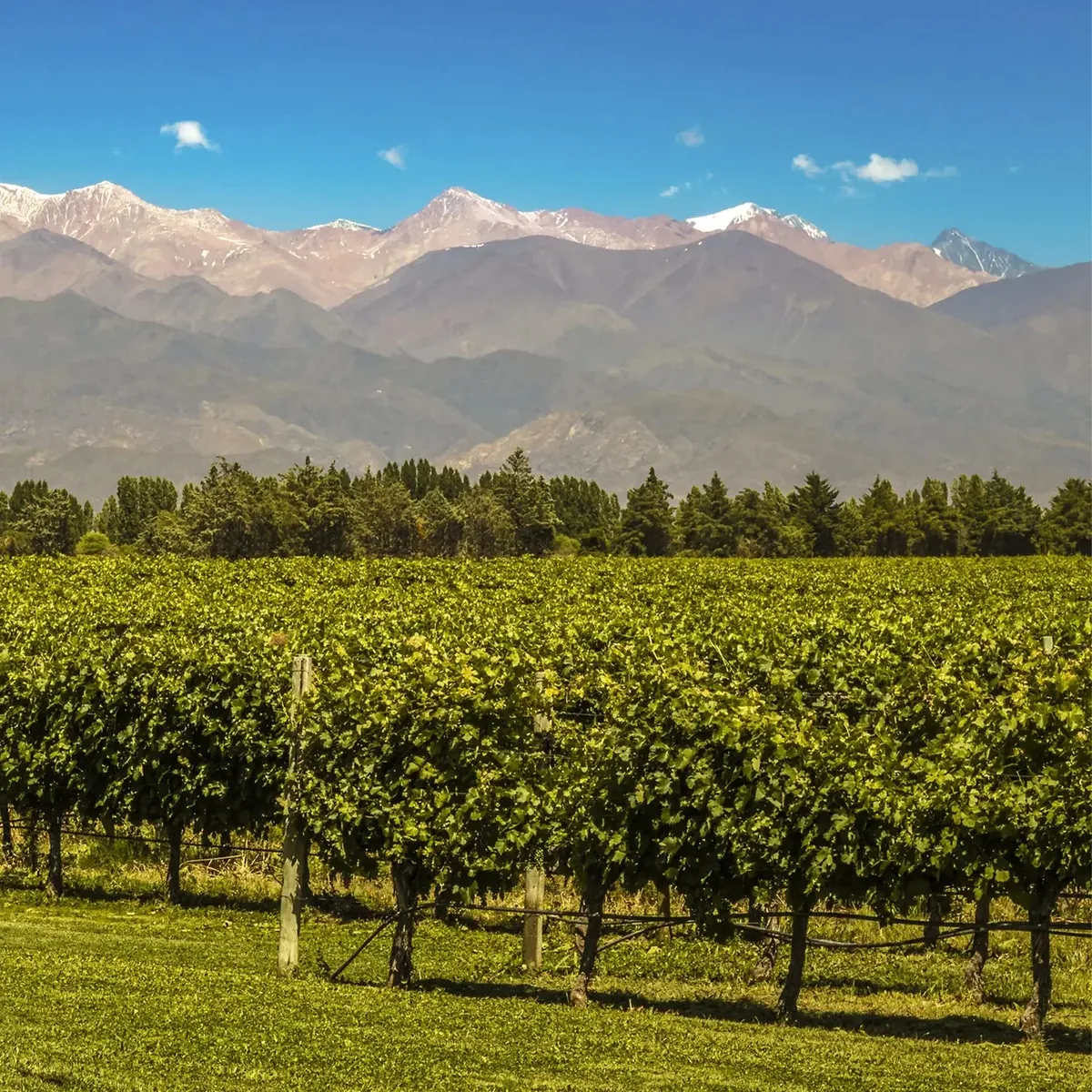
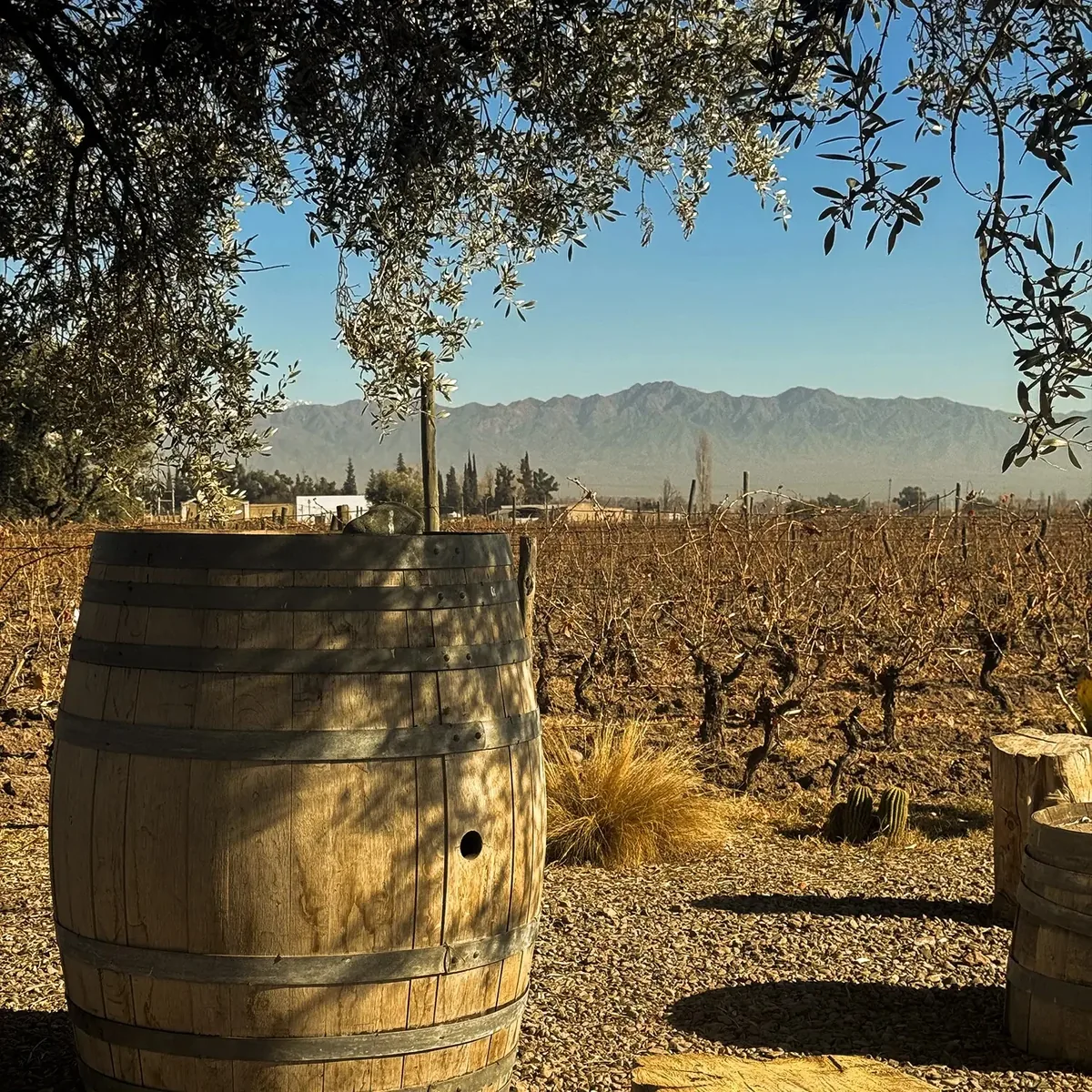
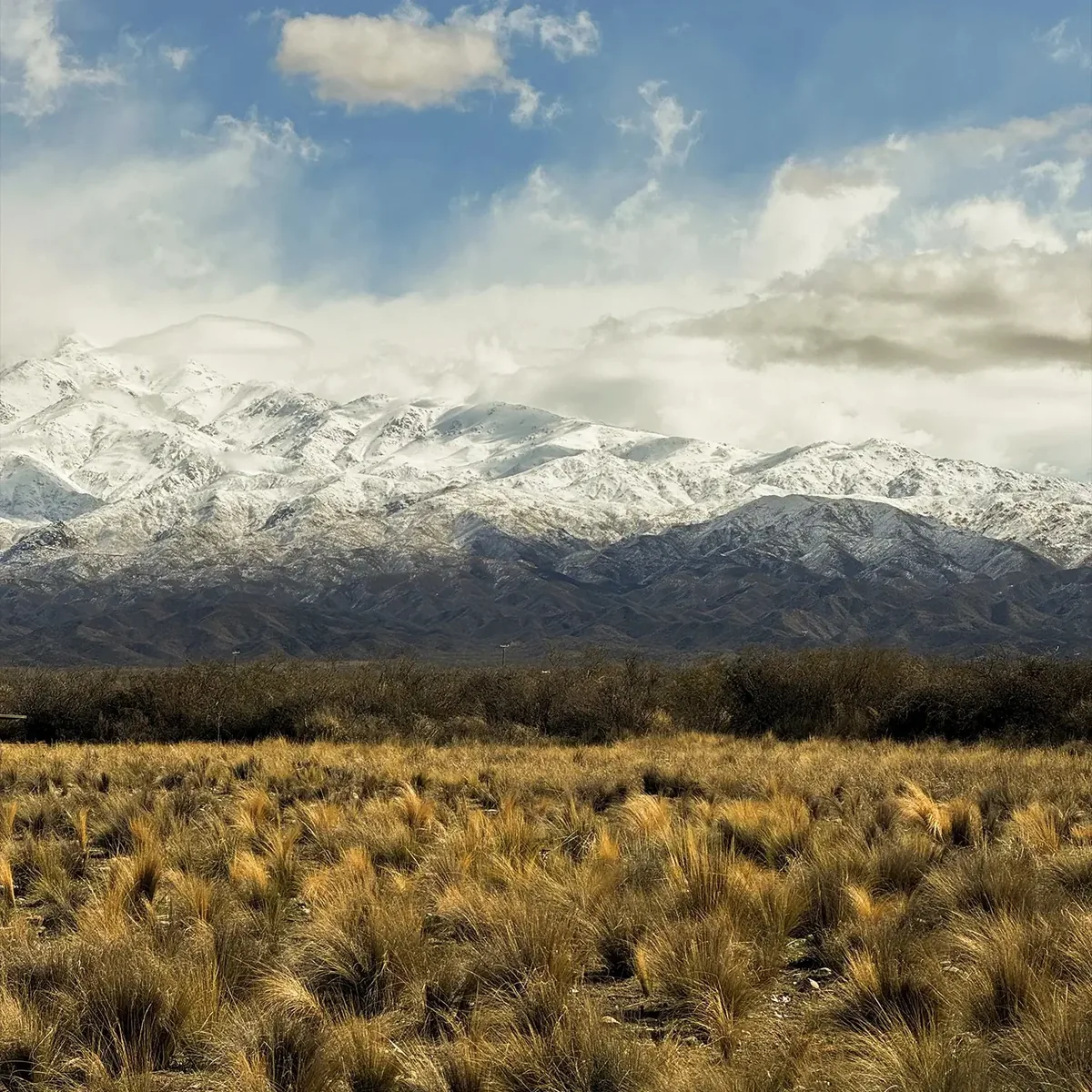
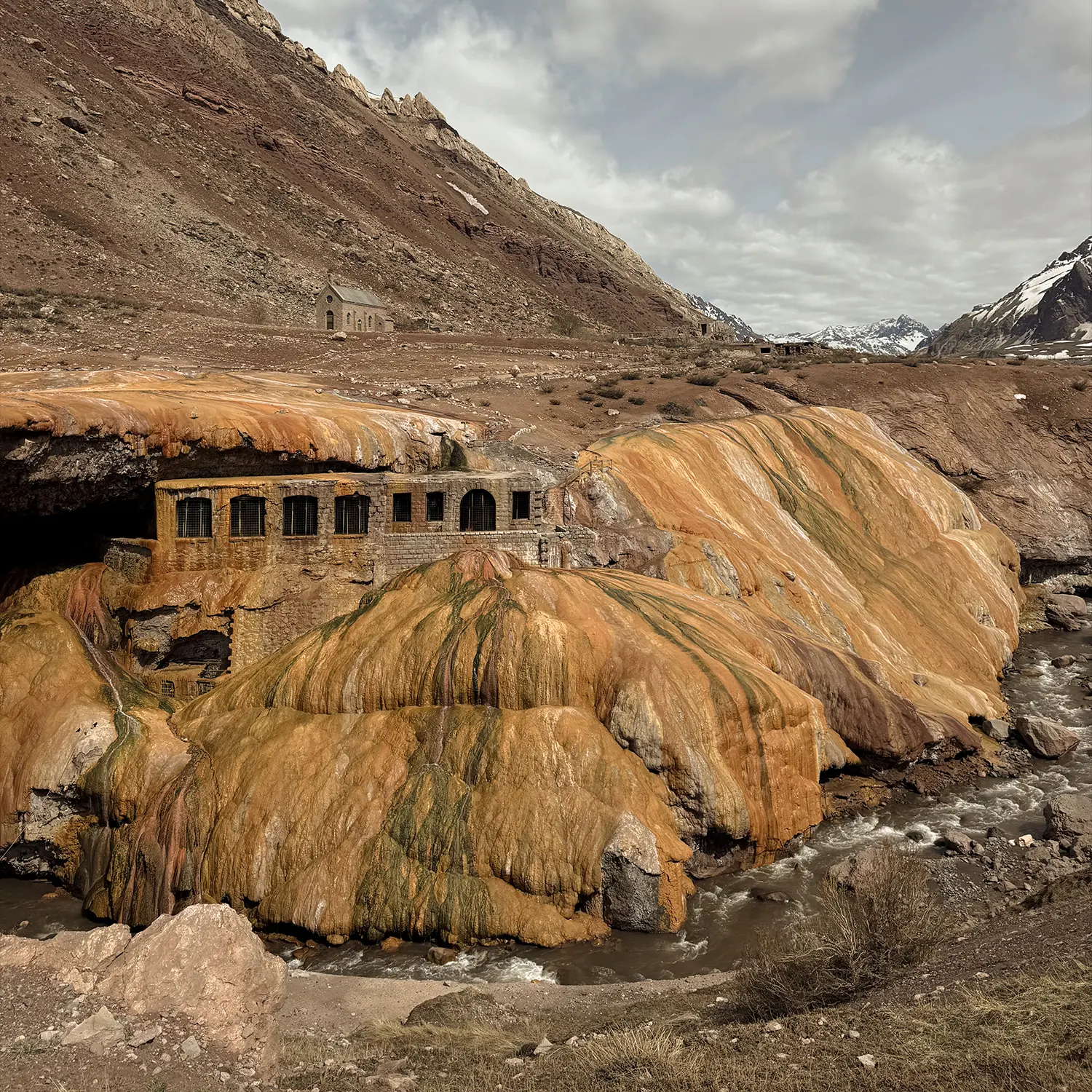
"The conversation about Mendoza wine has shifted. It's no longer about whether to visit — it's about which version of Mendoza you want to experience first." Every year, the Great Wine Capitals network awards the Best of Mendoza Wine Tourism, and the 2026 edition has produced one of the most interesting winner lists in the program's history.
Planning your visit? Discover our private wine tours in Mendoza — or explore our luxury wine tours in Mendoza.
For travelers planning a serious wine trip to Argentina, this list reads like a curated map. The award categories cover what actually matters to a discerning visitor: architecture and landscape, gastronomy, innovative experiences, sustainability, and the quiet excellence of small boutique producers. What follows is a guide to what these awards mean, who won, and how to translate them into a real itinerary.
What the Great Wine Capitals network actually is
Founded in 1999, the Great Wine Capitals network connects twelve of the world's most prestigious wine cities: Bordeaux, Bilbao–Rioja, Napa Valley, Adelaide, Cape Town, Hawke's Bay, Lausanne, Mainz, Porto, Verona, Valparaíso — and Mendoza. Each region holds its own annual awards, with Gold winners then competing in the international final. For 2026, that final ceremony will be held in Bordeaux in November.
Mendoza has hosted its local edition since 2005, and the program has grown into the most credible benchmark for wine tourism quality in the region. Unlike commercial rankings, the criteria here emphasize curation, ambition and contribution to the broader wine culture rather than visitor volume.
The 2026 categories and what they reveal
The eight categories of the Best of Mendoza Wine Tourism Awards each tell a different story about where the region is heading:
- Accommodation — the rise of small wine lodges as serious lodging destinations
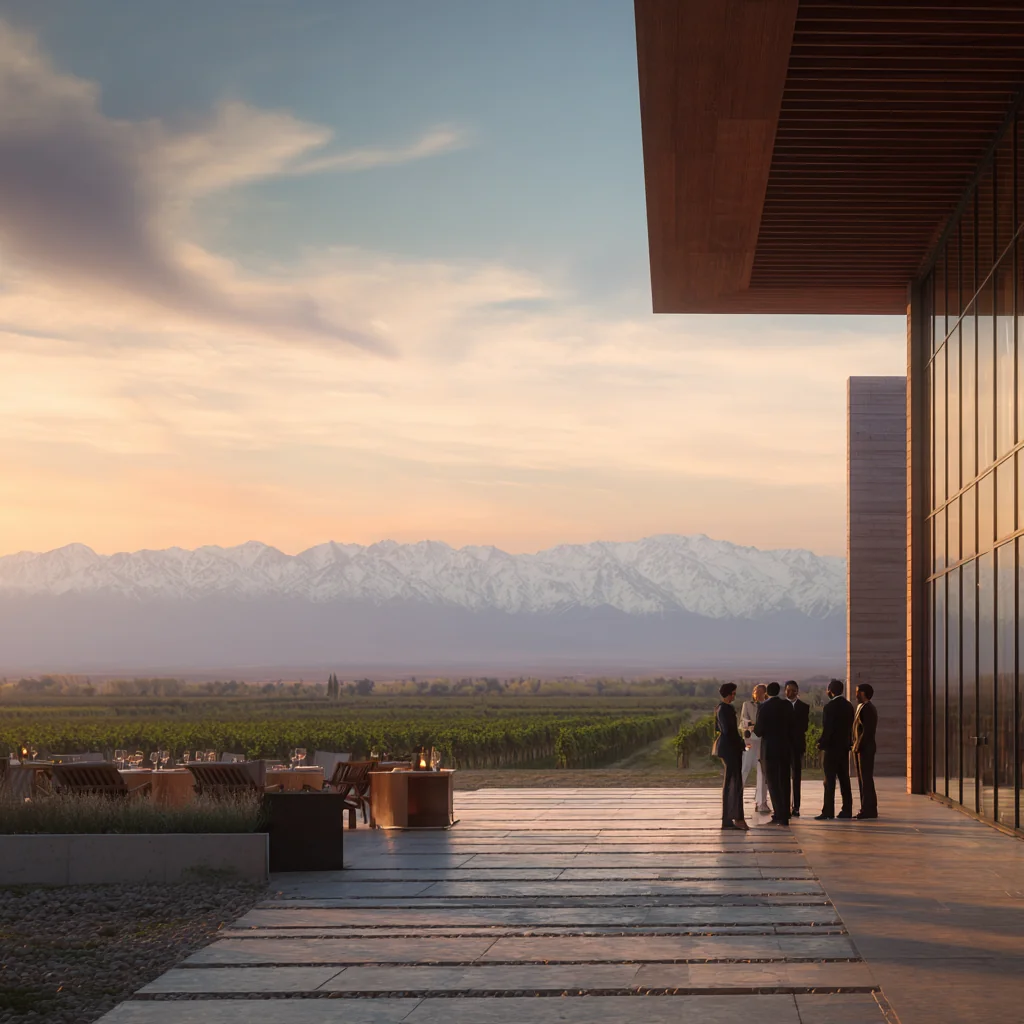
- Architecture & Landscape — the visual identity of contemporary Mendoza
- Art & Culture — how wineries are integrating literature, music and visual art
- Innovative Experiences — the most ambitious experiment-led offerings
- Sustainable Practices — organic, biodynamic and water-conscious estates
- Restaurants & Culinary Experiences — the bridge between food and wine
- Wine Tourism Services — the operators who design the experience around the wine
- Small Wineries — a local-only category for producers under a specific output threshold
Innovative Experiences: Trapiche's Estación 83
Trapiche made history in 2025 by taking the Global Gold in the international final with Estación 83, an immersive experience built around its restored Florentine-style winery. The project layers heritage architecture, contemporary tasting design and live storytelling about Mendoza's 19th-century rail era — when wine first traveled from Cuyo to Buenos Aires by train.
Trapiche has been part of Mendoza's wine history since 1883, and a visit there now functions as both a tasting and a cultural deep dive. For travelers interested in heritage wineries, we cover the full context in our guide to Bodega Trapiche.
The double-Gold story: Doña Paula
Doña Paula took home two Gold awards this year, a rare achievement that signals a winery operating at the top of multiple disciplines simultaneously. Located in Ugarteche, Luján de Cuyo, Doña Paula has built its identity around terroir-driven Malbec from carefully separated vineyard parcels. The double recognition reflects both the quality of the experience design and the underlying sustainability work in the vineyards.
Small Wineries: where the most interesting wine actually happens
The Small Wineries category exists because Mendoza's most ambitious winemaking is often happening at producers most travelers have never heard of. Estates with fewer than 100,000 bottles of annual production work with single vineyards, native yeasts, and concrete or amphora vessels. They're not in duty-free shops — they're tasted in small rooms with the winemaker present.
If this is the kind of Mendoza you're looking for, you'll find more context in our guide to luxury wine travel in Mendoza, which discusses the difference between scale and quality in this market.
How to build an itinerary around the 2026 winners
The instinct is to try to visit every winner. Resist it. Mendoza distances are real, and chasing a checklist is the fastest way to ruin a wine trip. Here's how we think about it:
One Gold winner per day, maximum
An award-winning experience is, almost by definition, designed to be enjoyed slowly. Estación 83 is not a 45-minute tasting — it's a layered visit that deserves at least three hours plus a paired lunch. Pair one ambitious estate with one smaller, complementary visit, and lunch will fill the day.
Match the award category to your interest
- If you care about food and wine integration: target the Restaurants & Culinary winners. Most are anchored in Luján de Cuyo or Uco Valley.
- If you care about architecture and visual experience: the Architecture & Landscape winners are concentrated in Uco Valley, where modern winery design has flourished.
- If you care about sustainability and biodynamics: look at Sustainable Practices winners, often in Gualtallary at higher elevations.
- If you want to meet winemakers personally: the Small Wineries category is your shortlist.
Don't skip the iconic estates
The award list rotates each year, but the foundational wineries of Mendoza — Catena Zapata, Zuccardi, Susana Balbo — are the reference points against which all others are measured. A first trip to Mendoza is incomplete without at least one of them.
What the award trends tell us about Mendoza in 2026
Reading across the winner list, three patterns emerge:
1. The shift from "winery visit" to "designed experience." The most awarded estates are the ones treating the tasting as part of a broader narrative — about land, history, family or craft. The transactional tasting is fading.
2. The rise of small. Five years ago, the most exciting wineries to visit were the largest. In 2026, the most rewarded experiences are often at estates producing fewer than 50,000 bottles, where the winemaker is in the room.
3. Food has become non-negotiable. The boundary between a winery visit and a winery lunch has collapsed. Many awarded estates now build the entire experience around a multi-course paired meal — not as an add-on, but as the centerpiece.
Frequently asked questions
Can I book the award-winning wineries directly?
Yes, most accept online reservations through their own websites or via WhatsApp. The challenge is timing: Gold winners book up months in advance during high season (October–April). If you're traveling during Vendimia (February–March), expect lead times of 8–10 weeks for the most requested experiences.
Is it worth designing a trip entirely around award winners?
It depends on your style. Some travelers find it inspiring; others find it limiting. Our recommendation is to anchor the trip around two or three winners that genuinely match your interest, and fill the gaps with carefully curated boutique producers your guide knows personally.
How long should I stay in Mendoza to do this properly?
To experience two or three award-level estates with the depth they deserve, plus one or two complementary boutique visits, plan for four full days minimum in wine country. Three days works for a focused trip; one week allows for a complete picture including Uco Valley and an Andes excursion.
Do I need to speak Spanish?
At the award-winning estates, no — all have English-speaking staff. At smaller boutique wineries the answer varies. This is one of the reasons a private tour with a bilingual guide tends to unlock significantly more from these visits.
The Best of Mendoza Wine Tourism Awards offer a credible map of where wine country is heading in 2026. They don't replace a thoughtful itinerary — they inform one. If you'd like us to design a trip around the wineries that genuinely match your taste, including the awarded estates and the boutique producers your guide knows personally, get in touch via WhatsApp and we'll build it from there.
More questions? Check our FAQ with 25 common questions about tours, prices, logistics, and Alta Montaña.
Visit the award-winning wineries with us
Personalized advice · Confirmed bookings · Premium experiences