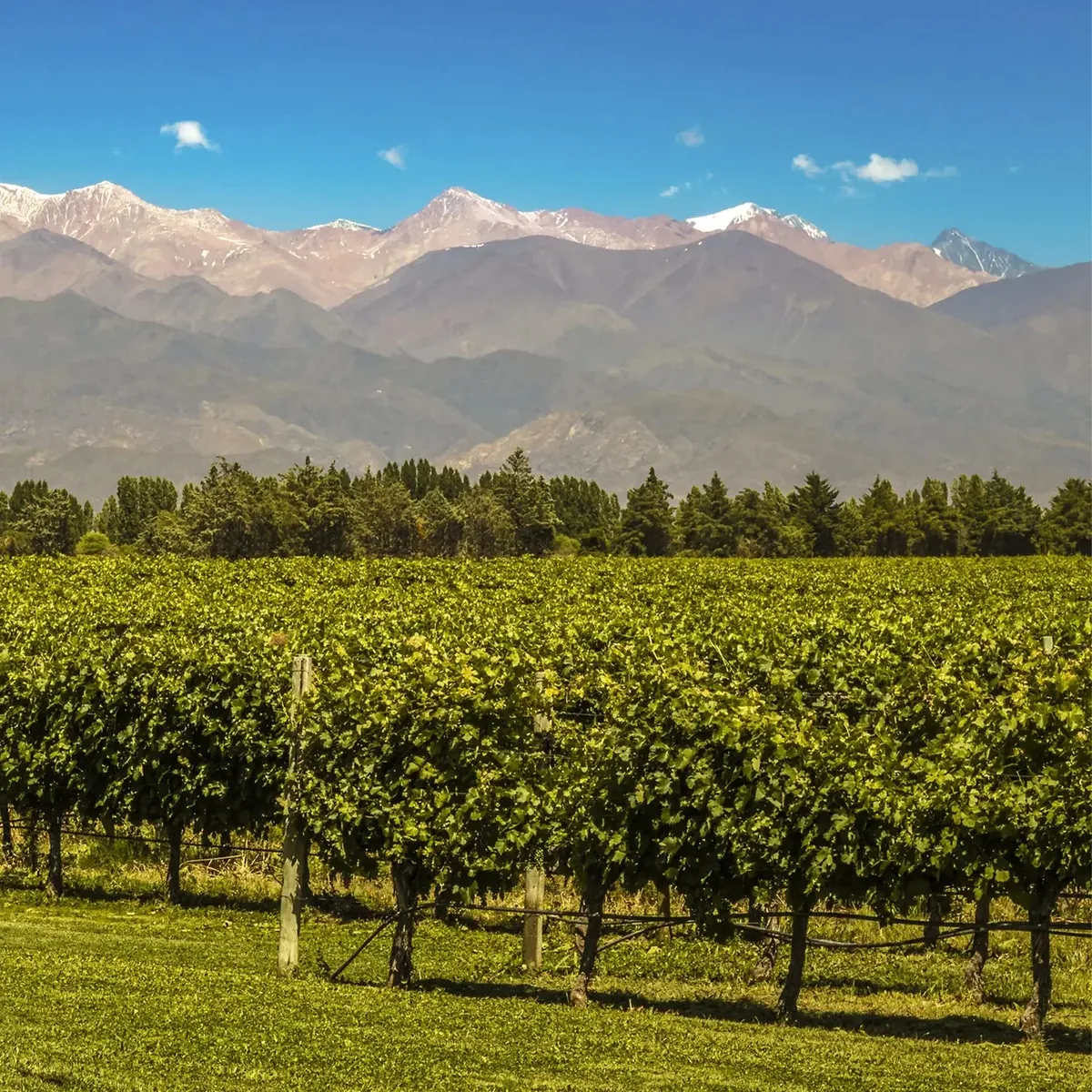
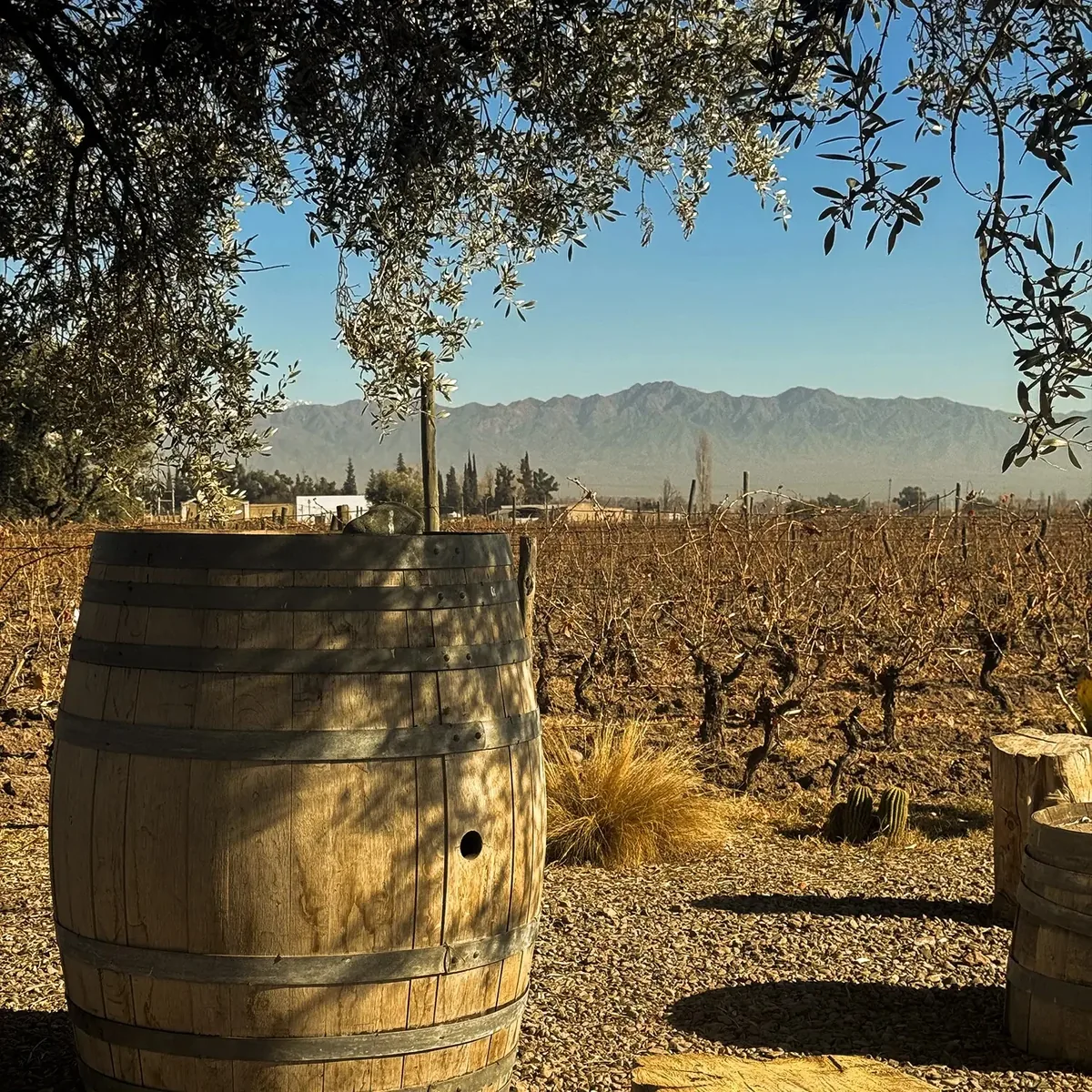

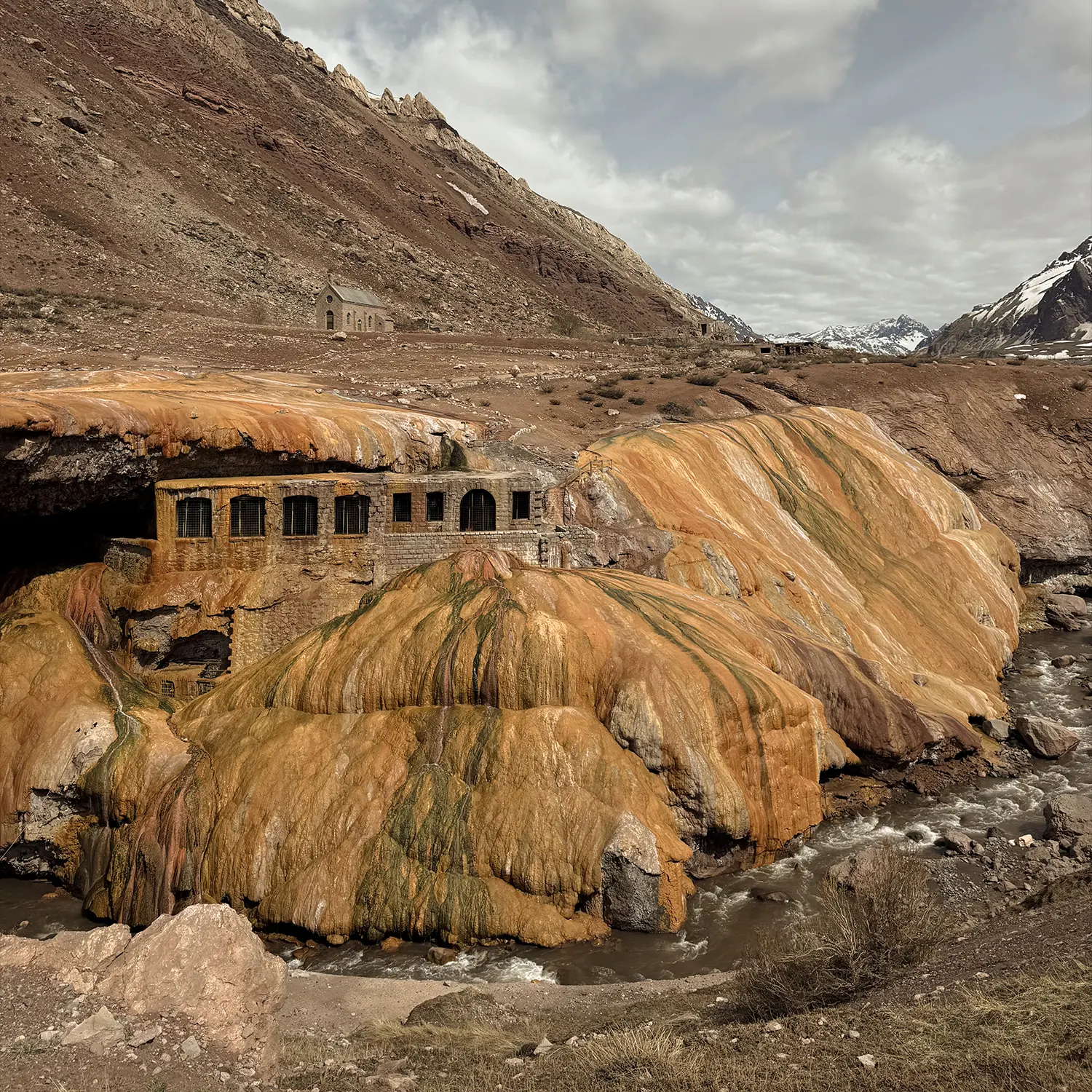



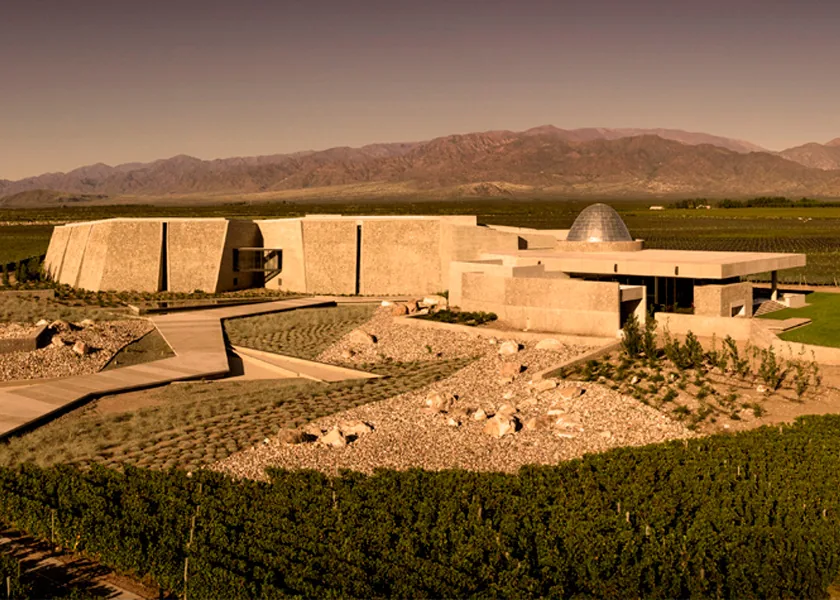
"It looks like the mountain decided to build itself a winery." That's the most common reaction visitors have on arriving at Zuccardi Valle de Uco. The rammed-earth walls, the stone, the long horizontal lines — the building was designed by Tom Hughes architects to disappear into the Cordillera behind it. It is, by World's Best Vineyards' count, the most awarded winery on earth in recent years.
Planning your visit? Discover our private wine tours in Mendoza — or explore our luxury wine tours in Mendoza.
But Zuccardi is not famous because of its architecture. It's famous because of what's in the bottle. This guide covers the family behind the winery, the soil-driven philosophy of Sebastián Zuccardi, what to taste when you visit, and why the trip to Paraje Altamira is worth the drive.
Three generations, one quiet revolution
The Zuccardi story begins in 1963, when Italian engineer Alberto Zuccardi developed a vineyard irrigation system in Maipú that allowed his family to plant their first commercial vines. His son José Alberto turned the operation into one of Argentina's most respected mid-sized estates, building a reputation for unconventional varietals and a strong commercial footprint.
The current chapter is led by Sebastián Zuccardi, the third generation, who took the family in a different direction. Where his predecessors built a successful winery in Maipú, Sebastián moved the soul of the operation south to Paraje Altamira in Uco Valley, betting on a more extreme, mineral-driven, terroir-focused expression of Malbec.
The Zuccardi Valle de Uco facility opened in 2016 and quickly became something more than a winery: a statement about what Argentine wine could be when stripped of imitation and built around its own materials and geology.
The building: rammed earth and stone
The architecture is the visit's first lesson. The building uses rammed earth, calcareous stone and concrete sourced directly from the surrounding terrain. The decision was philosophical: if the wines are about local terroir, the building should be about the same thing. The result is a structure that doesn't look like a winery so much as a quiet extension of the landscape.
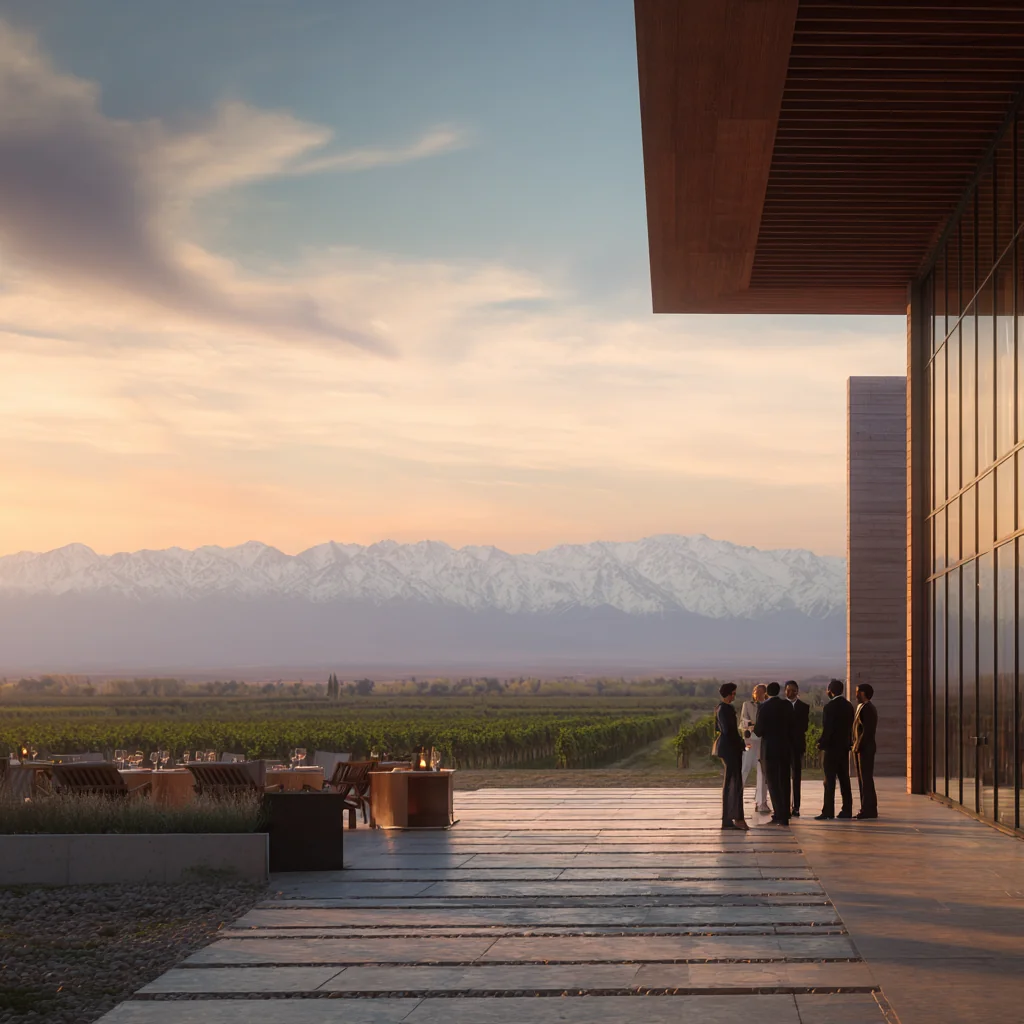
The visitor experience is designed around the same idea. You move from the rooftop view of the Cordillera, down through the production floor (visible from elevated walkways), into the concrete fermentation halls, and finally into a tasting room where the materials of the building itself frame the wines you're about to try.
The wines: Piedra Infinita and the geology of Malbec
Sebastián Zuccardi's project at Paraje Altamira is, in its essence, an argument that Argentine Malbec has been misunderstood. The conventional Malbec of the past two decades was rich, oaky, opulent. Zuccardi's Uco Valley wines are cooler, leaner, more textured — built around limestone soils and concrete fermentation rather than new French oak.
The premium line, Piedra Infinita, has become Argentina's most internationally awarded Malbec. The single-vineyard cuvées from this project — Piedra Infinita Gravascal, Púrpura, and the limited series — tell a story of soil more than of grape. Tasted alongside the entry-level Zuccardi Concreto and the Aluvional series, they offer one of the clearest geological tastings available in any wine region.
If you want a primer on the broader Uco Valley story, our private Uco Valley wine tour page covers the region's wines and terroir in depth.
The restaurant: Piedra Infinita Cocina
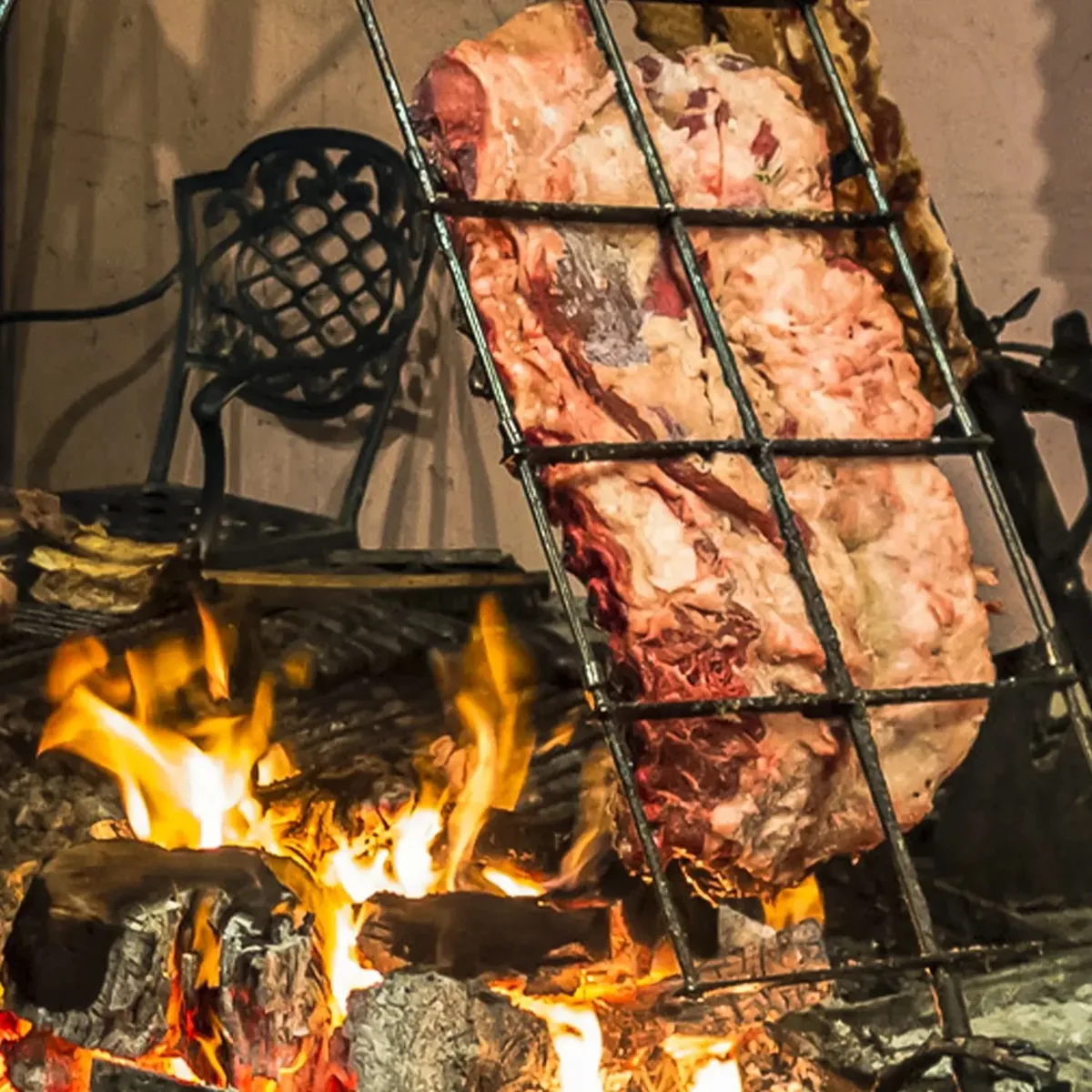
The estate's restaurant, Piedra Infinita Cocina, has become one of the most celebrated winery dining experiences in South America. Chef Julián Cervantes builds menus around what the region produces directly — local lamb, fresh-water fish, mountain vegetables, herbs from the property — and the wines are poured alongside courses designed to bring them out rather than dominate them.
The restaurant has earned international recognition consistently. Reservations are essential, and combining lunch here with the winery visit makes a complete half-day experience — perhaps the most rewarding lunch-and-tasting combination in Mendoza.
Practical visiting information
Where it is
Zuccardi Valle de Uco is located in Paraje Altamira, San Carlos department, in the southern part of Uco Valley. The drive from Mendoza city takes roughly 1 hour 45 minutes, and the final stretch winds through vineyards with Cordillera views.
This is a long day if combined with a second winery in Uco Valley. Most travelers who include Zuccardi treat it as the anchor of a full Uco Valley day, with one paired estate (a small boutique producer typically) and the meal at Piedra Infinita Cocina.
Booking
Like Catena, Zuccardi requires reservations made well in advance — ideally two to three months ahead for high season. The combined visit + lunch experience is the most requested format and books up first. The standard tasting alone has more availability but still requires booking.
Tasting tiers
Options range from a guided visit with classic tasting (75 minutes) through the premium tasting that includes Piedra Infinita single-vineyard wines and barrel samples. The premium experience is significantly more expensive but, for serious wine travelers, is the closest you can get to the project's most ambitious work.
What makes Zuccardi different
Many travelers visit both Zuccardi and Catena Zapata on the same trip and ask which one they should prioritize. The answer depends on what you're looking for:
- Catena Zapata represents the historical project that built modern Argentine wine — classical, textured, Bordeaux-influenced Malbec, established excellence.
- Zuccardi Valle de Uco represents where the conversation is going — cooler, mineral, terroir-driven wines built on a different vision of what Argentine Malbec can be.
The honest answer is that a serious wine traveler should visit both. They're not redundant — they're two complementary readings of Argentine wine, separated by a one-hour drive and a generation of thinking.
For more context on what makes these regions different, see our Mendoza wine route guide.
Frequently asked questions
Is Zuccardi too remote to be worth the drive?
The drive from Mendoza is genuinely long — roughly two hours each way. But the experience is dense enough that this isn't dead time on a thoughtfully designed itinerary. The mistake is trying to combine Zuccardi with Luján de Cuyo on the same day; the right approach is to dedicate the whole day to Uco Valley.
Are the Piedra Infinita wines available outside the winery?
Yes, but in very limited quantities. The single-vineyard expressions are produced in small lots and distributed selectively. Tasting them at the winery, with proper context from the team, is meaningfully different from tasting them blind from a bottle elsewhere.
Can I do Piedra Infinita Cocina without the winery tasting?
You can book the restaurant independently, yes, but the combined experience is what most visitors come for — the wines and the food are explicitly designed around each other.
What's the dress code?
Comfortable elegant casual. The restaurant skews more formal than the tasting room, but neither requires a jacket.
Zuccardi Valle de Uco is the kind of visit that shifts how a traveler thinks about Argentine wine. If you'd like us to design a private Uco Valley day with Zuccardi as the anchor — including transport, lunch reservations and a paired boutique winery selected for you — get in touch via WhatsApp and we'll set it up.
More questions? Check our FAQ with 25 common questions about tours, prices, logistics, and Alta Montaña.
Visit Zuccardi Valle de Uco with us
Personalized advice · Confirmed bookings · Premium experiences