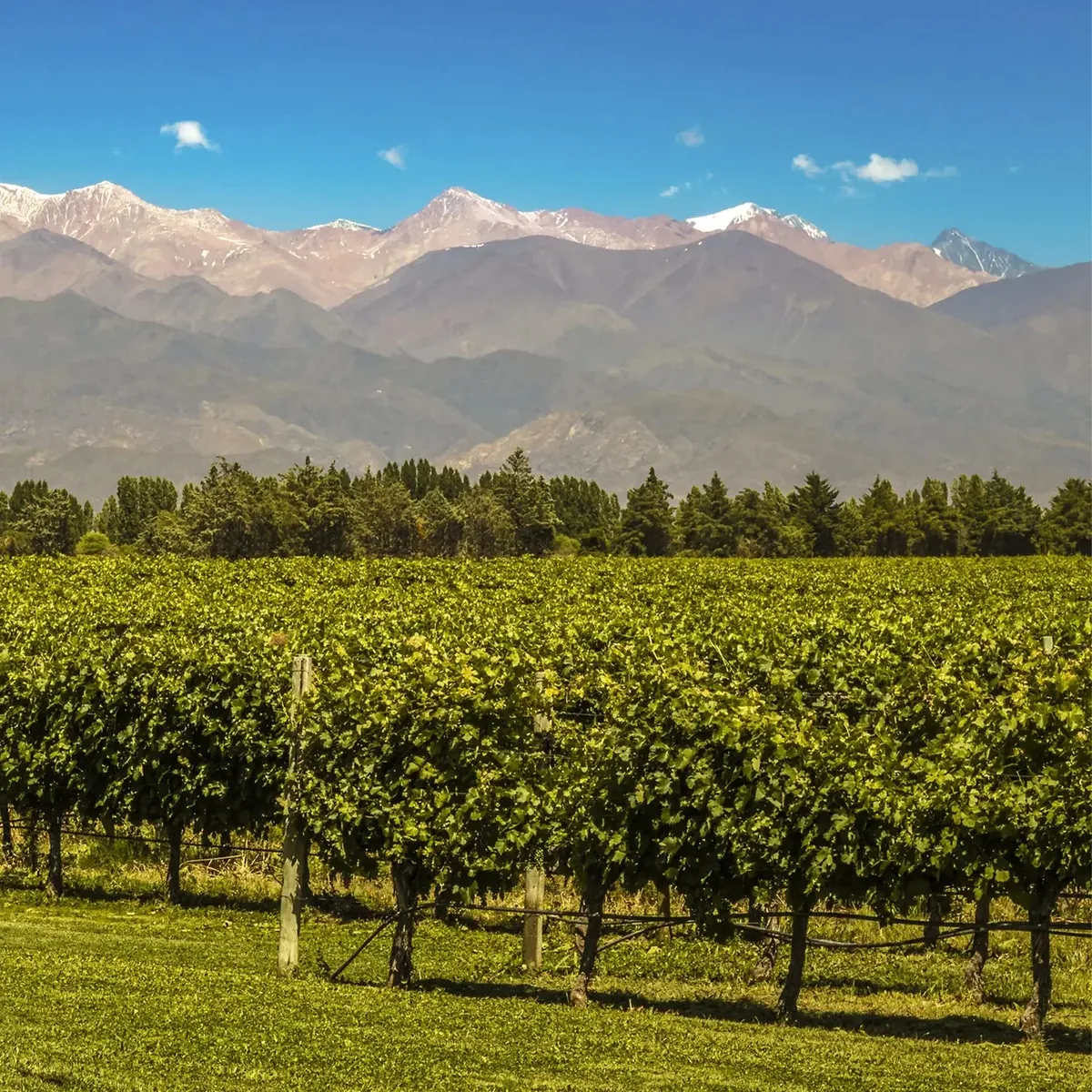
"Winter in Mendoza is a different country." Most travelers assume the high season — the long days of October through April — is the only sensible time to visit Argentine wine country. That assumption is wrong. From June through August, Mendoza enters a quieter, sharper, more contemplative version of itself. Snow on the Andes. Cold sun. Vineyards bare. Fewer visitors. And, for travelers willing to plan for it, one of the most rewarding times of year for a serious wine trip.
Planning your visit? Discover our private wine tours in Mendoza — or explore our luxury wine tours in Mendoza.
This guide explains what winter in Mendoza actually looks like, which wineries operate, and what's worth doing — including the things you can only do in winter.
What the season is like
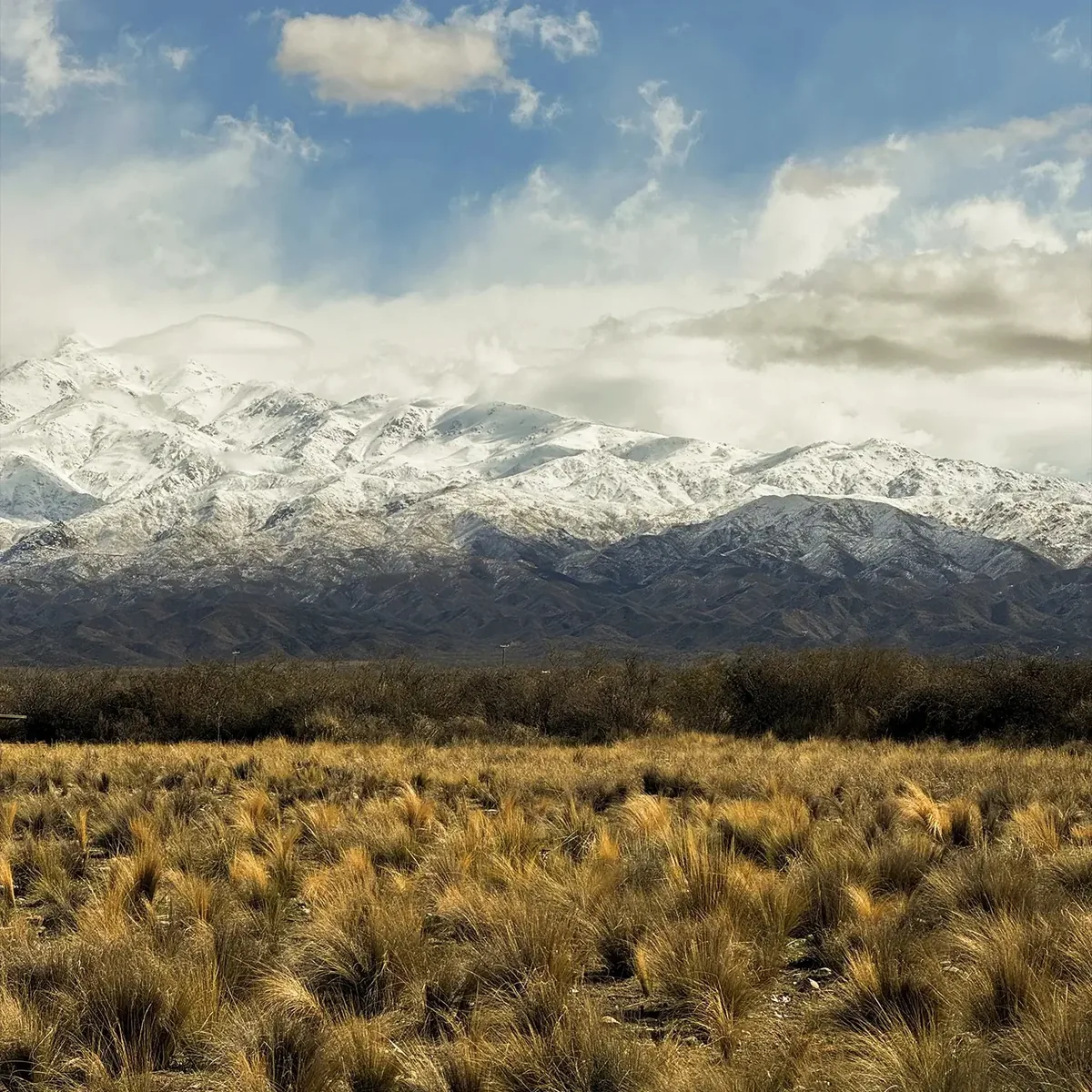
Mendoza winter runs from June through August (austral winter). Daytime temperatures average 12-16°C, with bright sun and low humidity. Nighttime temperatures drop to 0-5°C, sometimes lower. Snow is rare in the valley but consistent on the Cordillera, where the Aconcagua summit and the surrounding peaks carry serious winter cover.
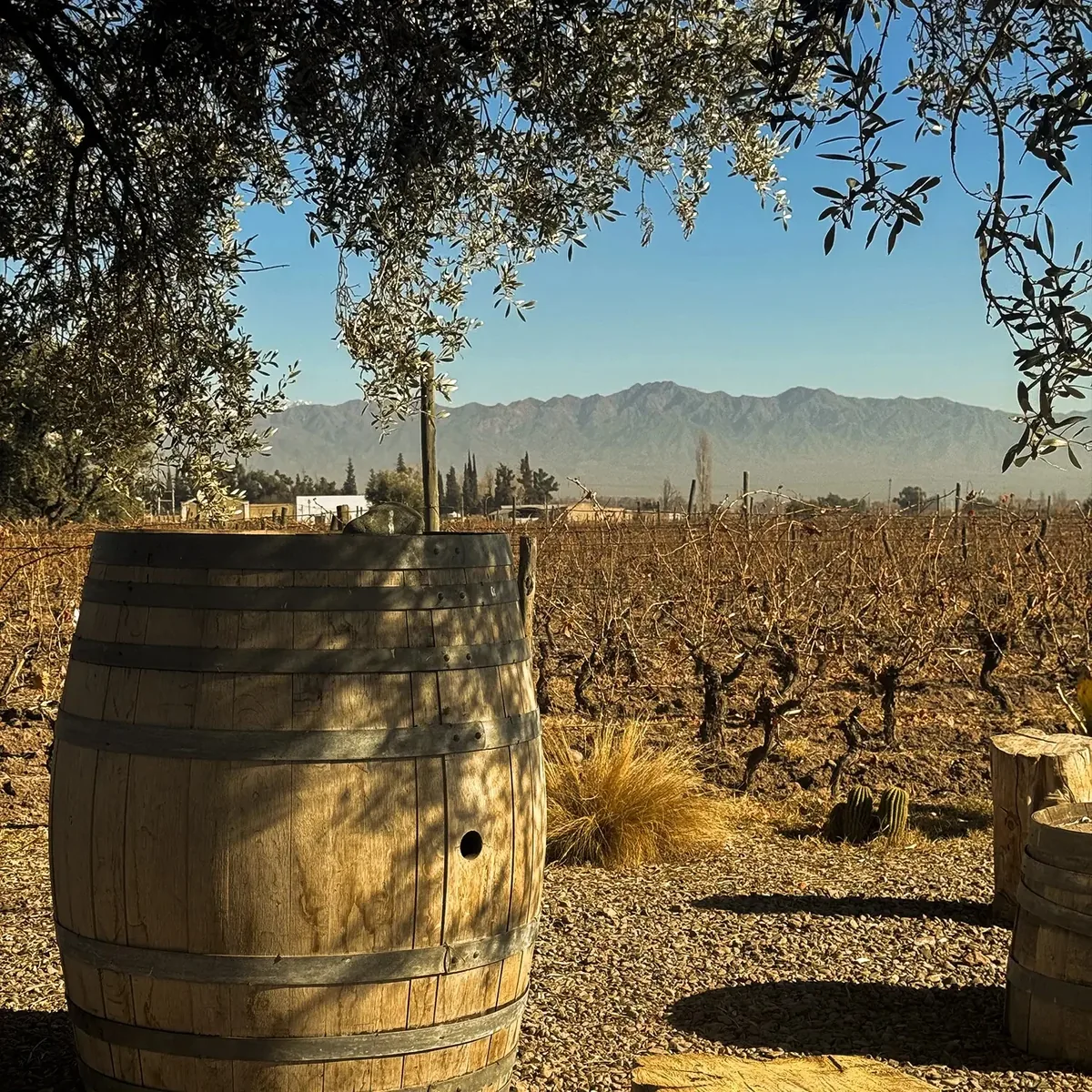
The vineyards are dormant. The vines are pruned back, dark against the soil, with the structure of the rows clearly visible. This is the season when you can see the bones of a winery rather than its lush summer expression. For travelers interested in viticulture as agriculture, it's genuinely more informative than visiting in green-leaf season.
Which wineries operate
Most premium wineries operate year-round, but the rhythm changes:
- Flagship estates (Catena, Zuccardi, Susana Balbo, Trapiche) maintain full visiting hours but with reduced daily capacity and more flexible booking
- Boutique producers often run reduced hours, sometimes weekend-only. The advantage is that with the winemaker on a slower schedule, the visits can be longer and more conversational
- Restaurants at wineries generally remain open but with seasonal menu adjustments — lamb stews, slow-cooked dishes, fewer raw or cold preparations
The booking dynamics shift entirely. Premium experiences that book up 2-3 months in advance during high season are often available with 2-3 weeks of notice in winter. This is a genuine advantage for travelers who plan late.
Why the wines taste different in winter
This is the part most travelers don't consider. In summer, tasting rooms are warm and the wines are often served slightly above ideal temperature. In winter, the cellar conditions match what serious red wines actually want: 14-16°C, served in cool rooms, sometimes with a fireplace nearby. The wines show their structure more clearly. Reds reveal their tannic architecture without the heat-driven softening that summer tastings sometimes produce.
This is particularly notable for the more structured wines — the high-altitude Uco Valley wines, the Cabernet Francs, the serious aged Malbecs. Tasting them in winter conditions is, arguably, the right way to taste them.
The Andes context
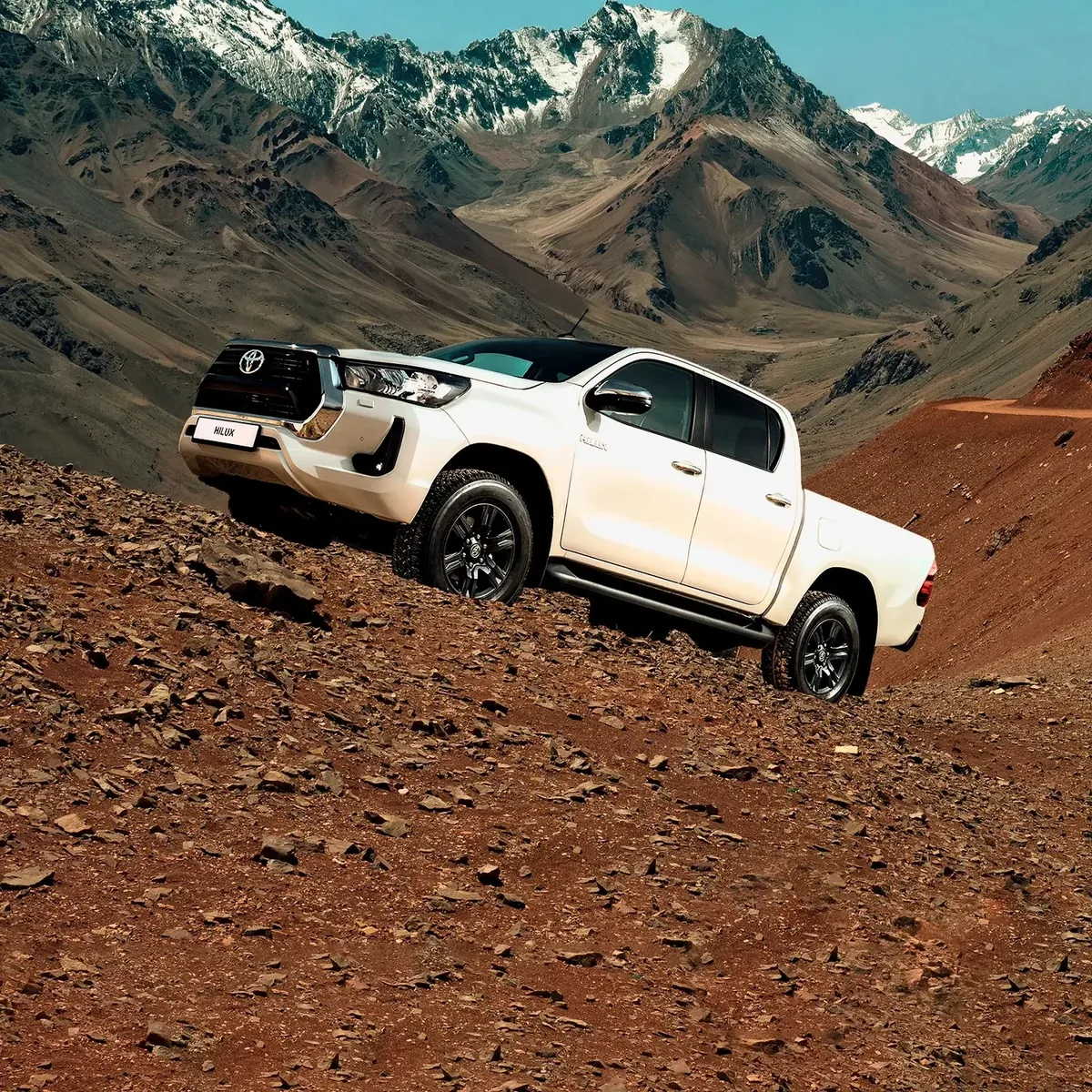
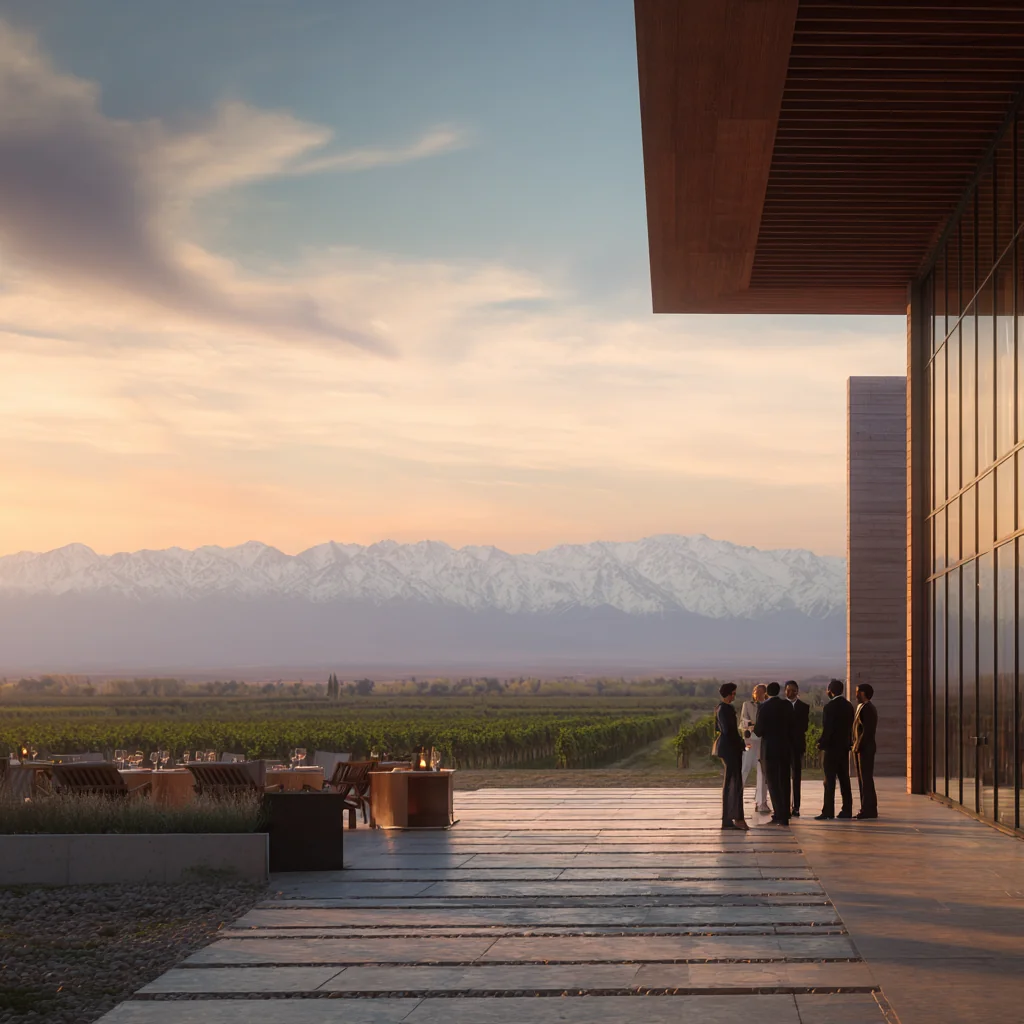
The visual experience of Mendoza in winter is, for many travelers, the strongest argument for the season. The Cordillera is at its most dramatic. The snow line drops to around 2,500 metres, meaning that everything you see from the valley is white. Aconcagua, visible from many of the Uco Valley wineries, becomes a properly imposing presence rather than the distant blue mountain it appears in summer.
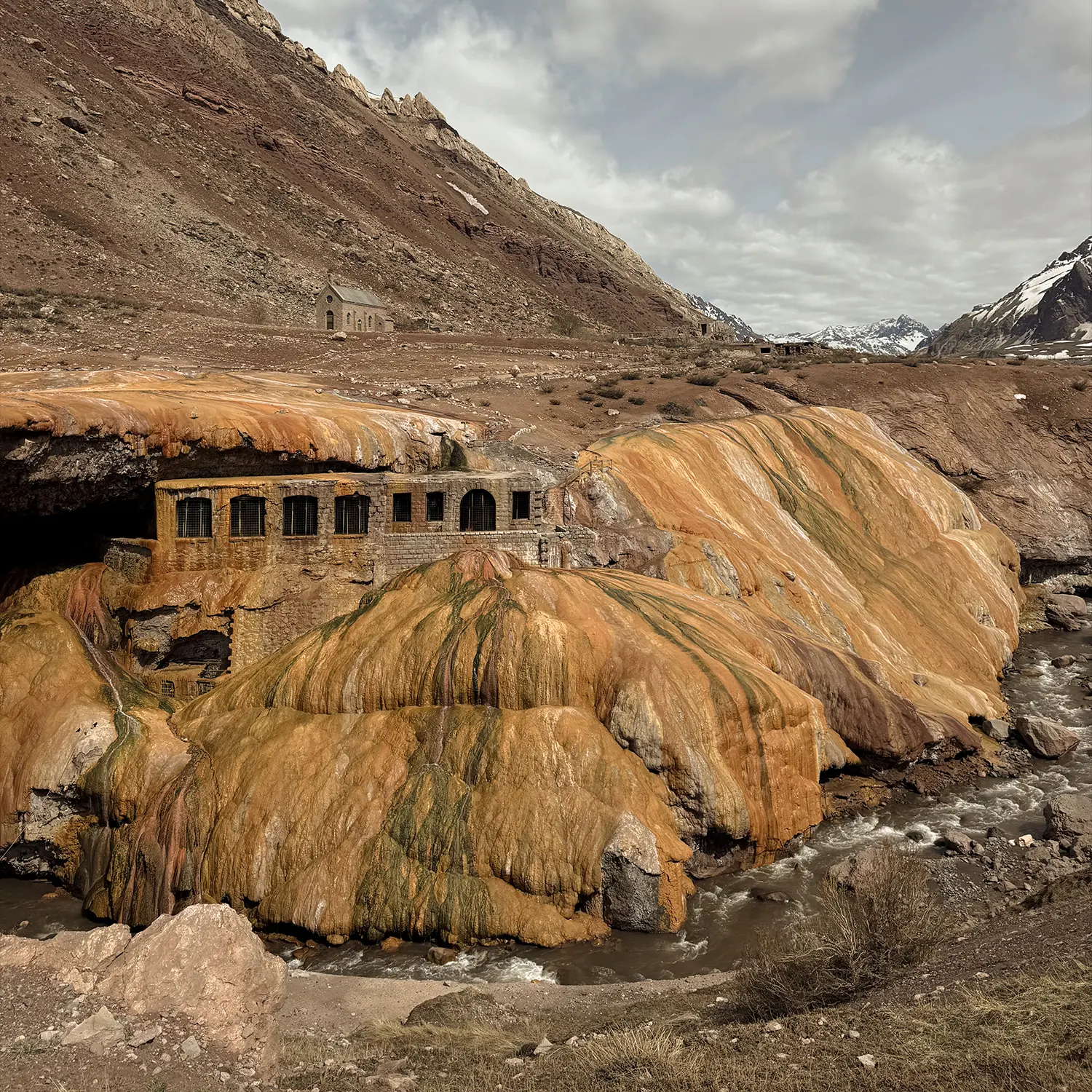
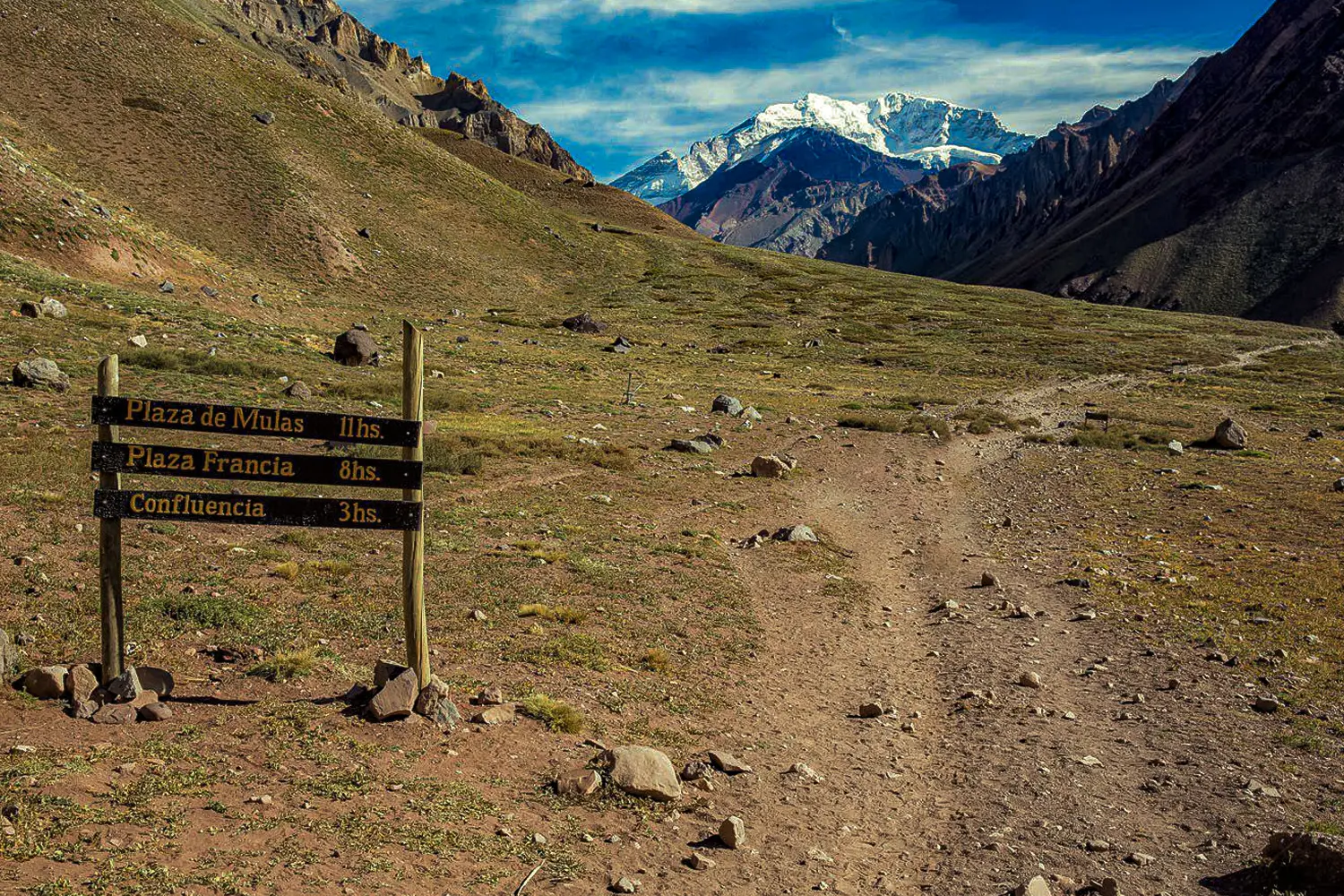
Our High Mountain tour runs year-round and is, if anything, more striking in winter than in summer. The road to Puente del Inca remains open in most weeks (occasional closures for storms), and the contrast between the bright winter sun and the snow-covered peaks is the kind of landscape moment most travelers don't expect.
For travelers combining wine with skiing, Las Leñas in southern Mendoza province operates from late June through October. It's not Aspen, but it's a credible ski destination, and the combination of a winter wine day in the valley with a ski day in the mountains is one of the more distinctive Mendoza experiences possible.
What to do that you can't do in summer
Fireplace tastings
Several boutique wineries set up fireplace-anchored tasting experiences specifically for the winter months. The format is slower and more intimate than the standard summer tasting — longer pours, more conversation, often with a small charcuterie or cheese accompaniment. These don't run in summer.
Winter cuisine pairings
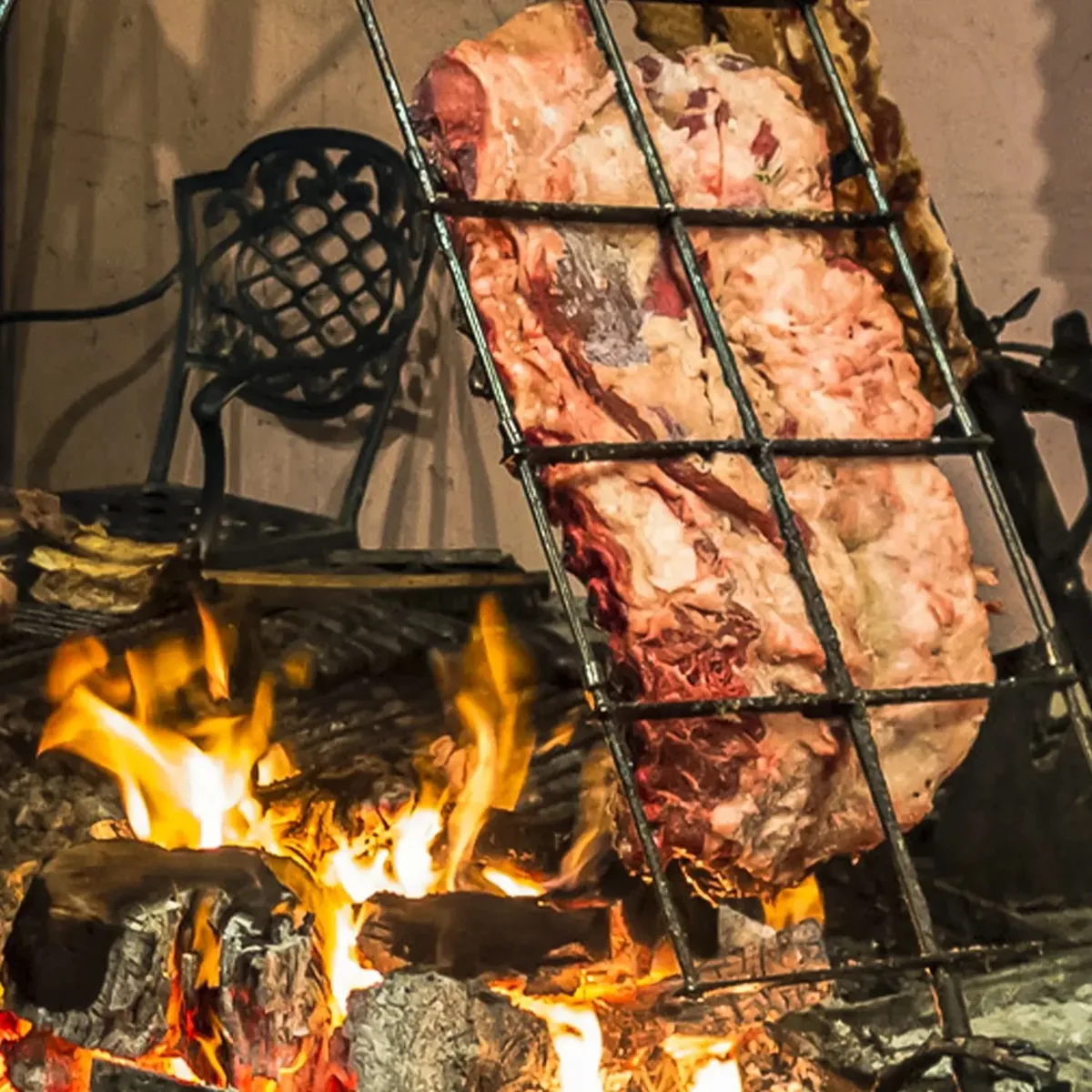
The Mendoza winter menu lands differently than the summer one. Locro (the slow-cooked national stew), cazuelas, slow-braised lamb, root vegetables, mountain trout. These dishes pair with serious red wines in a way that the summer salads and grilled meats sometimes don't. Several winery restaurants design specific winter menus around this.
Vendimia preparation visits
In late winter (August), wineries are preparing for the upcoming Vendimia. Pruning is finishing, equipment is being checked, the new vintage's first decisions are being made. Visits during this period often include conversations about the upcoming harvest that aren't available later in the year.
What to be ready for
Cold mornings
Bring layers. The mornings can be genuinely cold, especially at altitude in Uco Valley. By midday the sun warms things up significantly, but evenings drop quickly. A serious winter jacket is appropriate.
Earlier sunset
Sunset in winter is around 6:00-6:30 PM. Plan the day accordingly — winery visits should wrap by 5:00 PM to avoid driving back in the dark.
Mountain road closures
The Route 7 corridor (toward Chile) occasionally closes for snow. Build flexibility into mountain excursions in case of weather. This is a known logistical reality and your private guide will handle it.
Reduced restaurant hours
Some restaurants reduce their winter hours. Reservations remain important but with more flexibility than in high season.
Who winter Mendoza is best for
Winter is the right season for:
- Travelers who prefer fewer crowds and more conversational visits
- Wine enthusiasts who want to taste structured reds in the right conditions
- Photographers and landscape-oriented visitors
- Travelers combining Mendoza with skiing
- Anyone who wants premium experiences without 2-month booking lead times
Winter is probably not the right season for:
- First-time visitors who want the full summer-vineyard experience
- Travelers focused exclusively on outdoor and adventure activities (some are reduced)
- Visitors prioritizing rosé and white wine experiences (the winter rotation favours reds)
Frequently asked questions
Is it too cold for wine tasting?
No. The tasting rooms are heated and the wines are served at proper temperatures. The cold is outdoor, not indoor.
Are flights to Mendoza affected by winter?
Mendoza airport occasionally closes for snow but this is rare. Most winter days are clear and bright. Flights from Buenos Aires and Santiago run normally in almost all winter weeks.
Do prices drop in winter?
Yes, modestly. Accommodation rates are typically 15-30% lower than high season. Restaurant and winery prices remain the same. The value proposition is mostly in the availability and the lower booking lead times rather than dramatic price differences.
Can I combine wine with skiing?
Yes. Las Leñas is about 4 hours from Mendoza city, which makes a wine-and-ski combination possible. The logistics need care but the experience is distinctive.
Winter is the Mendoza most travelers never see, and the one most serious wine enthusiasts end up preferring. If you'd like us to design a private winter trip, including fireplace tastings, snow-capped Andes views and the slow-paced winter winery experience, get in touch via WhatsApp.
More questions? Check our FAQ with 25 common questions about tours, prices, logistics, and Alta Montaña.
Plan your winter Mendoza wine trip with us
Personalized advice · Confirmed bookings · Premium experiences