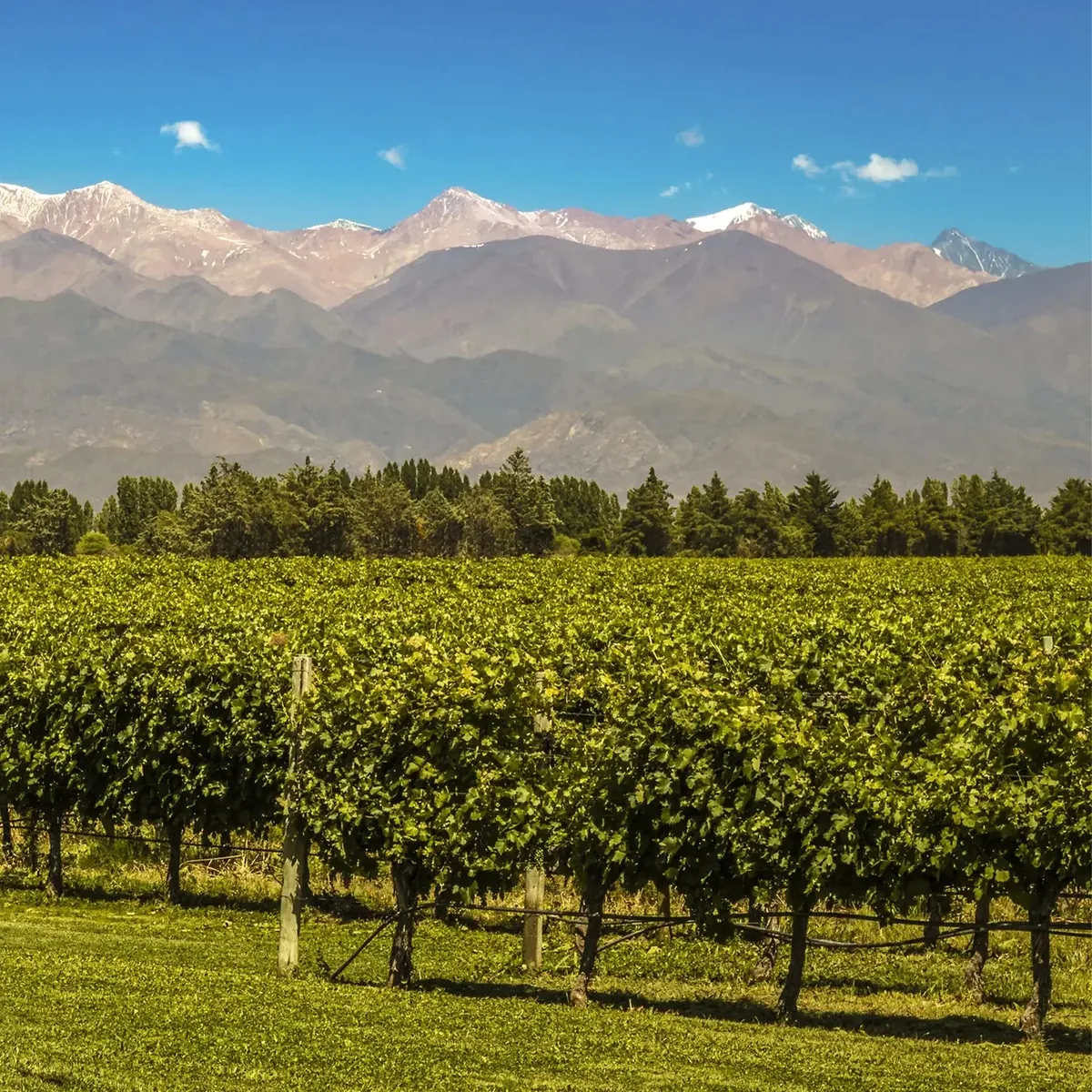
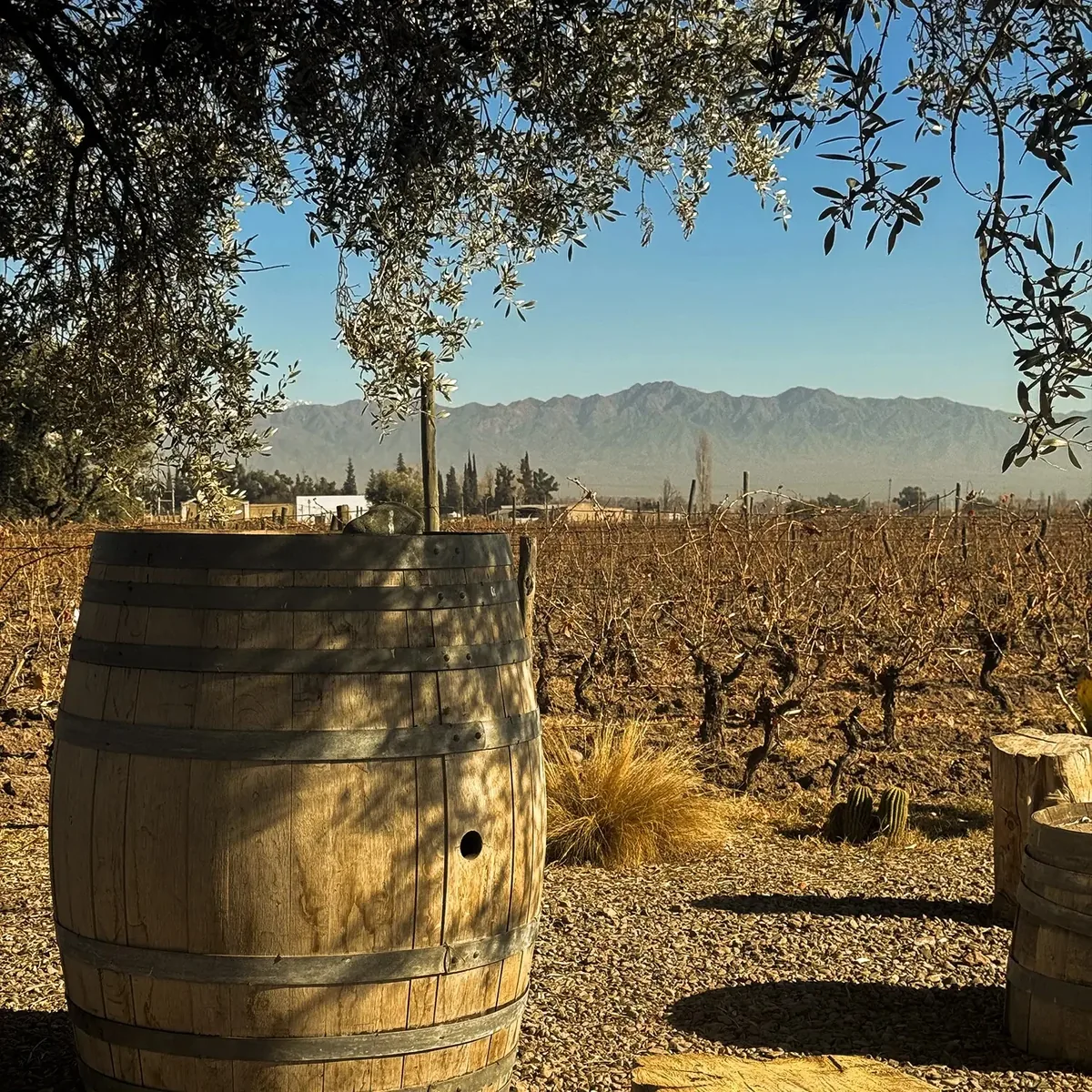



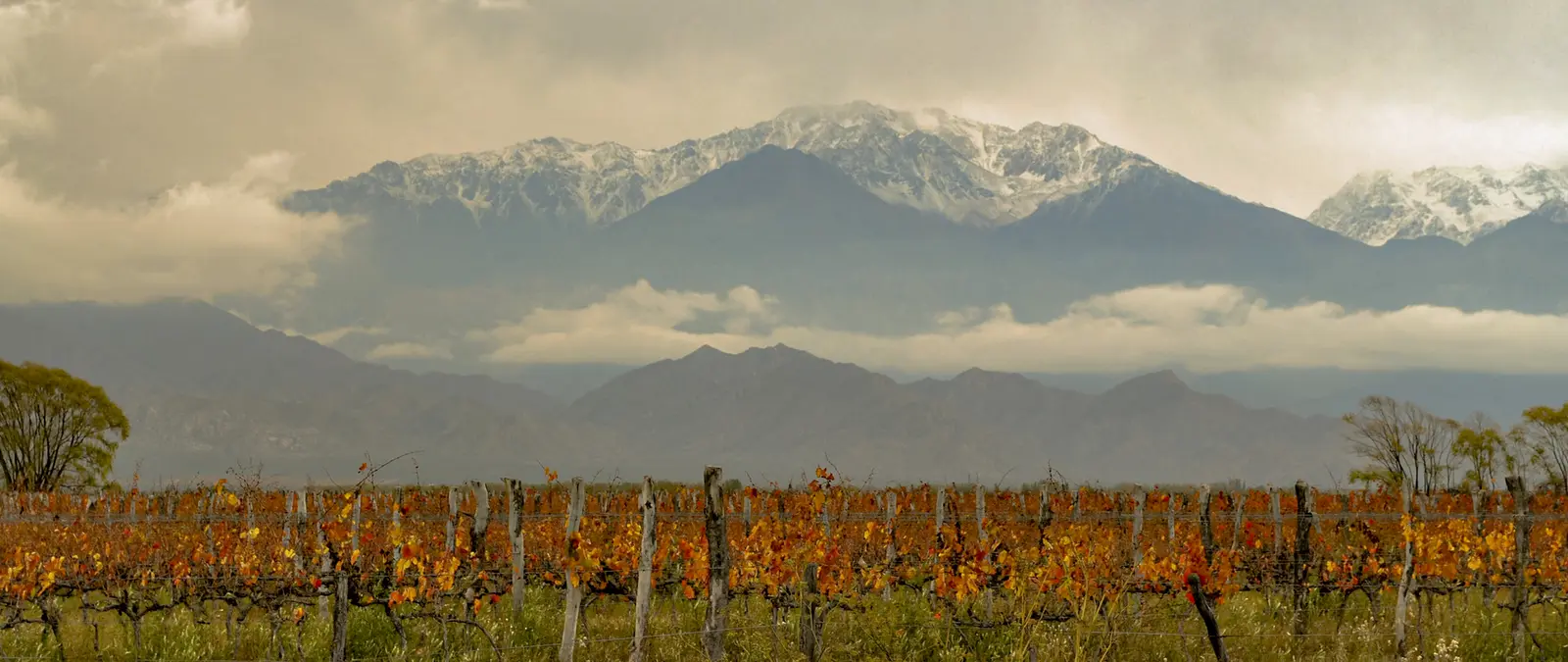
"At 1,500 metres, the wine simply tells you it is something else." The high-altitude vineyards of Mendoza's Uco Valley produce some of the most distinctive wines in the New World — cooler, more aromatic, more mineral, more structured than what most of the wine-drinking world associates with Argentine Malbec. For serious wine travelers, the Uco Valley is no longer a side trip from Luján de Cuyo. It's the destination.
Planning your visit? Discover our private wine tours in Mendoza — or explore our luxury wine tours in Mendoza.
This guide explains what altitude actually does to wine, why Uco Valley's specific elevation band became so important, and how to design a tasting day that captures the region's character.
What altitude actually does to wine
Three factors change as elevation increases in Mendoza:
- Temperature swings widen. Cold nights at altitude preserve acidity in the grapes; warm days drive phenolic ripening. The result is wines that combine ripeness and freshness in a way that few low-altitude regions can match.
- Sun intensity increases. UV exposure rises with altitude. The grapes respond by producing thicker skins with more polyphenols, leading to deeper colour, more structured tannins and more aromatic complexity.
- Atmospheric pressure drops. This is the lesser-discussed factor, but it influences photosynthesis efficiency and the rate at which the vine accumulates sugar relative to acid.
The combined effect: wines that retain freshness, develop structure, and carry aromatic complexity that warmer-climate vineyards struggle to produce. This is not theoretical — the difference is obvious in a side-by-side tasting between a 700m Luján Malbec and a 1,400m Gualtallary Malbec from the same producer.
The Uco Valley sub-regions
"Uco Valley" is shorthand for a large area south of Mendoza city. The sub-regions within it have different elevations, soils and characters:
Tupungato (Gualtallary)
Northern Uco, at the foot of the Tupungato volcano. Gualtallary is the most discussed wine sub-region in Argentina right now, with vineyards from 1,200 to 1,600 metres. Limestone soils combined with high altitude produce wines with strong mineral character and notable freshness. Wineries leading the conversation here include the Catena Adrianna Vineyard project, Domaine Bousquet, and several boutique producers.
San Carlos (Paraje Altamira, La Consulta)
Southern Uco, at slightly lower altitude (1,000-1,300 metres) but with even more pronounced limestone influence in some parcels. Paraje Altamira is the geographic indication that includes some of the most acclaimed vineyards in Argentina, and is the home of Zuccardi Valle de Uco and many smaller boutique estates.
Tunuyán (Vista Flores, Los Chacayes)
Central Uco. The newest of the three to gain serious attention, with vineyards from 1,100 to 1,500 metres. Producers here include several biodynamic and organic estates building reputations in the past five years.
What to taste
Malbec, but a different Malbec
The Malbec coming out of Uco Valley at high altitude is structurally different from what most people associate with the variety. Less plush, more lean. More herbal-floral than fruit-forward. Built around acidity and tannic structure rather than extraction and oak. Tasting Uco Malbec alongside Luján Malbec from the same producer is one of the most useful comparisons available in Argentine wine.
Cabernet Franc
The Uco Valley sub-regions, especially Gualtallary and Paraje Altamira, have become the reference for Argentine Cabernet Franc. The limestone influence and high-altitude freshness suit the grape particularly well.
Chardonnay
Under-discussed but quietly excellent. Uco Valley Chardonnay, particularly from the higher-altitude limestone sites, has more in common with serious Burgundian Chardonnay than with the New World tropical-fruit style. Worth seeking out at any visit.
Cabernet Sauvignon and Bordeaux blends
The combination of altitude and aridity has produced some of Argentina's most structured Cabernet Sauvignon-based blends. Less talked about than Malbec, often equally serious.
Designing the Uco Valley day
Don't try to do too much
The drive from Mendoza city to Paraje Altamira is roughly 1h45. Returning the same day is a full half-day of driving. Plan for two visits maximum, with lunch at one of them. Three is theoretically possible and almost always a mistake.
Pick one sub-region per day
Trying to combine Gualtallary in the north with Paraje Altamira in the south is a long day — they're 50 minutes apart. If you have multiple days, spend one on each sub-region. If you have one day, pick the sub-region that matches your wine interest.
Anchor with one ambitious estate
The most rewarding Uco Valley days have one major visit (Zuccardi, Catena Adrianna, Domaine Bousquet) paired with one smaller, complementary boutique producer. The contrast is the lesson.
Our private Uco Valley wine tour page covers the typical structure.
The mountain context
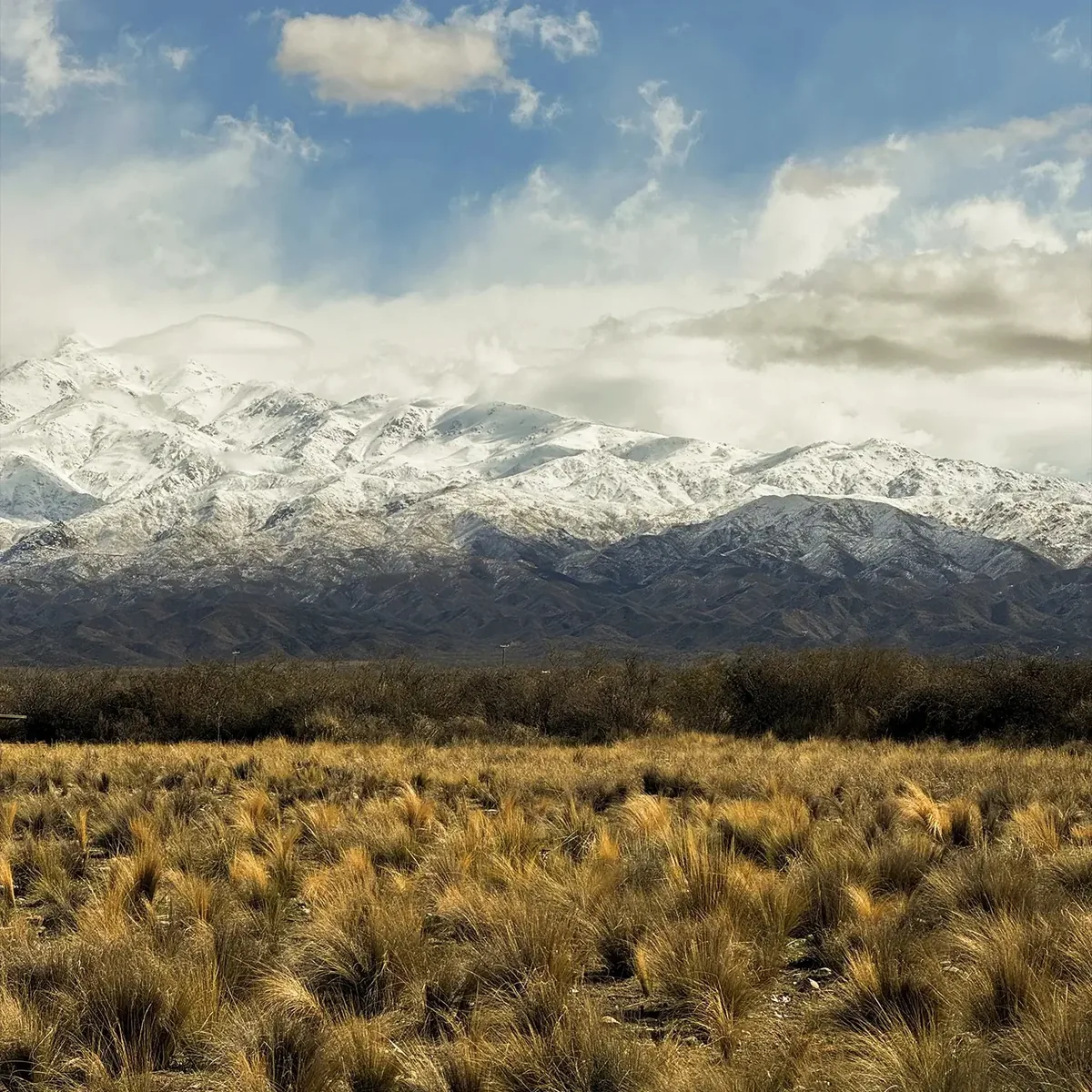
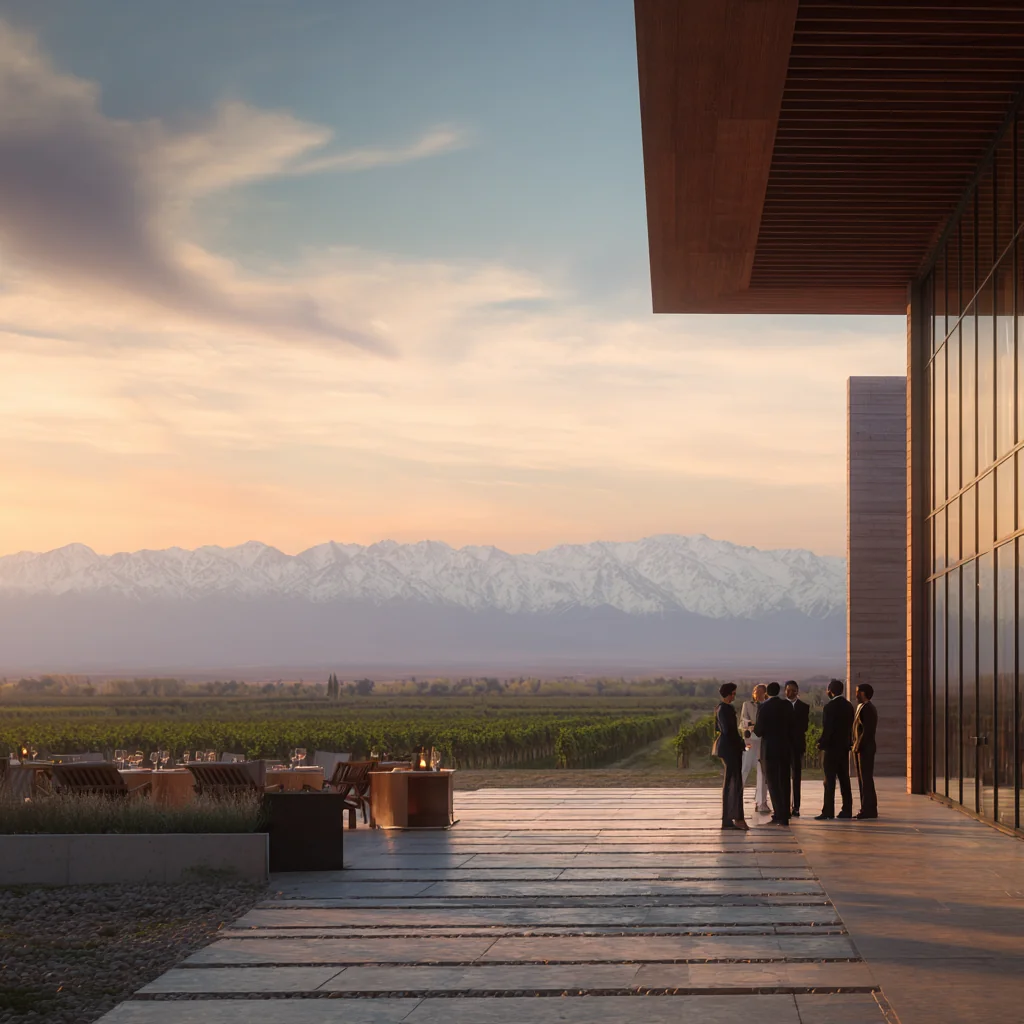
Uco Valley sits directly beneath the highest peaks of the Andes — Tupungato volcano dominates the northern view, the main Cordillera the western horizon. On clear days the visual impact is significant. Travelers who care about landscape as part of the wine experience will find Uco more rewarding than Luján de Cuyo (which is more pastoral) or Maipú (which is more agricultural in feel).
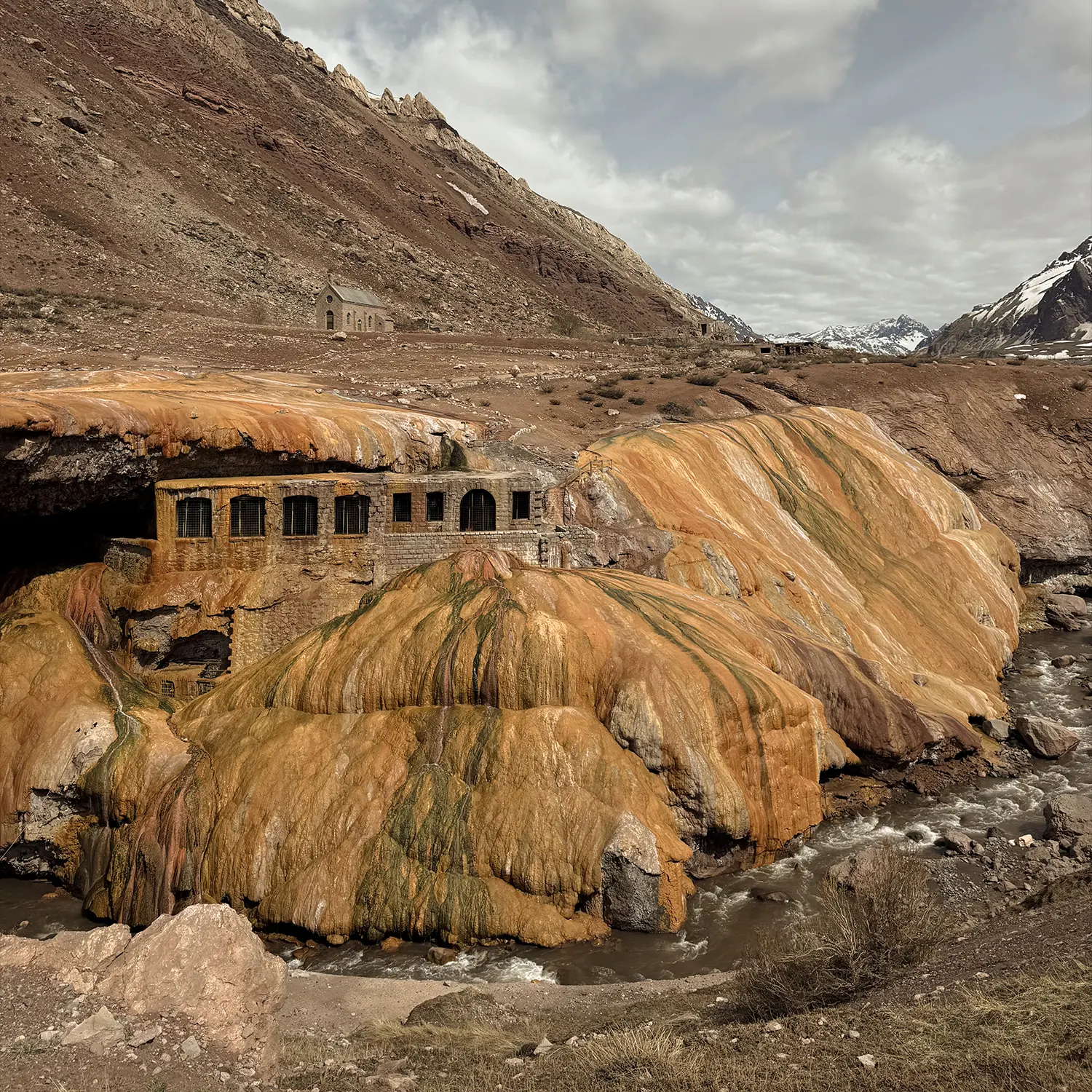
For travelers wanting to combine wine with mountain landscape directly, our High Mountain tour covers the broader Andes experience.
Frequently asked questions
Should I visit Uco Valley if I only have one day for wine?
Yes, if you're a serious wine traveler. The wines are sufficiently distinct from those of Luján de Cuyo that choosing Uco for a single day is defensible. If you have two days, do both regions.
How do the prices compare to Luján de Cuyo?
Similar at the premium tier, often slightly lower at the boutique level. The transport cost is higher because of distance, but the wines themselves are not more expensive at the winery.
What if I want a more mountain-focused experience?
Tupungato (the northern Uco area near Gualtallary) has the most dramatic mountain views. The southern Paraje Altamira area is flatter in feel.
Are Uco Valley wineries less booked than Luján de Cuyo?
The premium estates — Zuccardi, Catena's Adrianna project, Salentein — book up equivalently. Smaller boutique producers have more availability with two to three weeks of lead time.
The Uco Valley is where Mendoza wine is heading. If you'd like us to design a private Uco Valley day with the right anchor estate, a paired boutique winery and lunch reservations, get in touch via WhatsApp.
More questions? Check our FAQ with 25 common questions about tours, prices, logistics, and Alta Montaña.
Discover Uco Valley with us
Personalized advice · Confirmed bookings · Premium experiences