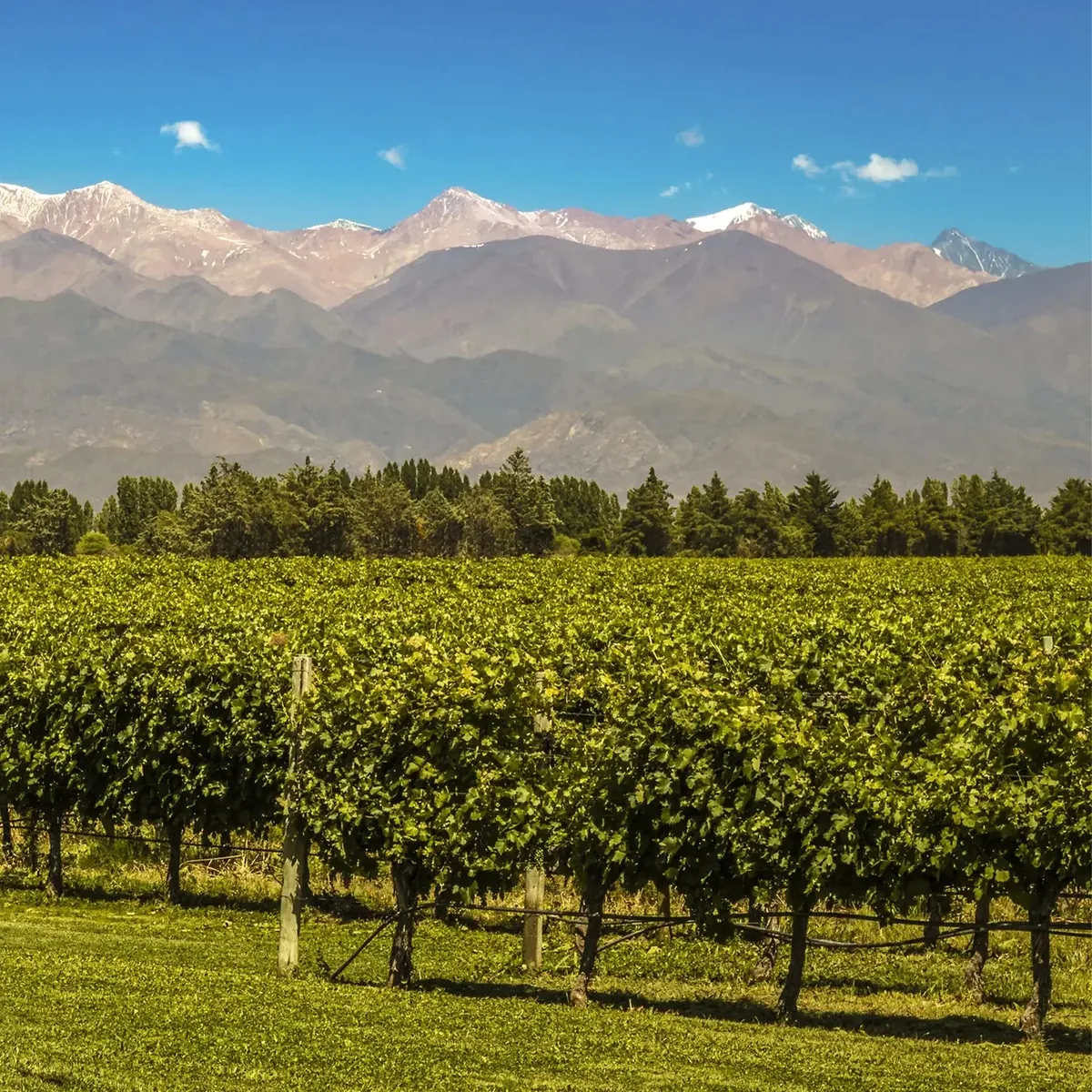
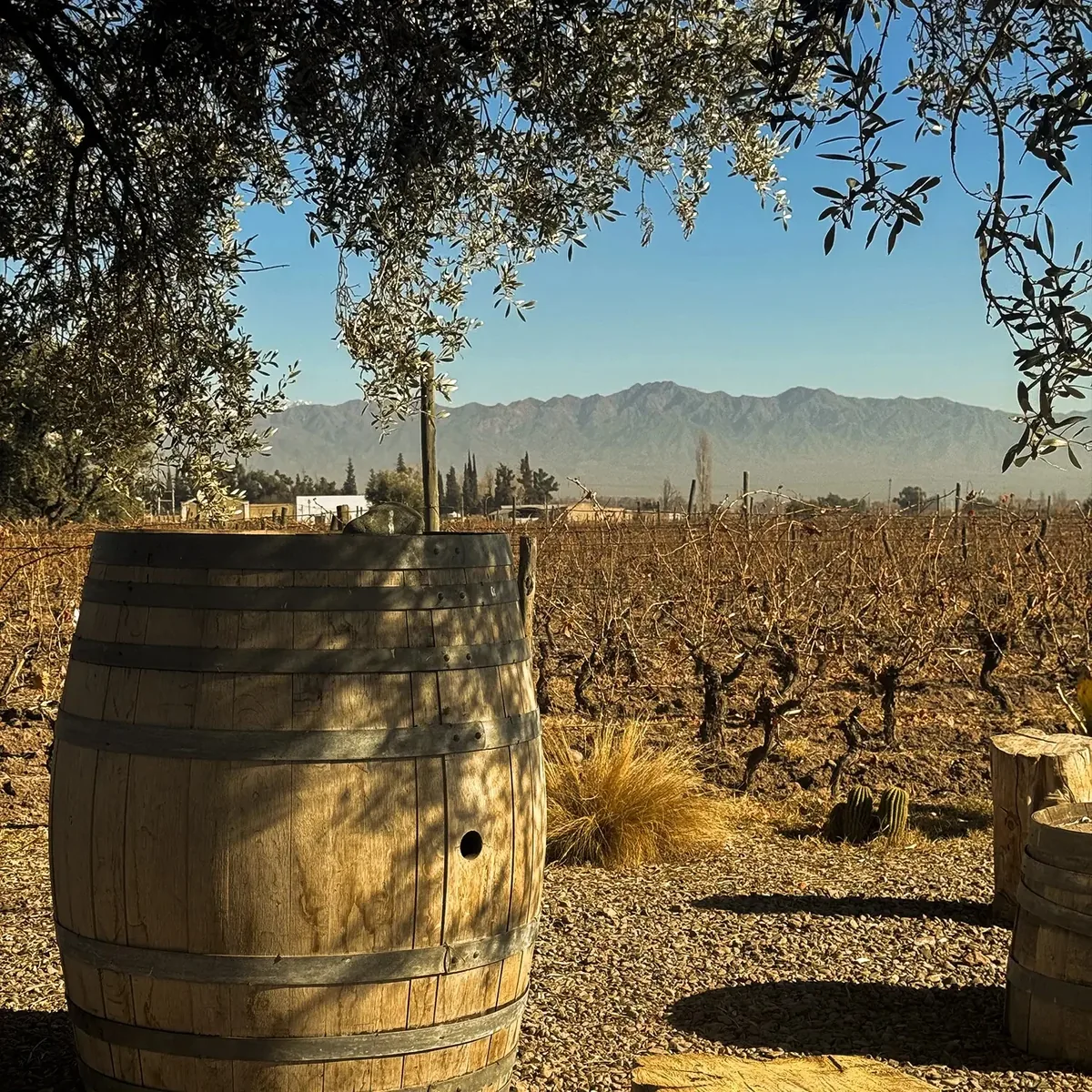
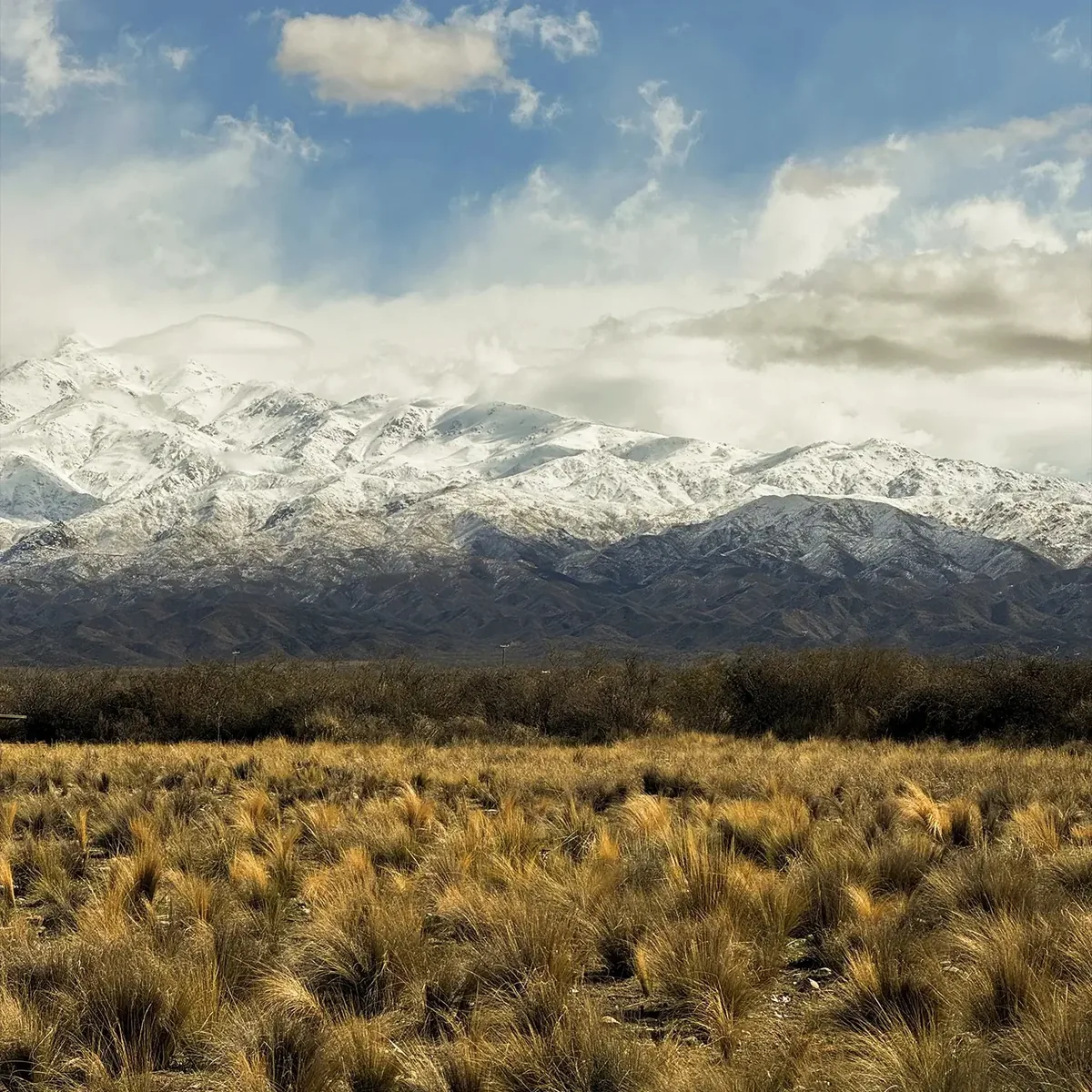
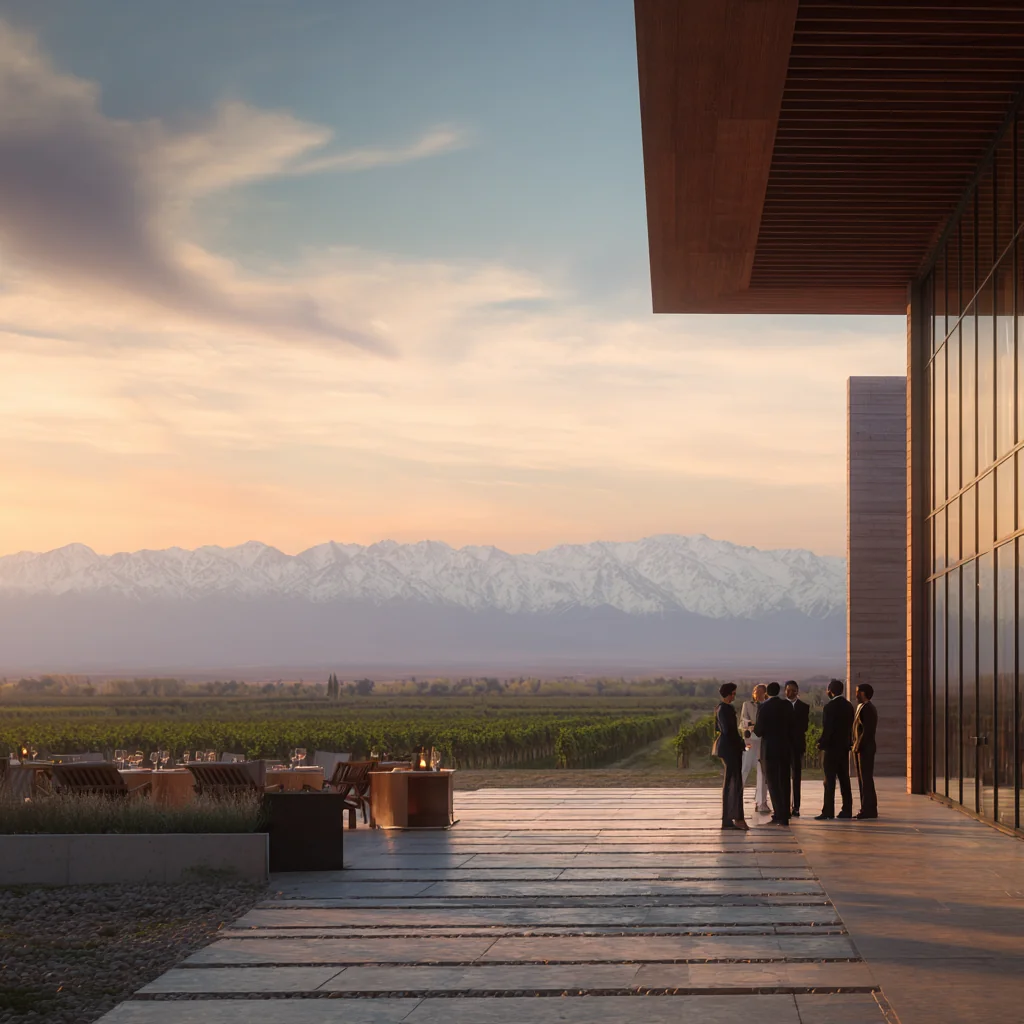
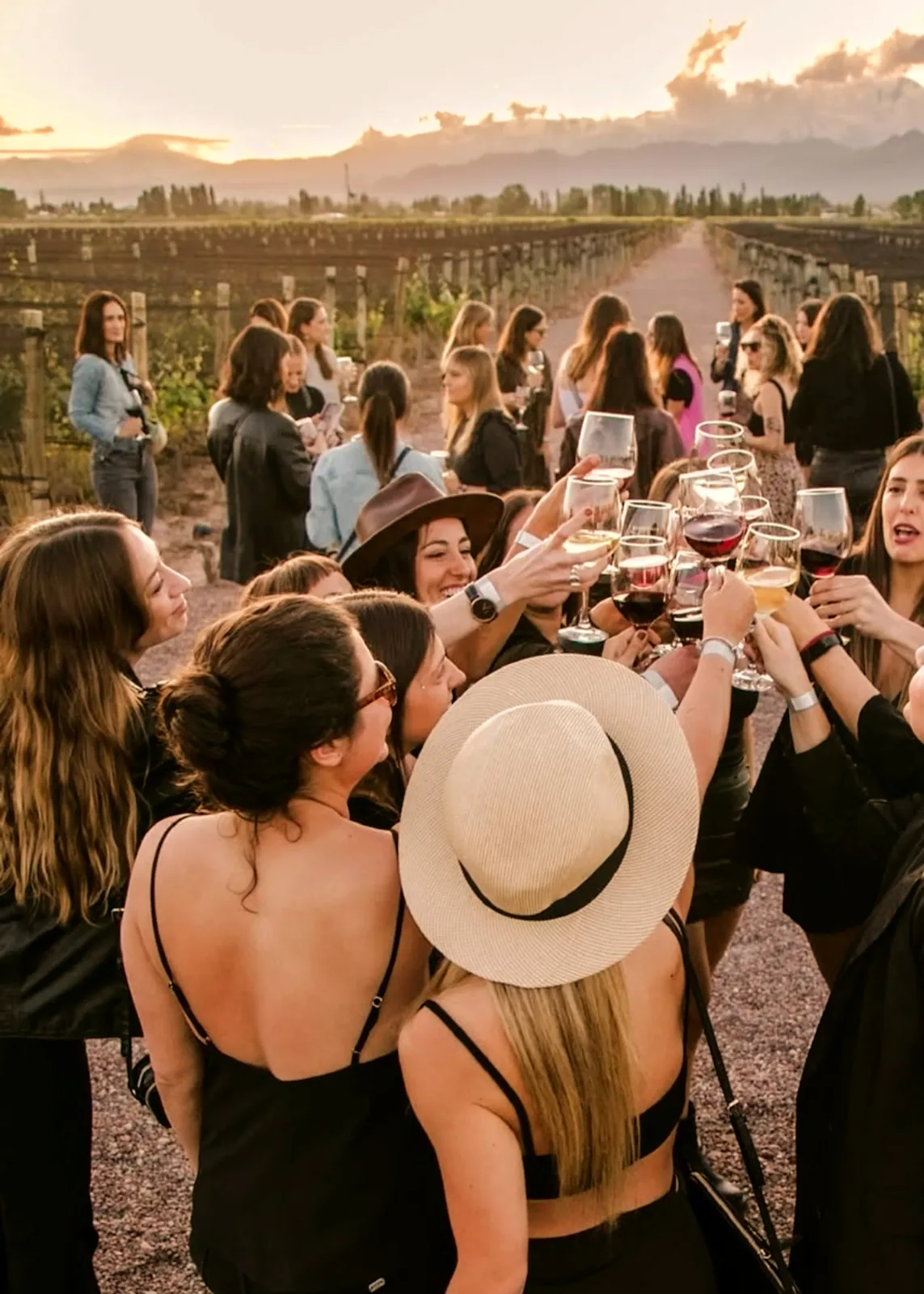
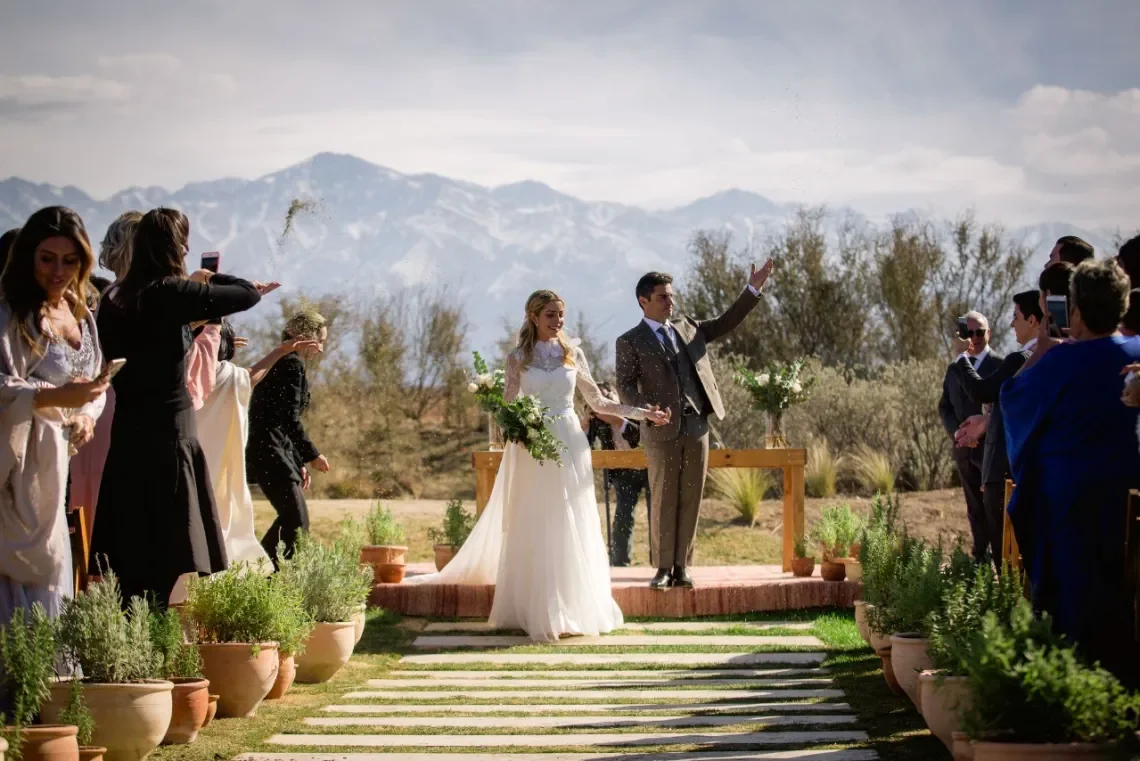
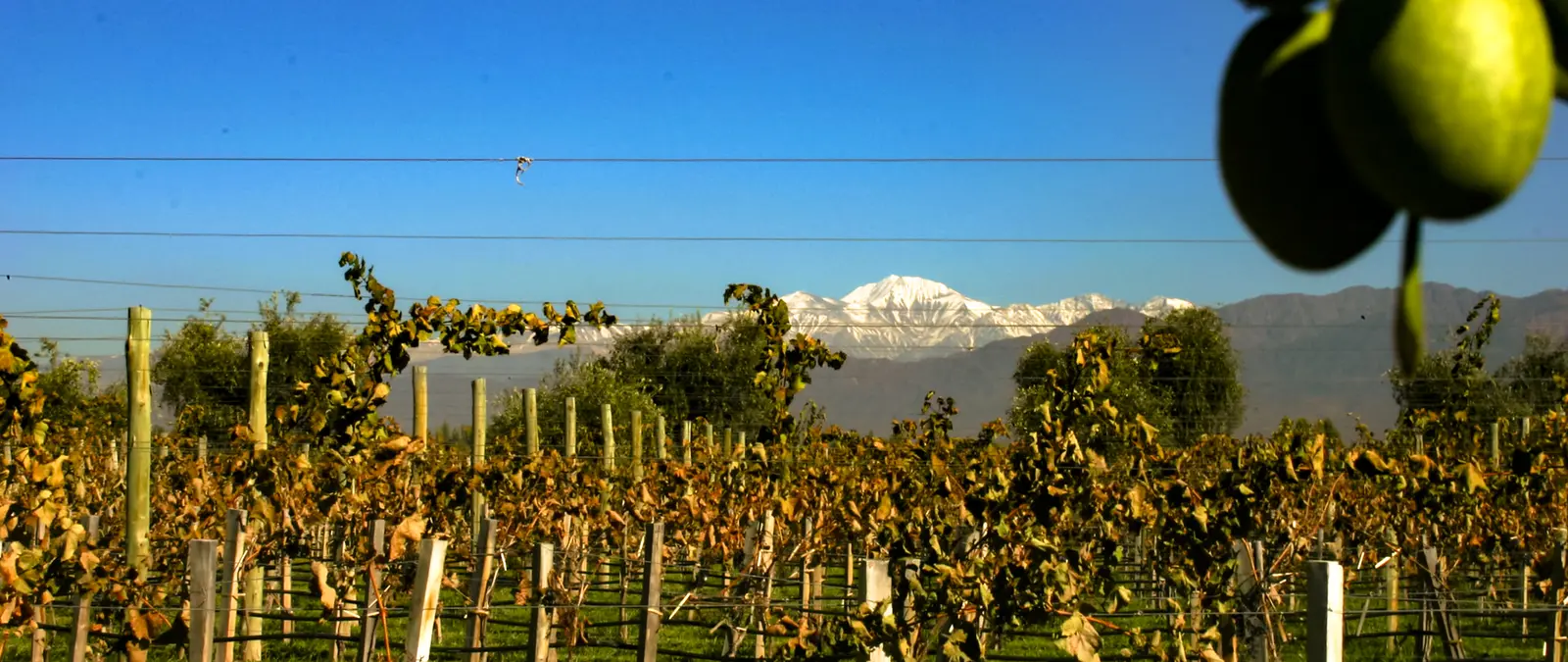
"Three days in Mendoza is the right amount — if you don't waste them." For most first-time visitors flying in from Buenos Aires, the United States or Europe, three days is the realistic window for a serious wine trip. It's enough to cover the major regions without exhausting yourself, and short enough to fit into a broader South American itinerary. The challenge is using the time well.
Planning your visit? Discover our private wine tours in Mendoza — or explore our luxury wine tours in Mendoza.
This is the itinerary we'd recommend to a friend visiting Mendoza for the first time. It's not the only valid version, but it's built on the practical realities of what works.
Before you start: the assumptions
This itinerary assumes:
- You're staying in Mendoza city, Chacras de Coria, or a wine lodge in Luján de Cuyo — the three reasonable bases for a first visit
- You're using a private driver/guide rather than driving yourself (essential — covered in our winery lunch guide)
- You're traveling in shoulder or high season (October-April) with reservations made at least 4-6 weeks in advance
Day 1: Luján de Cuyo — the historic region
Start with Luján de Cuyo because it's the most representative introduction to Argentine wine. The area is 30-45 minutes from Mendoza city, the wineries are historically the most established, and the classical Malbec style here is the easiest entry point into the region's wines.
Morning visit (10:00 AM)
Anchor the morning with a flagship estate. The two strongest options:
- Catena Zapata — the architectural icon and the historically most important producer. Standard tasting around 90 minutes.
- Susana Balbo Wines — smaller in scale, more intimate, family-run. Often a more rewarding first visit.
Lunch (12:30 PM)
Move to a nearby winery for paired lunch. Options that work well after a morning at Catena:
- Osadia de Crear at Susana Balbo
- Brindillas in Vistalba
- A smaller boutique producer recommended by your guide based on the morning visit
Lunch runs to about 4:00 PM. After this, you're done with wine for the day.
Evening
Light walk through Chacras de Coria or back to Mendoza city for an early aperitif. Don't book a serious dinner — you've eaten and drunk enough for the day. A light evening meal is fine; a tasting menu is a mistake.
Day 2: Uco Valley — the modern region
The contrast with day one is the point. Uco Valley is geographically further (1h30-2h drive each way), structurally different in winemaking philosophy, and architecturally more contemporary. Don't skip it.
Morning visit (10:30 AM)
The two strongest options at flagship level:
- Zuccardi Valle de Uco in Paraje Altamira — the most awarded winery in the world in recent years, and the most cinematic visit in Mendoza
- Domaine Bousquet in Gualtallary — the organic and biodynamic reference
Lunch (1:00 PM)
Lunch at the morning winery is the right choice in Uco. Piedra Infinita Cocina at Zuccardi and Gaia at Domaine Bousquet are both excellent. The geography makes adding a second winery after lunch impractical — you'd be back to Mendoza city very late.
Evening
Arrive back in town around 6:00-7:00 PM. This is the right evening for a serious Mendoza city dinner: Azafrán or Anna Bistró are the natural choices.
Day 3: Choose your own adventure
The third day is the variable. The best choice depends on what you want from the trip:
Option A: Maipú for character
If your interest is the human side of Mendoza wine — the literary kitchen at Casa Vigil, the historic López family estate, the boutique producers — spend day three in Maipú. It's the closest region to Mendoza city (25 minutes) and the most atmospheric. Casa Vigil's literary lunch is the standout experience.
Option B: Andes Mountains for landscape
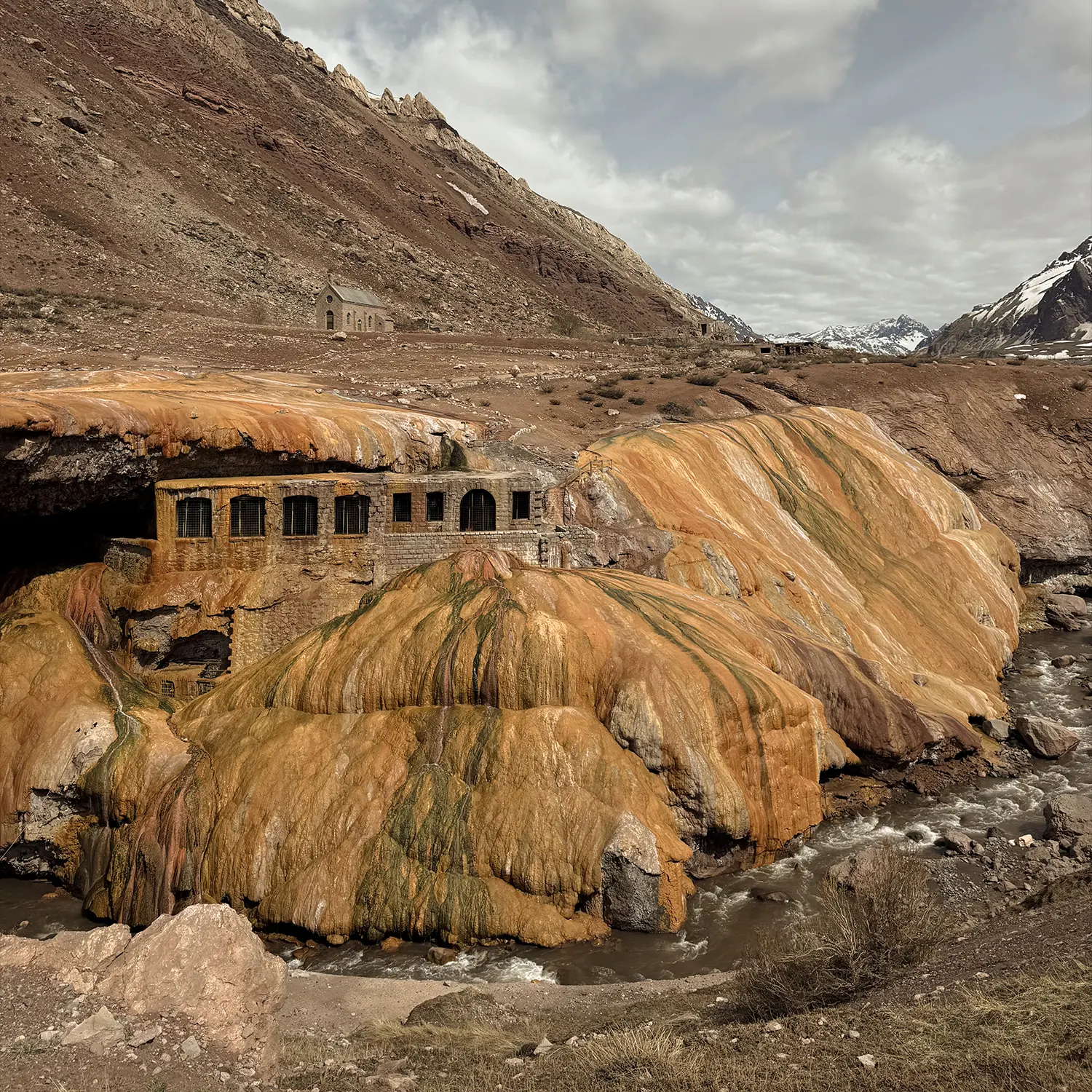
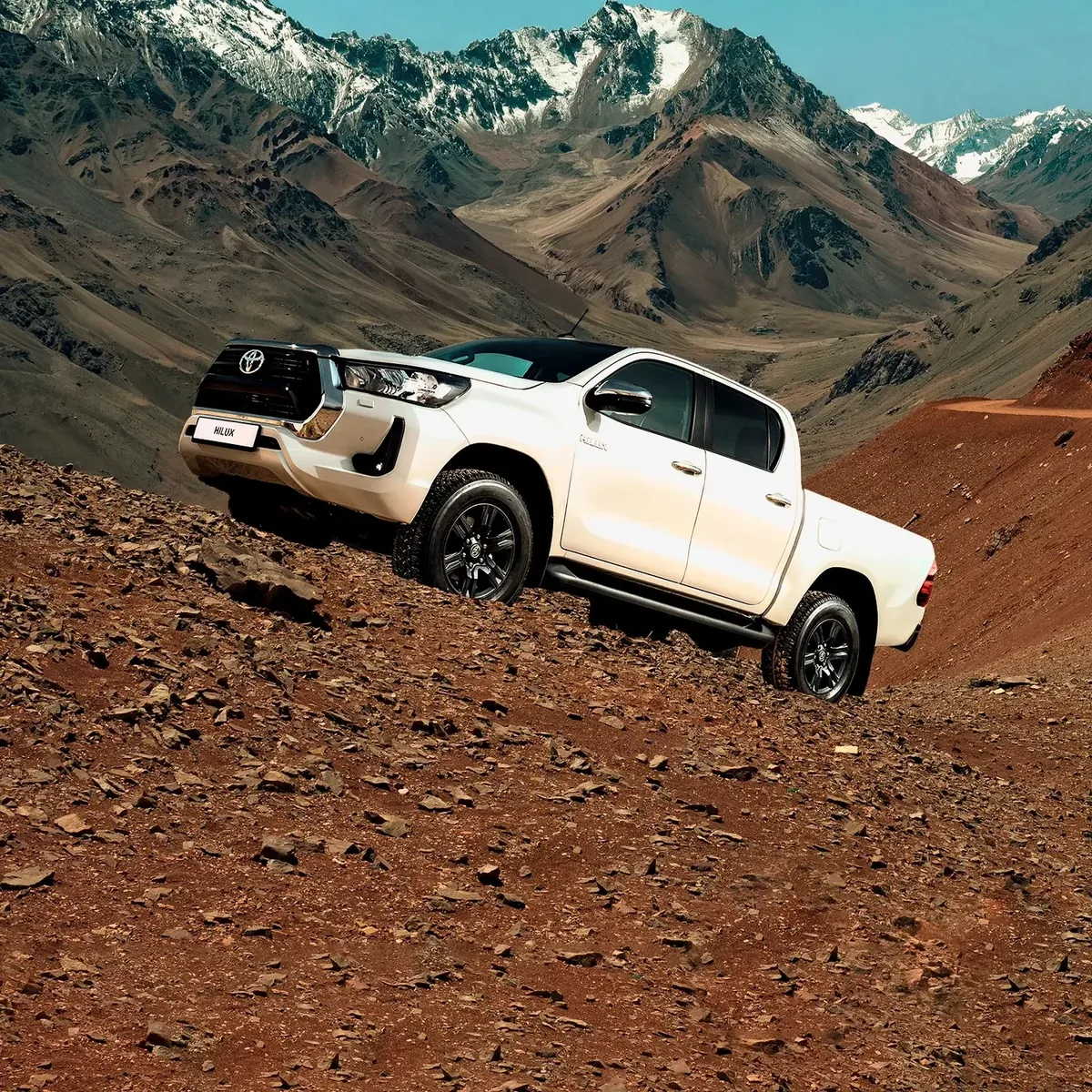
If you want a break from wine and want to see the Andes properly, our High Mountain tour takes a full day along the Route 7 corridor through Uspallata to Puente del Inca, with views of Aconcagua. This is the right choice for travelers who want to experience the geographic context of Mendoza wine country.
Option C: A second Uco Valley day
If day two convinced you that Uco Valley is the most interesting region, a second day there focused on smaller boutique producers (Gualtallary or Vista Flores) is justified. This is the version we'd recommend for serious wine enthusiasts.
Option D: City and culture day
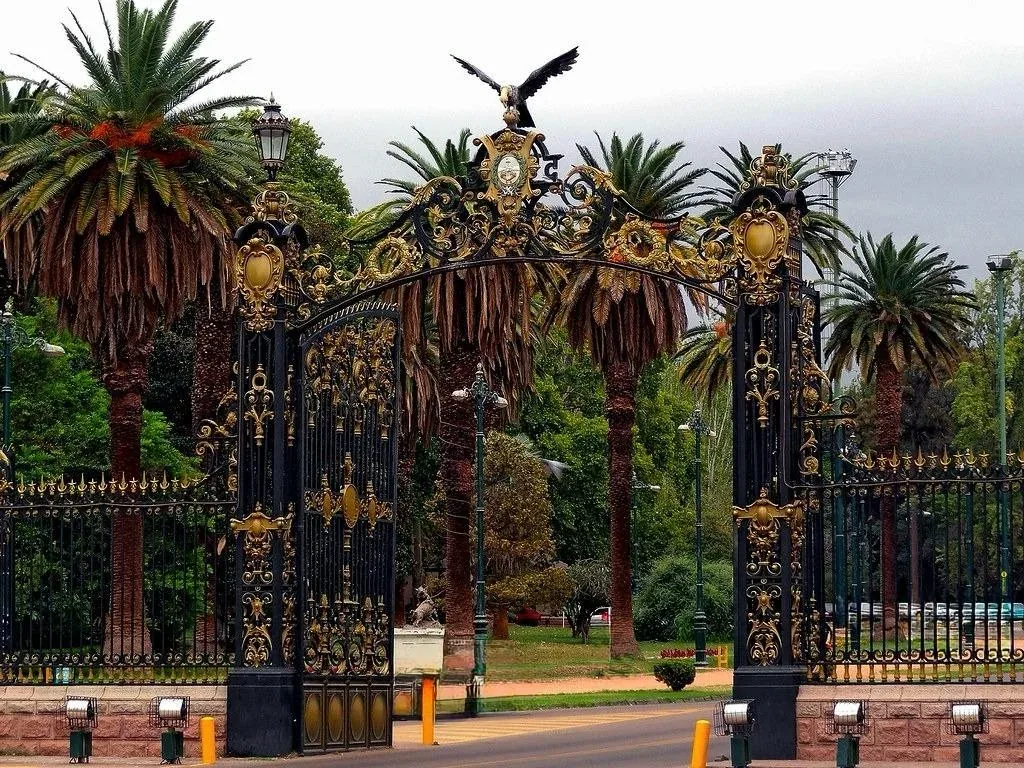
If wine fatigue is real by day three, a Mendoza city tour covering Plaza Independencia, Parque San Martín, the Plaza de Vendimia and the city's gastronomic scene is a worthwhile alternative. This works particularly well combined with a half-day cooking class or a visit to the Mercado Central.
The mistakes to avoid
Trying to visit four wineries in a day
The mistake first-time visitors make most often. Two wineries with a paired lunch is the maximum that allows real engagement with what you're seeing. Three wineries is a checklist exercise; four wineries is a forced march. The wines blur and nothing gets remembered properly.
Combining regions on the same day
"Luján in the morning, Uco in the afternoon" sounds efficient and is, in practice, a disaster. The driving time alone eats the day. Pick a region per day.
Renting a car to drive yourself
Argentine drink-driving enforcement is strict, and tolerance is essentially zero. A serious wine day will put you well above any legal limit. Don't do this. Use a private driver.
Booking the wineries yourself two weeks before
Premium estates book up 2-3 months in advance for high season. The most disappointing version of a Mendoza trip is the one where you arrive and discover that the wineries you wanted to visit are full. Book early, or use a local concierge with established relationships.
What this itinerary costs
The cost structure of three days in Mendoza varies dramatically depending on the wineries chosen, the dining and the level of service. The largest single variable is whether the wineries chosen are entry-level visits or premium winemaker-led experiences. For specific pricing on the package as a whole, contact us — we don't publish prices because the right itinerary genuinely depends on what you want.
Frequently asked questions
Is three days enough?
For a focused first visit, yes. Four days allows more breathing room. Five days lets you cover all three wine regions plus the Andes. A week is the right length for travelers who want to go deep.
When is the best time to come?
March-April (autumn, post-Vendimia) and October-November (spring) are the most rewarding windows. Vendimia (February-March) is more vibrant but more expensive and more crowded. December-January is hot. June-August has cold nights but reduced winery availability.
Where should I stay?
Three options work for a first visit: Mendoza city (most convenient, urban), Chacras de Coria (suburban, charming, close to Luján), or a wine lodge in Luján or Uco Valley (immersive but isolated). For more, see our guide to where to stay in Mendoza.
Do I need to speak Spanish?
No. All premium wineries and restaurants have English-speaking staff. A bilingual guide solves any gaps.
If you'd like us to build this trip for you — with the right winery selection, paired lunches, transport and a bilingual guide — get in touch via WhatsApp and we'll have it ready before you arrive.
More questions? Check our FAQ with 25 common questions about tours, prices, logistics, and Alta Montaña.
Plan your perfect 3-day Mendoza trip with us
Personalized advice · Confirmed bookings · Premium experiences