"The Michelin Guide doesn't visit a country casually. It arrives when the cuisine is ready for an international audience — and stays for a long time." The arrival of Michelin Guide Argentina in 2023 marked a turning point for Mendoza dining. For decades, the region's best food was hidden in plain sight: at the winery lunches, at the family-run open-fire restaurants, at the chef's table operations that locals knew about but international visitors rarely found. The guide put names on the map.
Planning your visit? Discover our private wine tours in Mendoza — or explore our luxury wine tours in Mendoza.
For wine travelers planning a serious trip, the Michelin recognition is useful in two ways: it identifies the most ambitious kitchens, and it signals which wineries take their gastronomy seriously enough to be considered alongside the wines. This guide covers the starred and recommended addresses worth knowing — and how to integrate them into a Mendoza wine itinerary.
The starred restaurants
Azafrán
Located in downtown Mendoza, Azafrán has been a fixture of the city's serious dining scene for years before the guide arrived. The kitchen, led by chef Sebastián Weißker, builds around regional ingredients with modern technique — lamb from northern Patagonia, local trout, vineyard herbs, controlled-fermentation breads. The wine list is among the most ambitious in Argentina, with depth across both classic and boutique producers.
Azafrán is the right choice for the first or last evening of a Mendoza wine trip, when you want a serious city dinner that contextualizes everything you've been tasting in the wineries. Reservations are essential.
Anna Bistró
Anna Bistró, also in central Mendoza, has earned recognition for its consistency and its quietly excellent wine pairings. The style is bistro-modern with strong technique: short menu, seasonal rotation, careful sourcing. For travelers who prefer a less formal atmosphere than Azafrán but still want serious cooking, Anna is the dependable choice.
Brindillas
Brindillas, in Vistalba (Luján de Cuyo), works in a more rural register. Chef Mariano Gallego's menu reflects what's being harvested locally that week — not as marketing, but operationally. The wine list emphasizes Luján boutique producers. It's the kind of place a serious Mendoza wine traveler tends to remember vividly.
The winery restaurants the guide recognized
Several winery-affiliated kitchens have received Michelin recognition (recommendation, "Bib Gourmand" or starred status). These are the ones that turn a wine visit into a complete experience:
Piedra Infinita Cocina (Zuccardi Valle de Uco)
Chef Julián Cervantes builds menus around what the region produces directly — local lamb, fresh-water fish, mountain vegetables, herbs from the property — and the wines are poured alongside courses designed to reveal them. For more on the broader experience, see our Zuccardi guide.
Osadia de Crear (Susana Balbo)
Chef Flavia Amad's kitchen at Susana Balbo Wines is one of the most consistent winery restaurants in Luján de Cuyo. The lunch experience here is what most travelers who plan ahead end up choosing as their main meal of the day.
Casa Vigil
The literary kitchen at Casa Vigil works differently than most winery restaurants — it's narrative-driven, with menus structured around classic literature. The Michelin guide has recognized it specifically for ambition and originality.
Riccitelli Bistró
Matías Riccitelli's bistró in Luján de Cuyo brings the same restless quality his wines have. Short, sharp menu, deliberate sourcing, wines from the family bodega and from select neighbours. A relaxed register that punches well above weight.
The dining categories worth knowing
Open-fire and traditional
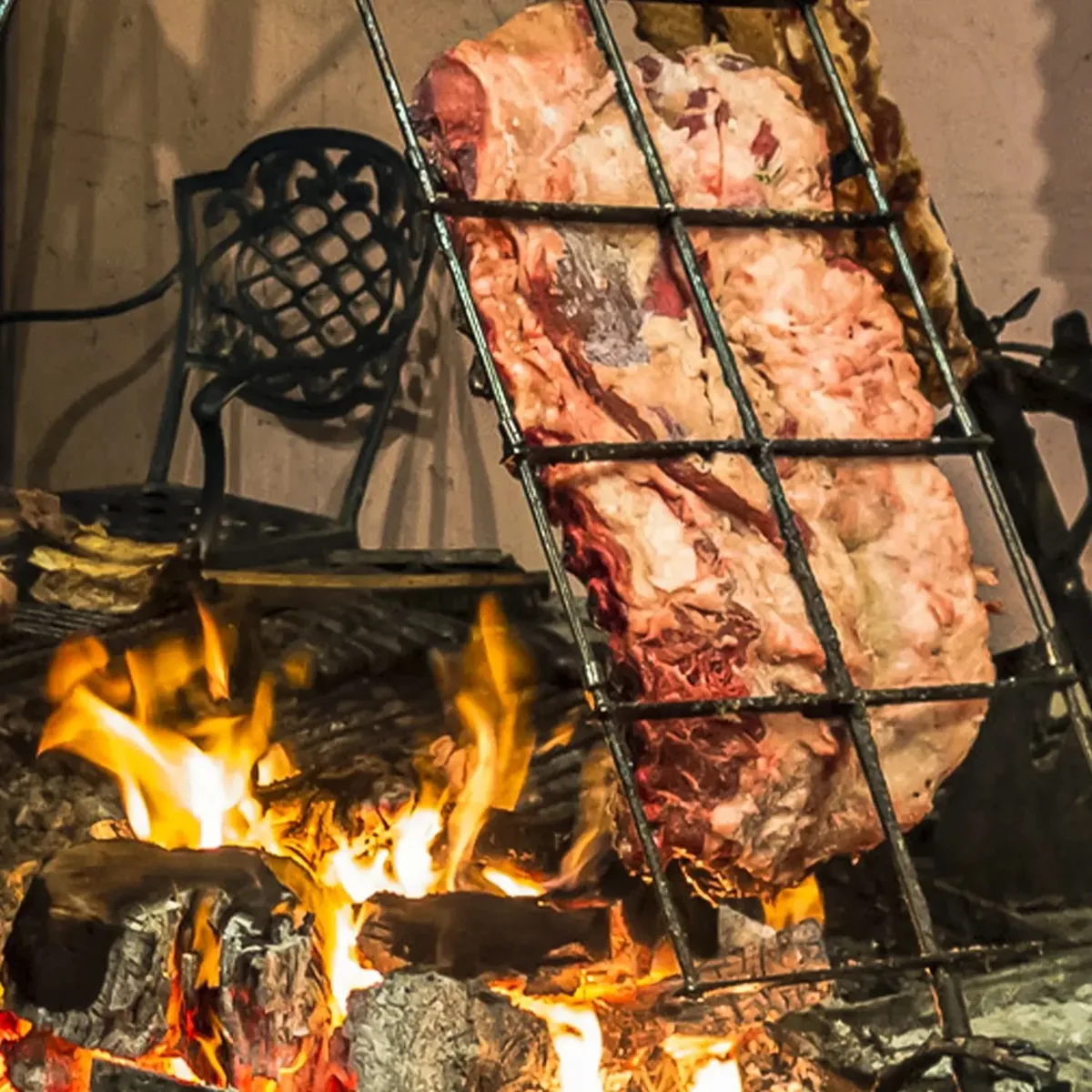
Mendoza's open-fire cooking tradition is taken seriously by the guide. Restaurants like Fogon at Lagarde and the parrillas that emphasize wood-fire technique have been recognized in this category. For travelers interested in seeing Argentine fire cooking done at a professional level, this category is where to look.
If you want to learn the technique yourself, our private Argentine cooking class covers asado and empanadas with a local chef.
Sustainable kitchens
Several recognized restaurants have earned Michelin's Green Star for sustainable practices. These are kitchens that have built menus around local sourcing, low waste, vegetable-forward technique. Within wine country, this category overlaps significantly with the wineries running organic and biodynamic vineyards.
How to build a Mendoza trip around Michelin dining
Don't over-book
Each of these meals is a multi-hour experience. Two Michelin-recognized meals in three days is plenty; four becomes exhausting. Pair starred dinners with simpler casual lunches at boutique wineries, or vice versa.
Reservation lead time
The starred and well-known restaurants book up 4-8 weeks ahead for prime tables, especially Friday and Saturday evenings. Lunch at winery restaurants requires equivalent lead time during Vendimia and through October. Don't leave reservations to the last week.
Match the meal to the day
City restaurants (Azafrán, Anna) work as evening punctuation marks after a winery day. Winery restaurants (Piedra Infinita, Osadia, Casa Vigil) are lunch experiences that anchor a full half-day. Trying to combine a winery lunch with a city dinner the same day is a mistake — the energy doesn't carry.
Frequently asked questions
How does Argentine Michelin compare to European Michelin?
The standards are the same globally — the inspectors travel and apply consistent criteria. What's different in Argentina is the cultural register: the cuisine is less formal, the dining rooms more relaxed, and the prices significantly lower than equivalent European meals.
Are the wine pairings worth the supplement?
At the winery restaurants, almost always — you're tasting wines often not poured outside the estate. At city restaurants, it depends on the sommelier and the list. Azafrán's pairing programme is widely regarded as excellent value.
Do all of these have English-speaking service?
Yes, all of the starred and primary recognized restaurants. At smaller recognized addresses the answer varies but is usually yes at least at the host level.
What's the dress code?
Comfortable elegant casual at all of them. None of the Mendoza starred restaurants require a jacket. The atmosphere is closer to a serious New World wine country dining than to a formal European city restaurant.
Mendoza has become a genuine gastronomic destination, not just a wine destination. If you'd like us to organize a private trip that integrates Michelin-recognized dining with serious winery visits, including reservations across both, get in touch via WhatsApp and we'll design the trip around the meals.
More questions? Check our FAQ with 25 common questions about tours, prices, logistics, and Alta Montaña.
Tour with a curated Michelin-level dining experience
Personalized advice · Confirmed bookings · Premium experiences