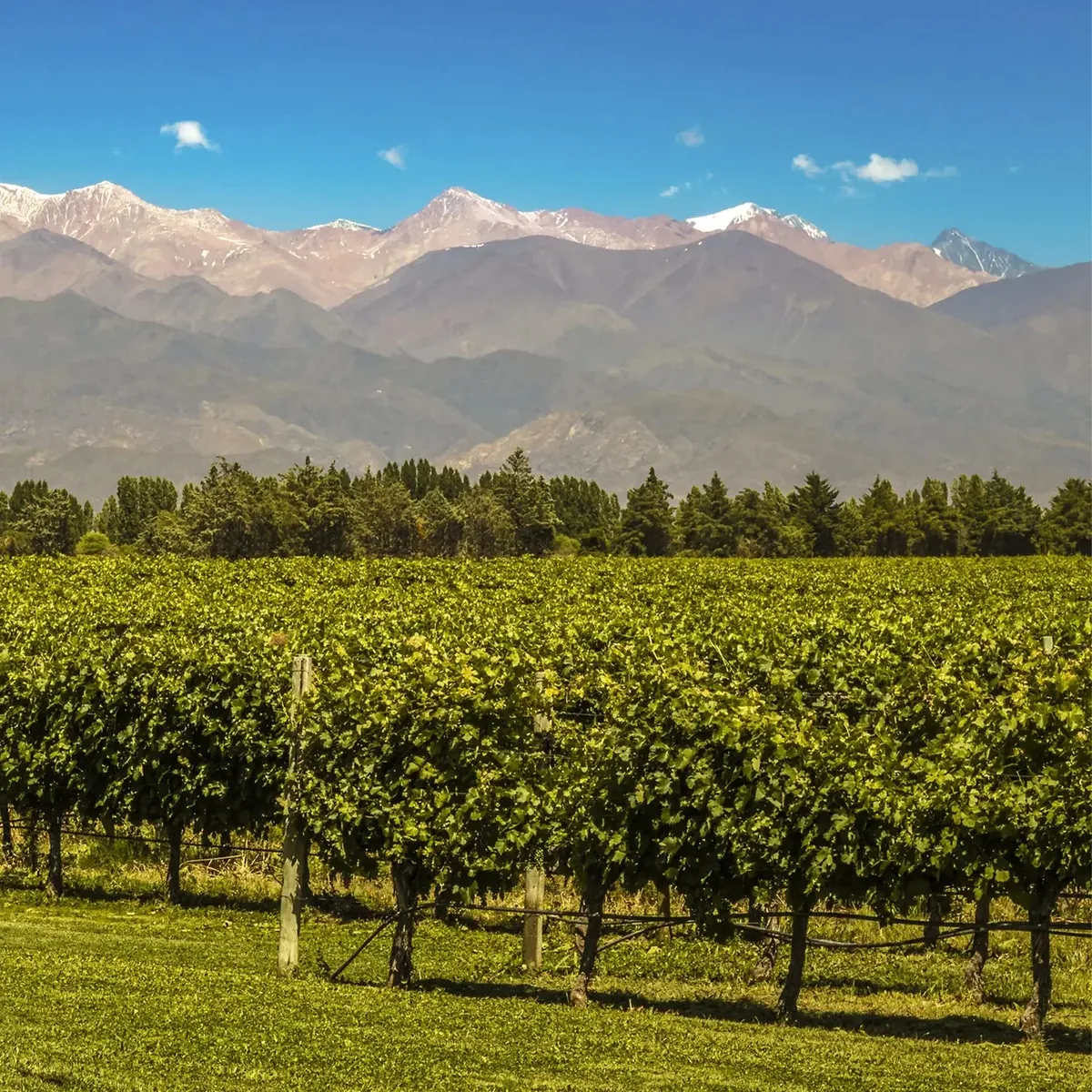
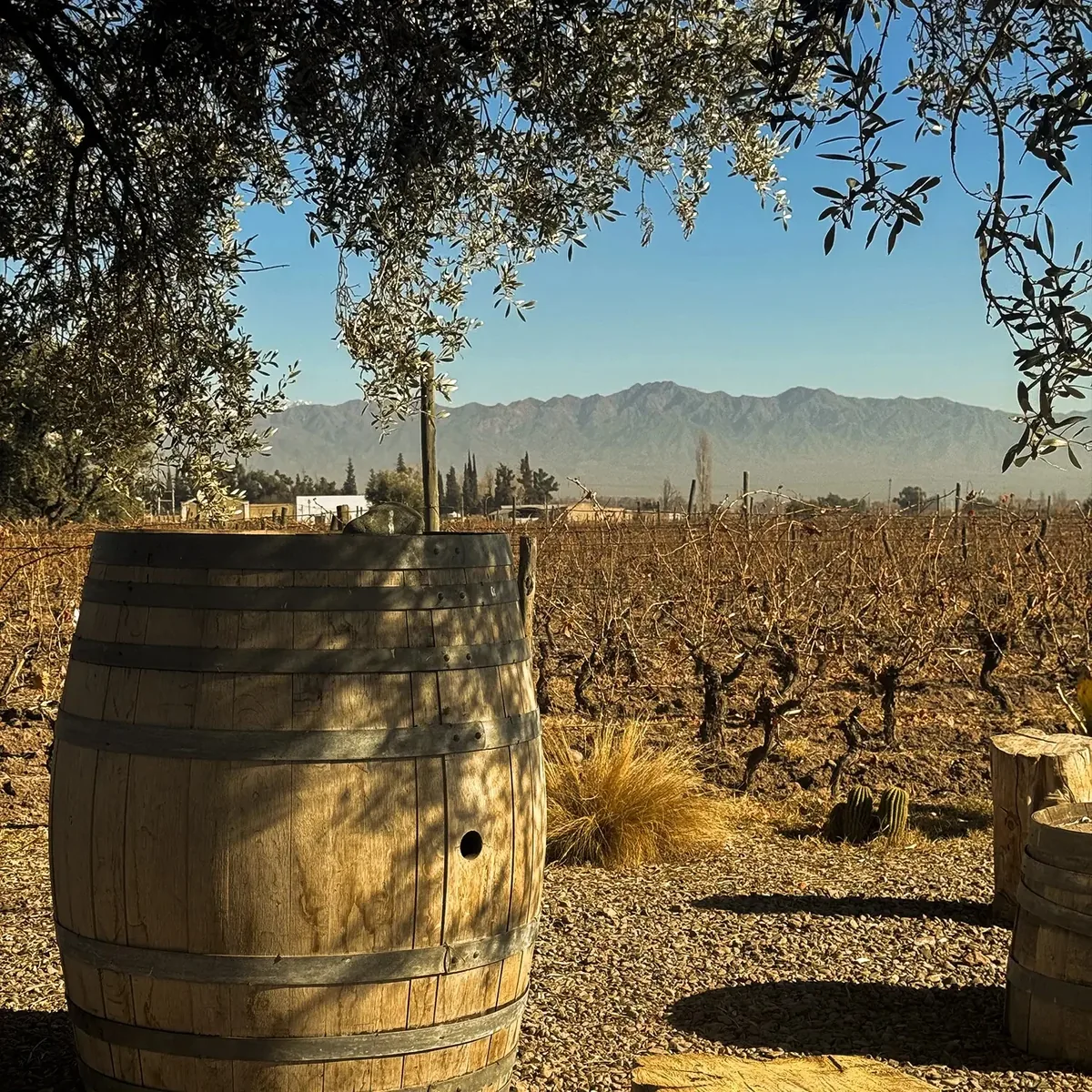

"You can taste a wine. Or you can taste a wine while the person who designed it explains the decision behind every choice." The difference between those two experiences, in Mendoza, is enormous. A tasting becomes a conversation. A flight becomes an argument. A label becomes a person with opinions you'll remember long after the bottle is empty.
Planning your visit? Discover our private wine tours in Mendoza — or explore our luxury wine tours in Mendoza.
For wine travelers who care about the people behind the bottles, Mendoza is unusually open. The winemaking community here is small, the family wineries are still genuinely family-run, and the boutique scale of many serious estates means the person in the cellar is often the person who pours your wine. This guide explains how to plan a trip that maximizes those conversations.
Where you actually meet the winemaker
The first thing to understand: at the larger flagship wineries — the ones with hundreds of visitors a day — meeting the winemaker is rare. The Catena Zapatas and Trapiches of the world have winemaking teams measured in dozens. The chance of crossing paths with the lead enologist on a standard visit is essentially zero, no matter what the booking page implies.
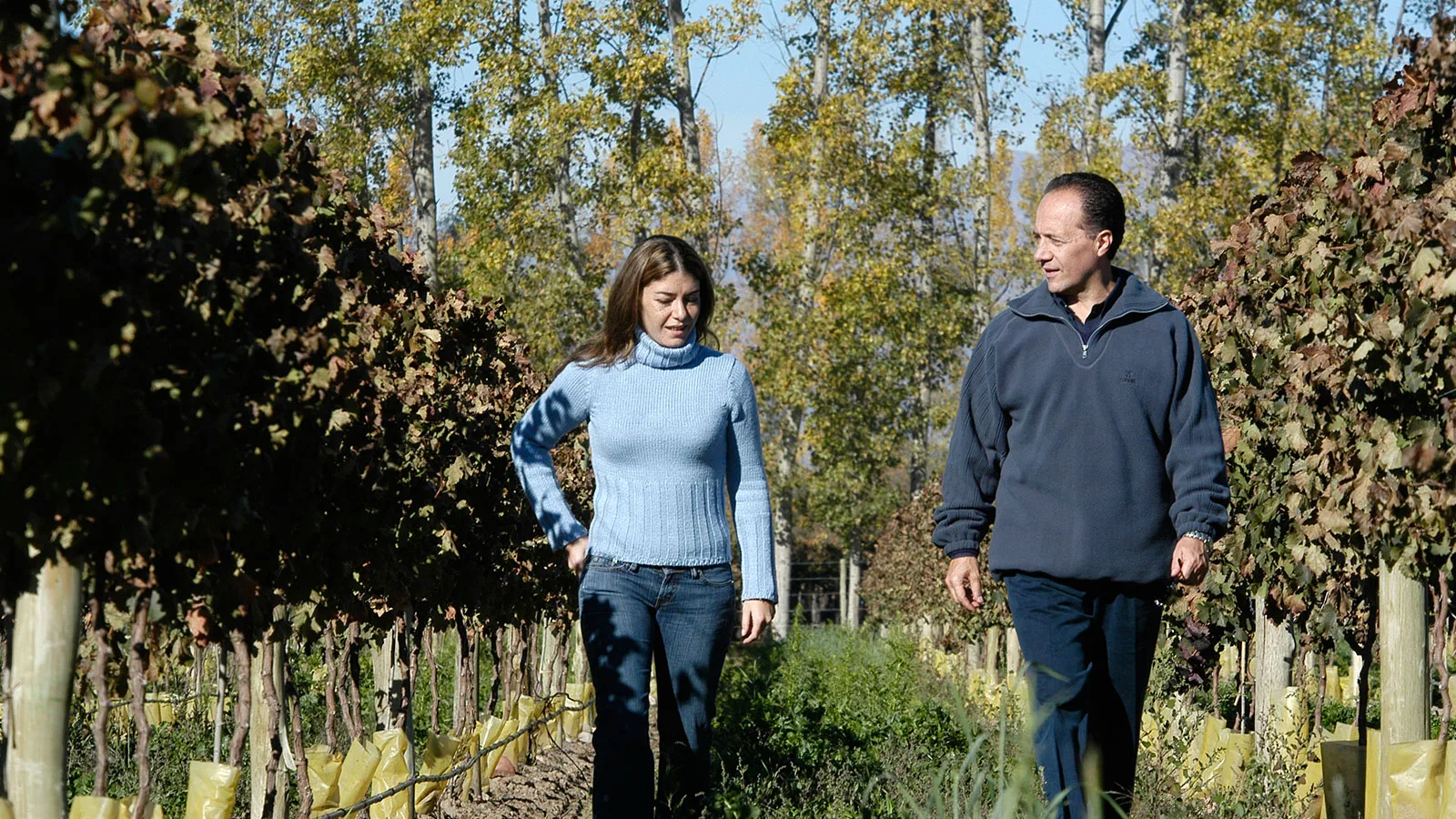
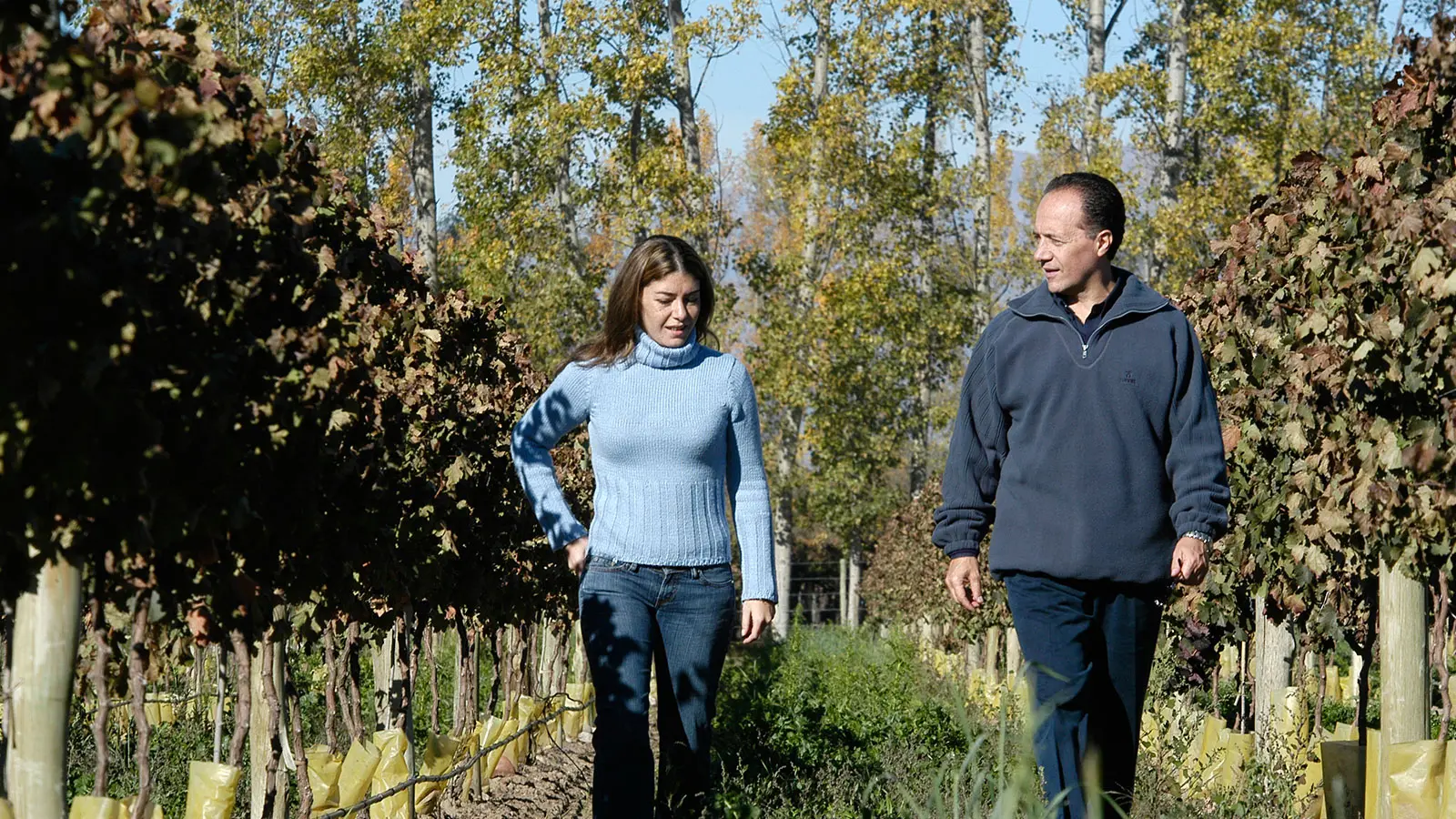
Where you actually meet winemakers is at boutique estates — the producers making fewer than 100,000 bottles annually, often in single-family or two-partner operations. At many of these, the winemaker doubles as the host, and the tasting is conducted as a conversation rather than a script. This is the segment of Mendoza wine where the most interesting tasting experiences happen.
How a winemaker-led tasting differs
Three things change when the person who made the wine is in the room:
1. The questions get answered properly. "Why did you ferment this in concrete?" gets a real answer, not a marketing line. "What changed in the 2022 vintage?" gets a specific technical response. The level of detail available is qualitatively different.
2. The wines get presented in their actual sequence. Winemakers tend to pour wines in the order that makes them argue with each other, not in the order designed to ease a tourist into the portfolio. The tasting becomes a deliberate exercise rather than a procession.
3. The off-list bottles come out. Barrel samples. Experimental lots. Wines that aren't bottled yet but are sitting in a tank or barrel nearby. None of this happens at standard tastings. With a winemaker present, it happens frequently — not as a favour, but as the natural extension of the conversation.
The wineries where this is genuinely possible
Some of Mendoza's most respected boutique producers run their visits with the winemaker present as standard:
- Boutique single-family estates in Vista Flores and Paraje Altamira — many of the smaller Uco Valley producers are still operated entirely by the founding winemakers
- Garage-scale projects in Gualtallary — some of the most discussed new producers operate at very small scale, with the winemaker as the only host
- Mid-sized family wineries like Susana Balbo Wines (where Susana, Ana and José are all genuinely present during the week)
- Specific projects within larger groups — some larger wineries run premium winemaker-led experiences as a defined tier of visit
The challenge is that the boutique producers don't publicize themselves well. Most don't appear in standard travel guides. Finding them depends on local knowledge — which is one of the practical reasons working with a private guide is more useful in Mendoza than in better-known wine regions.
The Blending Experience: making wine alongside a winemaker
The most direct version of meeting a winemaker is to spend a half-day actually working with one. Mendoza has developed a category of experience called Wine Blending, where visitors work with a winemaker to create their own bottle from base wines, then take it home labeled with their name.
The serious versions of this — not the tourist gimmick versions — involve real decisions about percentage of varieties, oak influence, and finishing style. The winemaker explains the trade-offs of each choice. The wine you take home is genuinely yours. For most travelers, this ends up being one of the more memorable experiences of a Mendoza trip. Our Blending Experience page covers the full format.
How to design the trip
Mix scales deliberately
A trip composed entirely of boutique winemaker-led tastings is exhausting — the level of focus required is high. A trip composed entirely of large flagship visits is informative but impersonal. The right mix for most travelers is one major estate per day (Catena, Zuccardi, Trapiche-tier) plus one boutique visit with the winemaker present. The contrast is the lesson.
Be flexible with the schedule
Winemaker-led visits often run long — sometimes significantly longer than scheduled. If your day is over-packed, the conversation gets cut short, which defeats the point. Build slack into the itinerary.
Ask questions, but ask the right ones
The questions that open the most interesting conversations are not the obvious ones. "What's your favourite vintage?" gets a polite answer. "What did you change after 2018?" gets a real answer. "Why didn't you use new oak this year?" gets you twenty minutes of substance. The boutique winemakers in Mendoza enjoy the technical conversation; they don't get to have it often enough.
For a structural understanding of grape varieties to anchor those conversations, see our guide to grape varieties of Mendoza.
The cultural context
Argentine winemakers, especially in the boutique segment, tend to be educated, internationally aware, and intellectually generous. Many trained abroad (France, California, Australia) and returned with strong opinions about how Mendoza should evolve. The conversation is rarely about "tradition" in an abstract sense — it's about specific decisions, specific vintages, specific vineyards, specific bets on the future.
This is one of the reasons Mendoza is, for serious wine travelers, sometimes more rewarding than older European regions where conversations tend to be more constrained by inherited convention. Here, the project is still actively being defined.
Frequently asked questions
How do I find boutique winemakers without a local guide?
It's hard. Most don't have English-language booking pages, and the ones that do tend to be the more commercial. Local concierges and private tour operators have direct relationships and can make introductions that aren't available through standard channels.
Will the winemaker speak English?
The premium boutique winemakers generally do, often well. The smaller and more idiosyncratic producers vary — some are excellent in English, others need translation help. A bilingual guide solves this.
Is there a tipping convention?
At winemaker-led tastings, tipping is not customary in the way it is at restaurants. Buying a bottle or two at the end is the more meaningful gesture. The wines are usually significantly cheaper at the winery than abroad, and the gesture is appreciated.
How long should these visits run?
Plan for at least 90 minutes; expect them to run 2-3 hours frequently. They cannot be rushed.
If you'd like us to design a Mendoza trip that includes serious time with boutique winemakers — including a Blending Experience and tastings with the actual people behind the wines — get in touch via WhatsApp and we'll build it from there.
More questions? Check our FAQ with 25 common questions about tours, prices, logistics, and Alta Montaña.
Meet Mendoza winemakers with us
Personalized advice · Confirmed bookings · Premium experiences