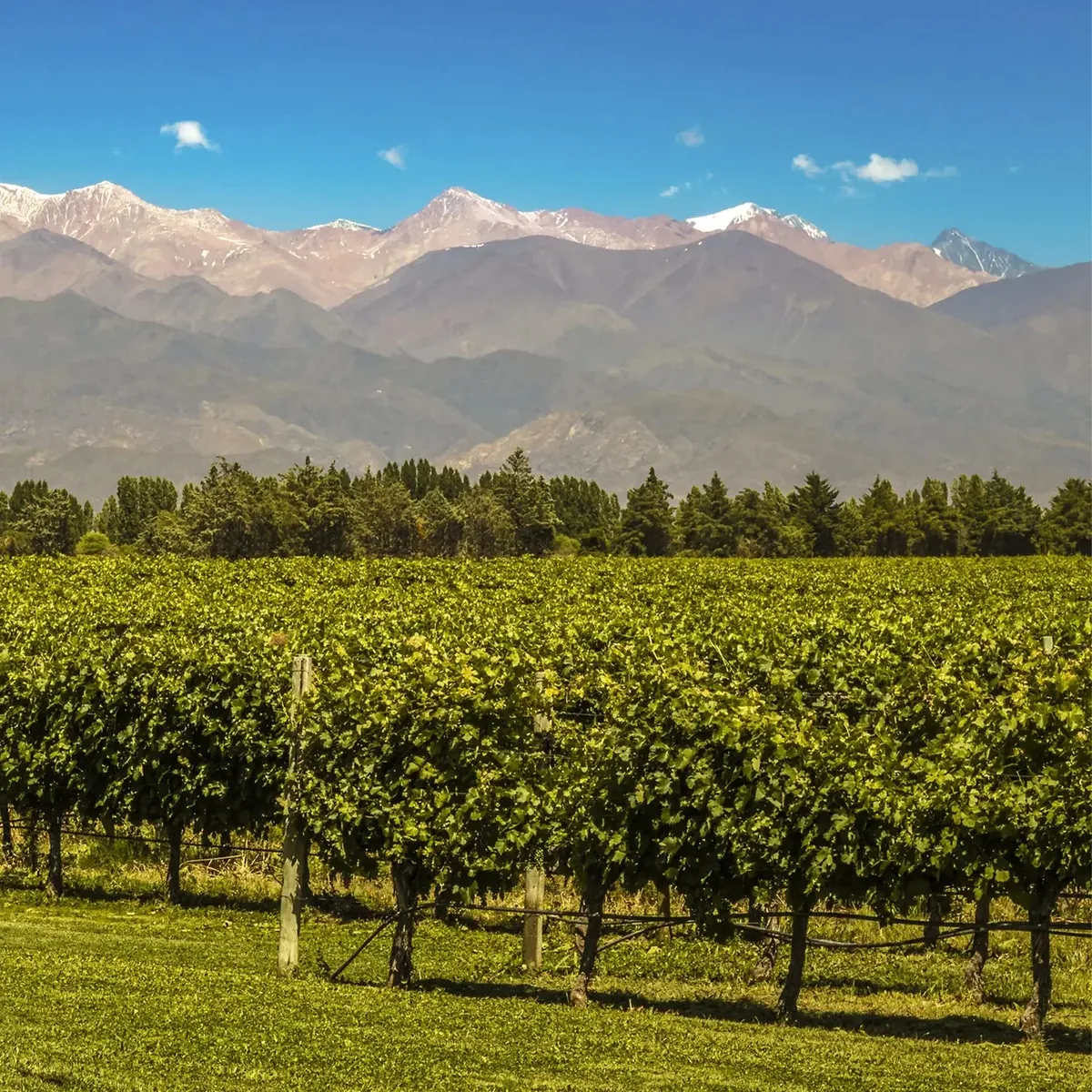
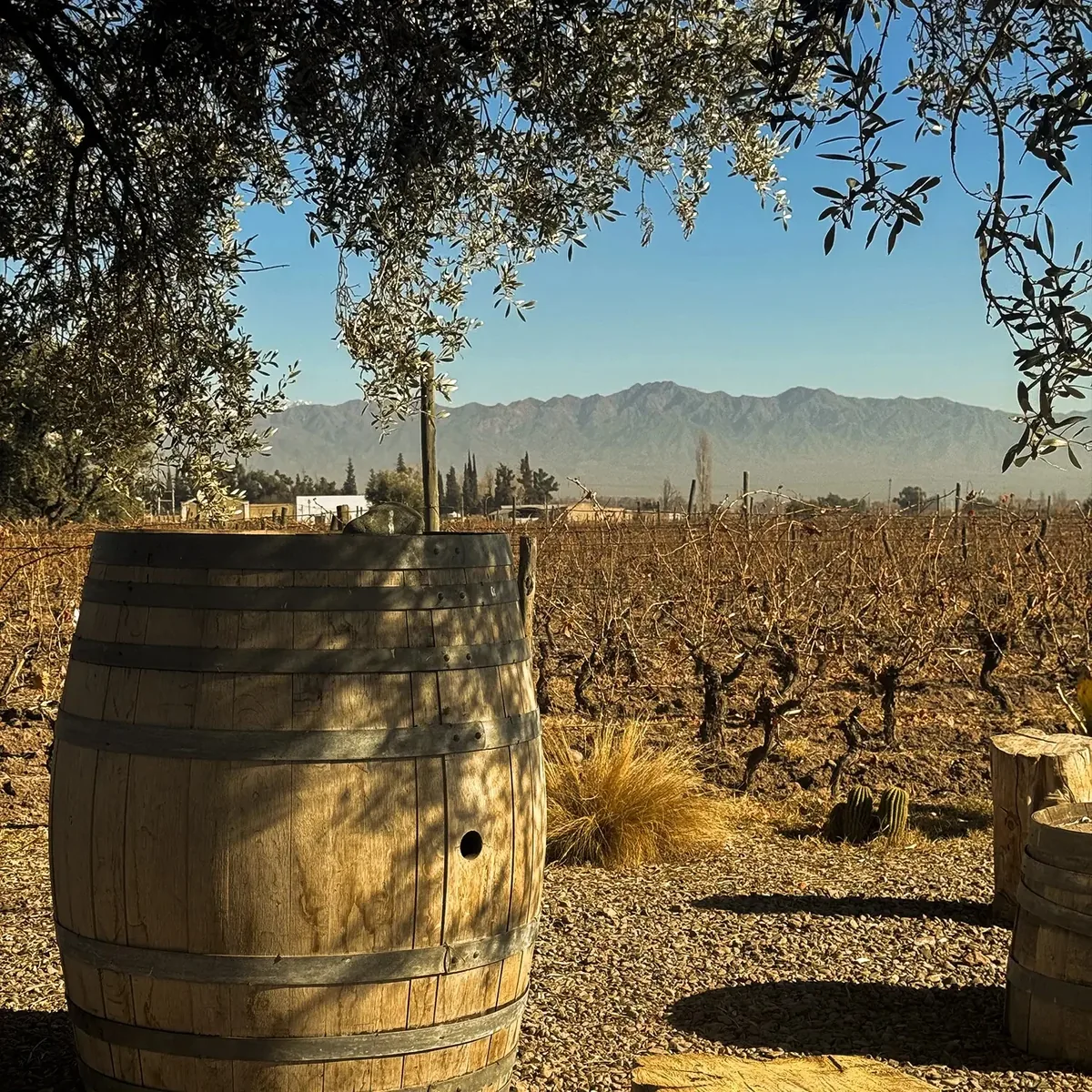

When talking about Argentine wines, everyone thinks of Malbec. But Mendoza has a much richer variety of grapes than international marketing suggests.
Planning your visit? Discover our private wine tours in Mendoza — or explore our luxury wine tours in Mendoza.
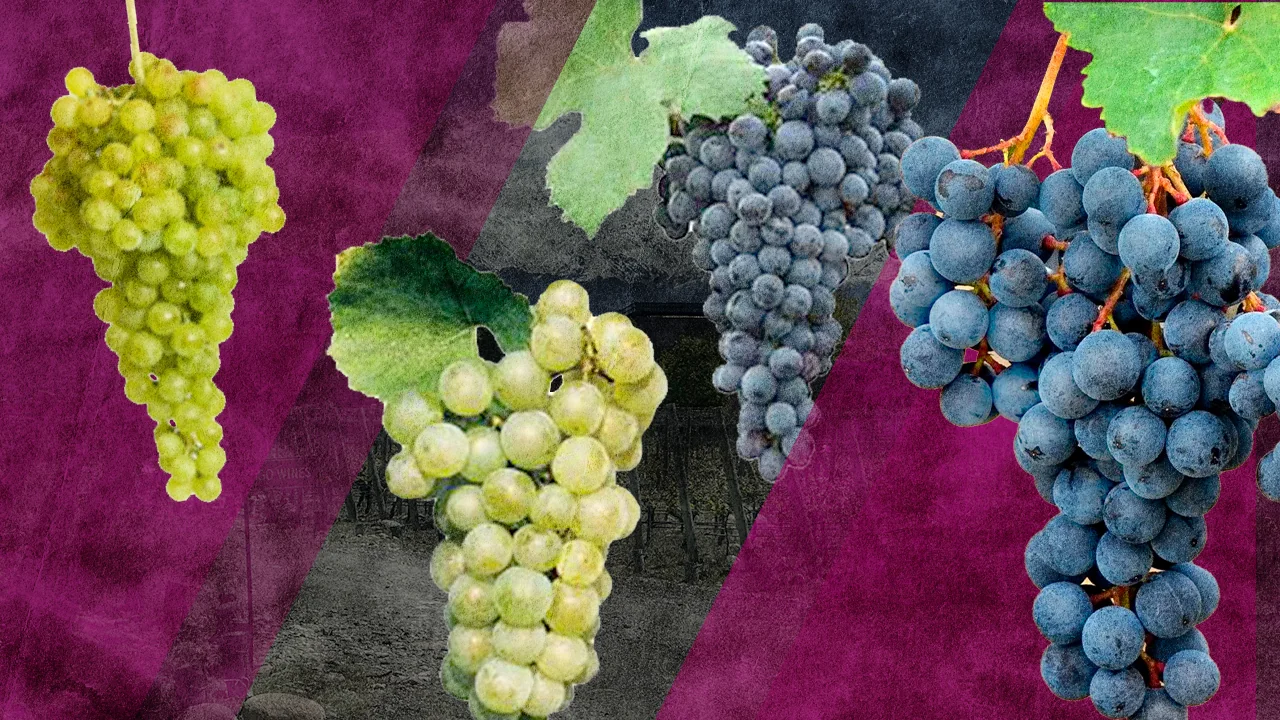
In this guide we'll cover the most important grape varieties in Mendoza: the classics we all know, the modern surprises and the rare varieties worth discovering.
Red varieties: Mendoza's protagonists
Malbec: the undisputed king
Malbec is to Mendoza what Mendoza is to Argentina: pure identity. Originally from Cahors (France), it found in Mendoza's stony soils and altitude conditions it never had in Europe. The result is a wine with its own characteristics: deep color, soft tannins, notes of black fruit (plum, blackberry), violets and spices.
75% of the world's Malbec is grown in Argentina, and most is in Mendoza. There are very different profiles depending on the zone: classic Malbec from Maipú (fruity, accessible), premium Malbec from Luján de Cuyo (structured, complex) and high-altitude Malbec from Uco Valley (mineral, elegant). To understand these differences, we recommend our guide to wine regions.
Cabernet Sauvignon
The classic international variety. In Mendoza it does very well, especially in Maipú and Luján de Cuyo soils. Wines with body, firm tannins, notes of ripe black fruit, pepper and spices. Many premium Argentine labels are blends where Cabernet plays an important role.
Cabernet Franc
The trendy variety in recent years. In Uco Valley it found exceptional terroir. Elegant wines, with herbal notes (paprika, thyme), red fruit and marked mineral. If you've never tried an Argentine high-altitude Cabernet Franc, we especially recommend it.
Bonarda
The "forgotten" variety that's coming back. Originally from Italy, Bonarda was for decades the second most planted variety in Argentina (after Criolla). Today wineries like Familia Zuccardi are making premium Bonardas demonstrating its potential. Juicy, fresh wines, with red fruit notes and soft tannins.
Tempranillo
Originally from Spain (Rioja, Ribera del Duero), it also adapts well to Mendoza. Medium-bodied wines, with notes of leather, tobacco and ripe fruit. Used a lot in blends.
Petit Verdot
Classic French variety from Bordeaux. In Mendoza it's used mainly in blends. Provides color, tannins and violet notes. Some wineries like Achaval Ferrer and Catena Zapata make exceptional pure varietals.
White varieties: the Mendoza surprise
Chardonnay
The most planted white variety in Mendoza. In Uco Valley at 1,500 meters of altitude it produces wines with freshness, minerality and white fruit notes. Catena Zapata, Salentein and Trapiche have internationally recognized premium Chardonnays.
Sauvignon Blanc
The Uco Valley revelation. Wines with citrus, herbal and sea (at altitude) notes, with vibrant acidity. Wineries like Bodegas Bianchi and Andeluna have won awards with this variety.
Torrontés
Argentina's emblematic white variety. Originally from the Cafayate region (Salta), also grown in Mendoza. Aromatic wines (jasmine, orange, green apple), fresh and low acidity. Susana Balbo is the national reference.
Viognier and Semillón
Less planted varieties but with much potential. Some boutique wineries are making exceptional labels with these varieties. White wines with body, notes of tropical fruits and honey.
Wines from little-known varieties
- Pinot Noir: difficult to grow, but some Uco Valley zones achieve it. Elegant wines with cherry and fine spice notes.
- Syrah: in San Rafael (south of Mendoza) warm and spicy Syrahs are made.
- Sangiovese: Italian variety, immigrant heritage, still grown in family wineries of Maipú.
- Criolla: the original Mendoza variety, used for decades for table wine. Some biodynamic wineries are making "premium Criollas" that are fascinating.
Blends: creative freedom
Blends are combinations of several varieties, where the winemaker seeks a unique profile no pure variety achieves. Argentina is a world reference in iconic blends:
- Catena Zapata Estiba Reservada: Cabernet Sauvignon and Malbec blend.
- Viña Cobos Bramare: Malbec with Cabernet touches.
- Achaval Ferrer Quimúa: Bordeaux blend with Mendoza identity.
- Susana Balbo Brioso: blend based on Cabernet Sauvignon.
If you're interested in premium wines, we recommend reading Mendoza's high-end wines.
Where to try each variety
If you want to build a comparative tasting by varieties, the best options are:
- Premium Malbec: Luján de Cuyo (Catena, Viña Cobos, Achaval Ferrer)
- Cabernet Franc: Uco Valley (Bodega La Azul, Andeluna, Salentein)
- Bonarda and Tempranillo: Maipú (López, Familia Zuccardi)
- High-altitude white wines: Uco Valley (Salentein, Bianchi, Andeluna)
The experience of making your own blend
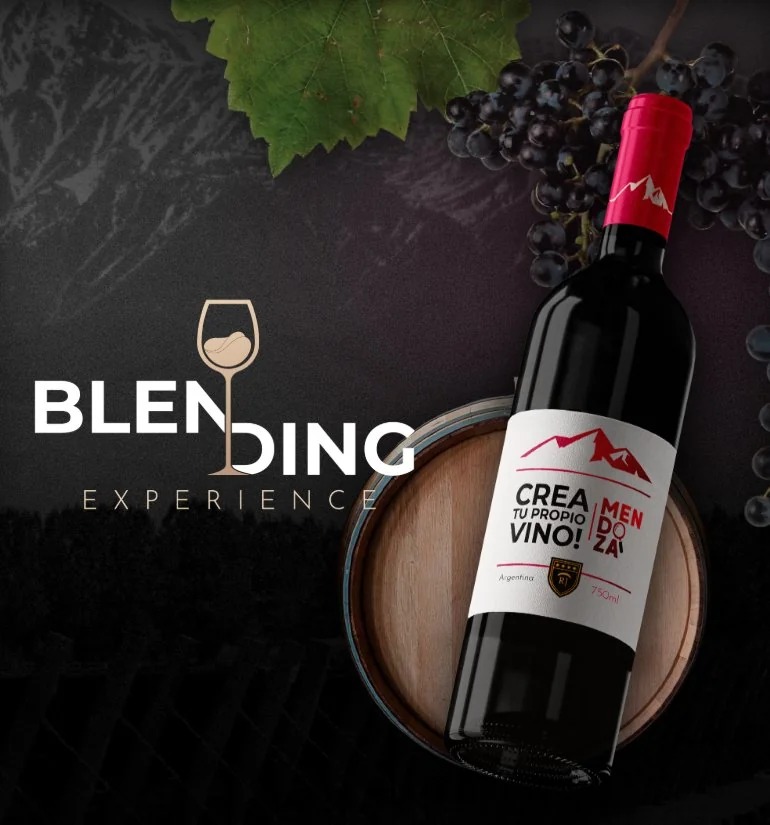
If you really want to understand how a wine is built from different varieties, the best experience is the Blending Experience: alongside a winemaker you learn to mix Malbec, Cabernet, Merlot and Petit Verdot, and take your own personalized bottle home.
Frequently asked questions
What variety to try first if I'm a novice?
Start with a young Malbec from Maipú. It's accessible, fruity and represents the Mendoza essence. Then try a premium Malbec from Luján to understand the quality difference.
Are there native Argentine varieties?
Strictly no. Criolla and Cereza are varieties brought by Spaniards that adapted locally. The true "national star" is Malbec, which although came from France, reached its maximum expression in Argentina.
Why is Mendoza Malbec so different from French?
Due to the combination of altitude, thermal amplitude, stony soils and dry climate. In Cahors (France) Malbec produces more austere and tannic wines. In Mendoza, the fruit is riper, the color more intense and tannins rounder.
What's the best year for Mendoza wines?
2010, 2013, 2017 and 2020 are considered great vintages. But Mendoza quality is quite constant year after year, thanks to dry and predictable climate.
If you want to organize a tasting specialized in varieties and know the wineries that work them best, contact us via WhatsApp. We build thematic itineraries for wine lovers who want to go beyond classic Malbec.
More questions? Check our FAQ with 25 common questions about tours, prices, logistics, and Alta Montaña.
Discover the wines of Mendoza
Private tastings · Expert winemakers · Exclusive wineries