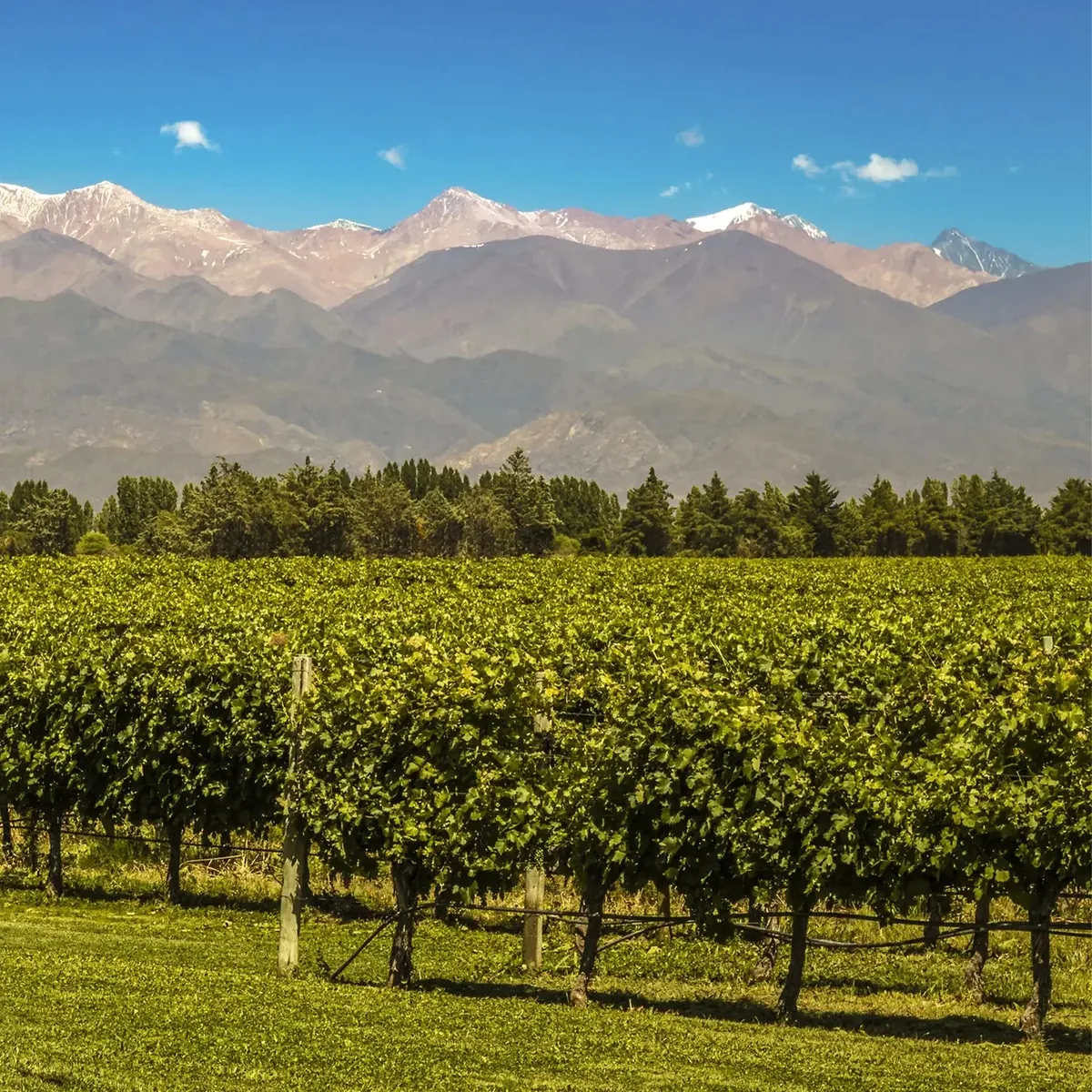
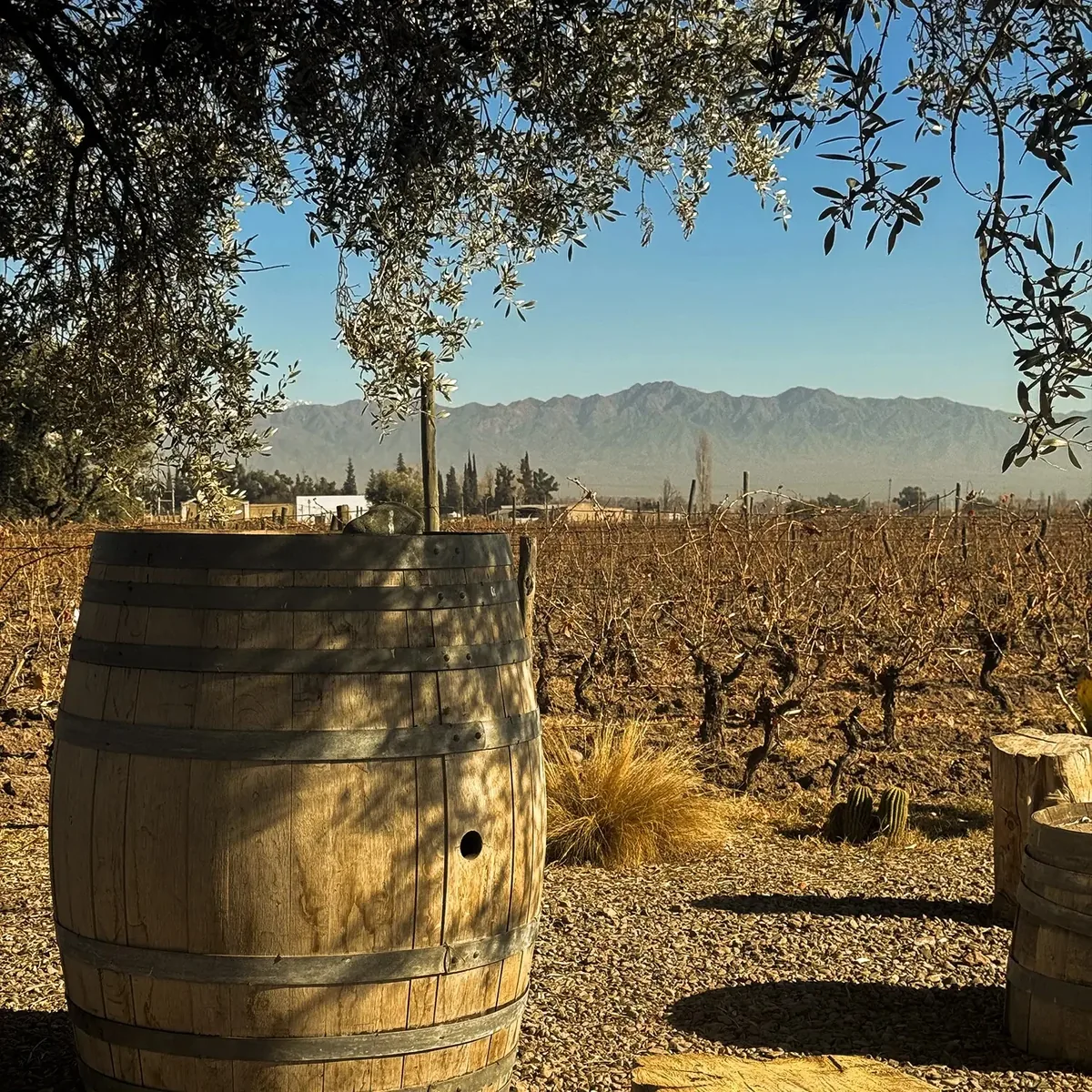
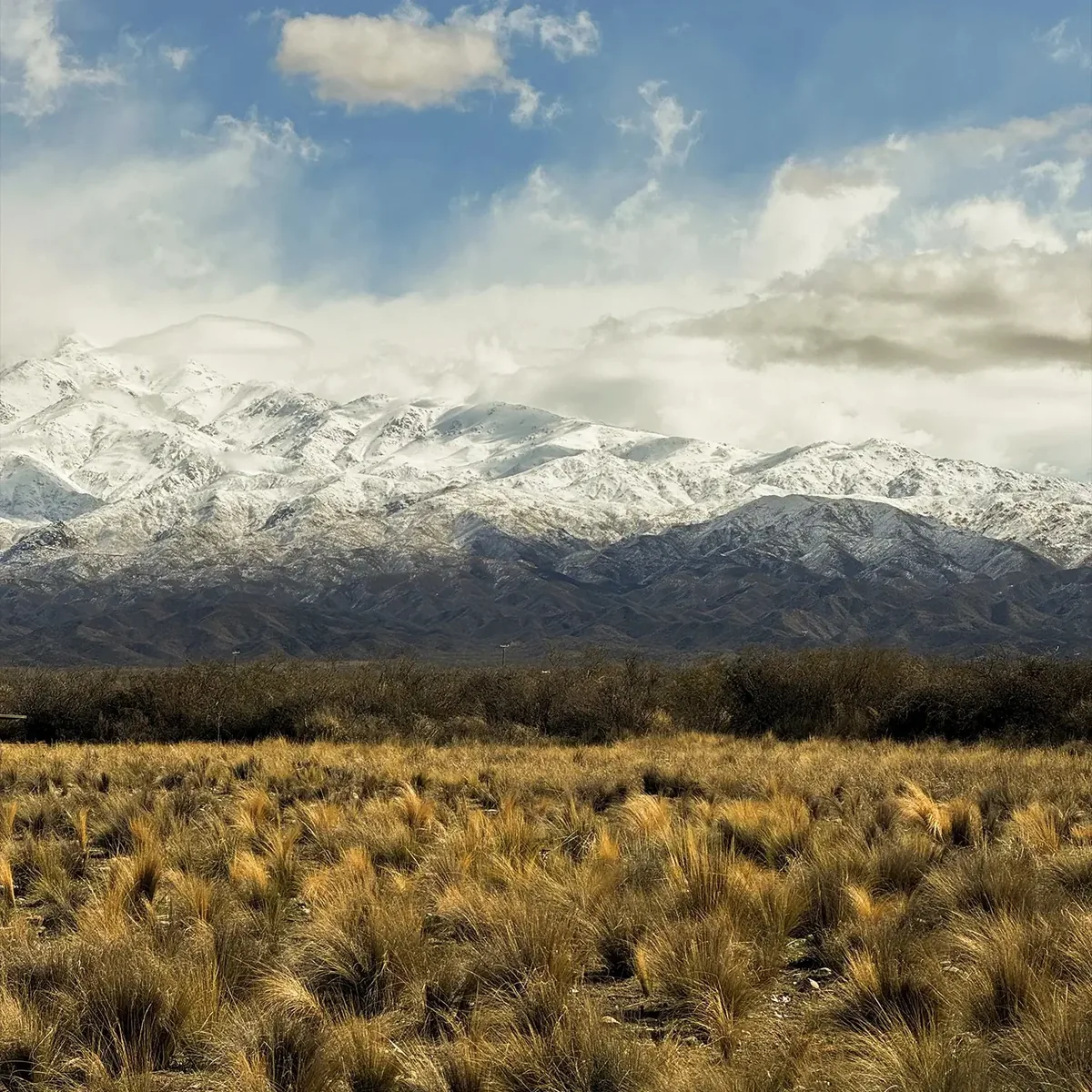

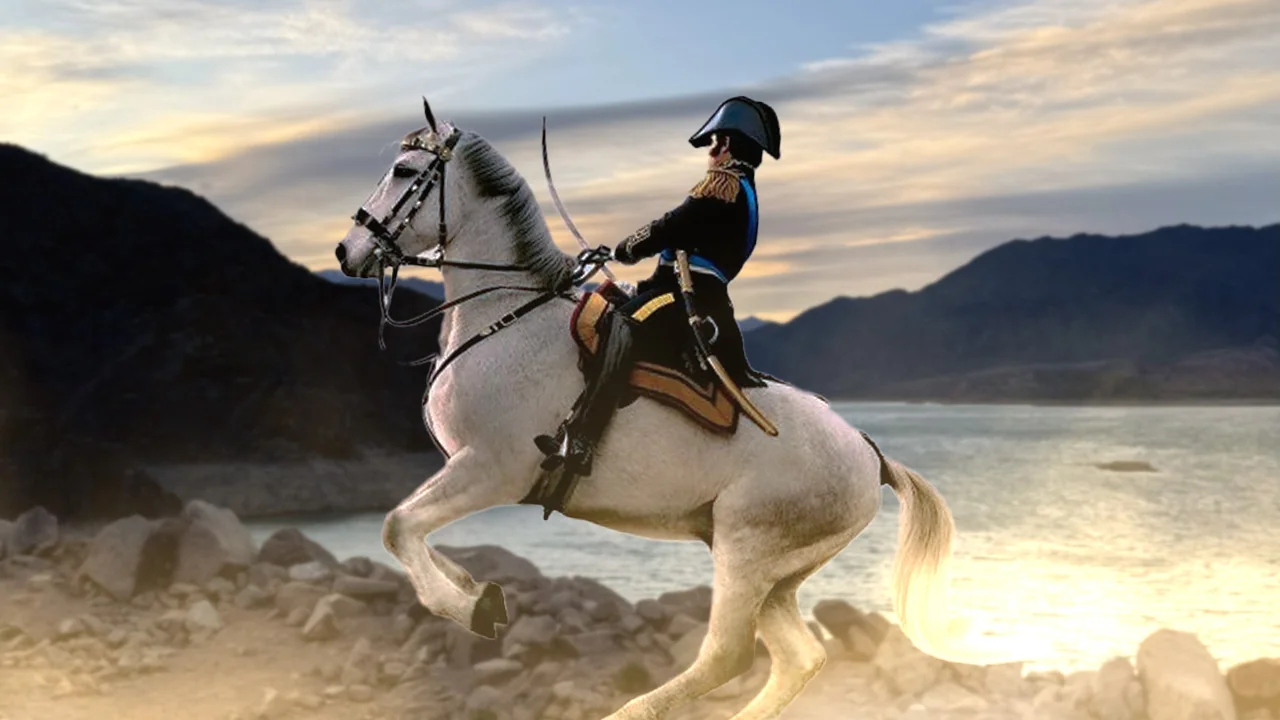
The crossing of the Andes by General San Martín in 1817 is one of the most important military feats in American history. And it all started in Mendoza.
Planning your visit? Discover our private wine tours in Mendoza — or explore our luxury wine tours in Mendoza.
In this guide we'll cover the history of the Crossing of the Andes, the key places in Mendoza where the operation was planned and prepared, and how to visit them today combining history with wine tourism.
Context: 1817 Argentina
In 1817, after declaring independence (1816), the United Provinces of the Río de la Plata faced a strategic problem: the Spanish army controlled the entire Pacific from Peru, Chile and Upper Peru (Bolivia). While Spain controlled Chile, Argentine independence was at permanent risk.
José de San Martín understood something simple: to liberate the Pacific, the Andes had to be crossed and Chile attacked by surprise. That idea, which seemed impossible, became one of the most impressive military operations in history.
Mendoza: the operation base
San Martín chose Mendoza as base for several strategic reasons:
- Proximity to cordilleran passes to Chile
- Natural resources (wood, water, food)
- Population loyal to the independence cause
- Safe distance from Royalist focuses
For 3 years (1814–1817), San Martín lived in Mendoza as governor of Cuyo and dedicated himself to preparing the Army of the Andes.
Historic places in Mendoza
Plaza Independencia
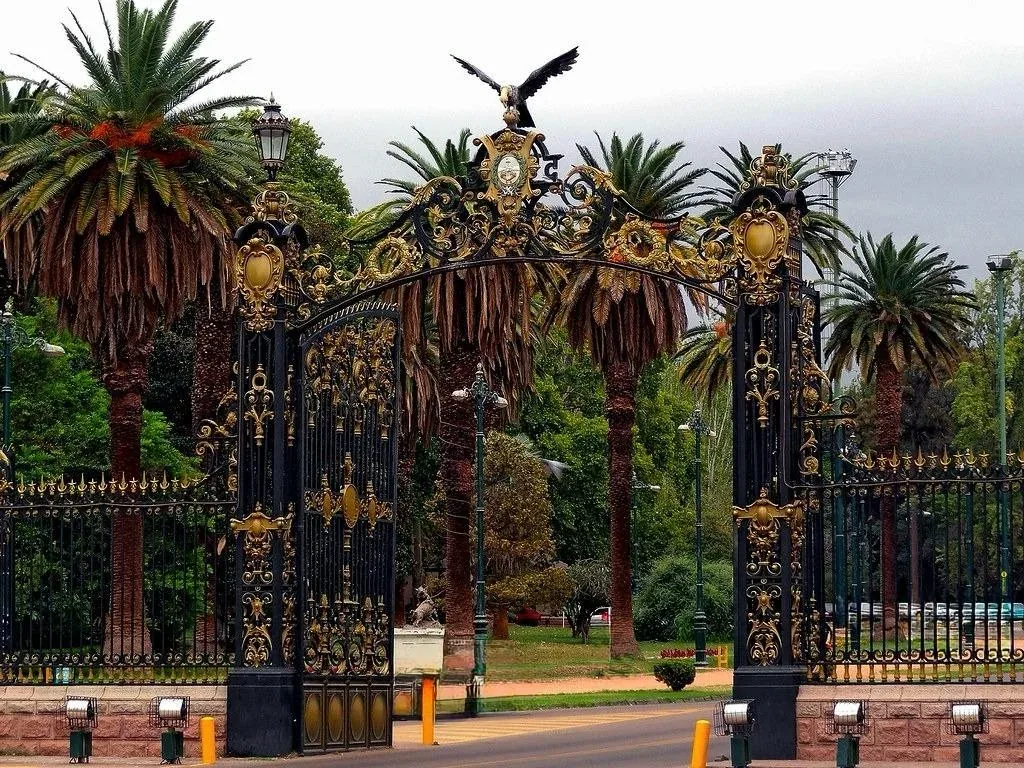
Mendoza's historic center. Here San Martín blessed the flag of the Army of the Andes on January 5, 1817, three days before initiating the crossing. The plaza is a mandatory stop on any city tour of Mendoza.
Cerro de la Gloria and Monument to the Army of the Andes
Built in 1914 by sculptor Juan Manuel Ferrari, it's the most impressive monument in Mendoza. Crowning Cerro de la Gloria in San Martín Park, it commemorates the feat of the Crossing of the Andes with giant bronze figures. Panoramic view of the city and cordillera.
Plumerillo (training camp)
The camp where San Martín trained the Army of the Andes for months. Today it's a historic site with a small but well-curated museum. Located in Las Heras department, 15 minutes from downtown Mendoza.
San Martín's House (Historical Museum)
The house where San Martín lived with his wife Remedios de Escalada and daughter Mercedes. Today it operates as a museum with personal objects, original maps and period documents. Located on San Martín and Corrientes (downtown Mendoza).
The crossing: the six paths to Chile
San Martín didn't use a single path to cross the cordillera. To confuse the enemy and mobilize the entire army (5,000 soldiers), he used six cordilleran passes simultaneously. The main ones were:
- Patos Pass (San Juan): the most important. San Martín crossed here with the main column.
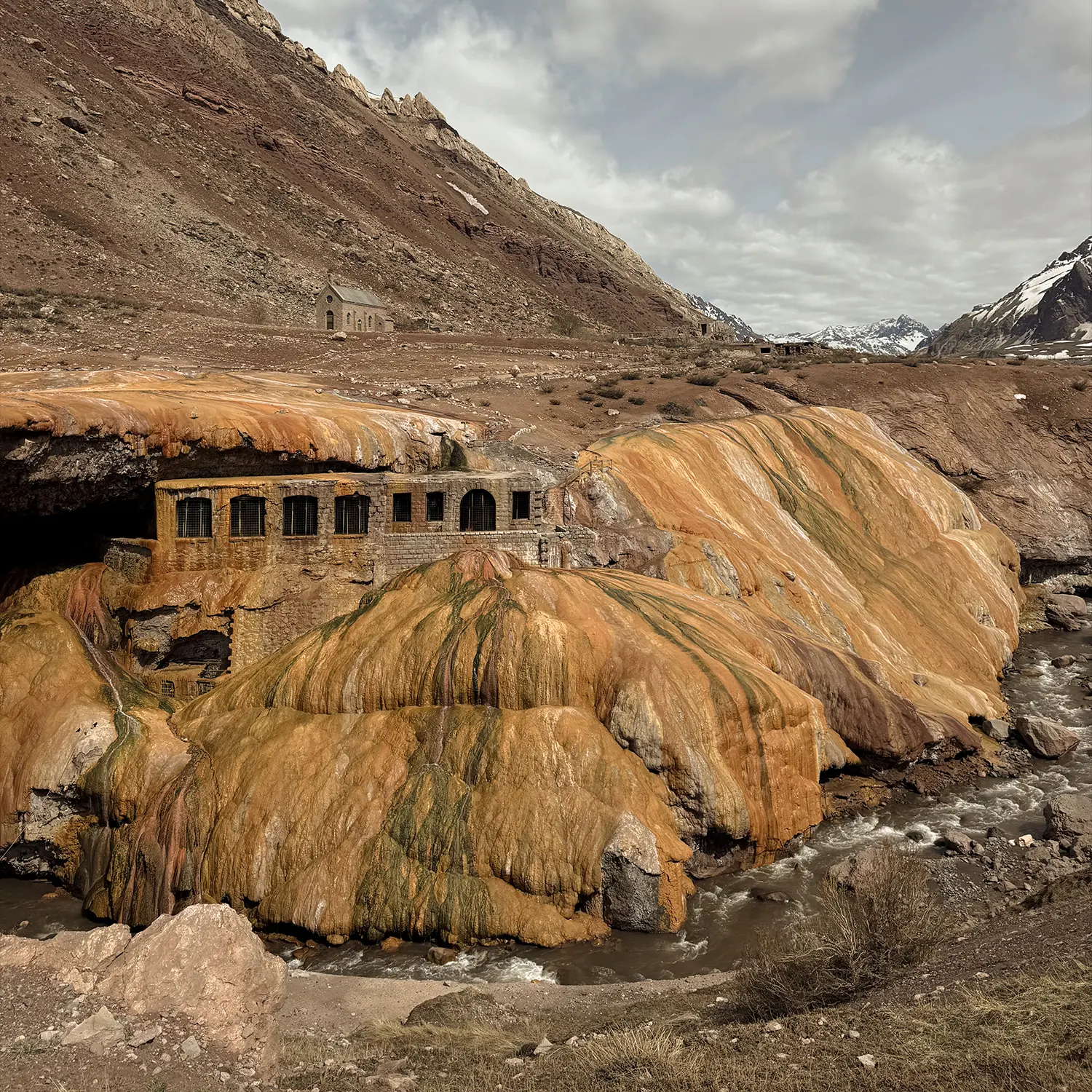
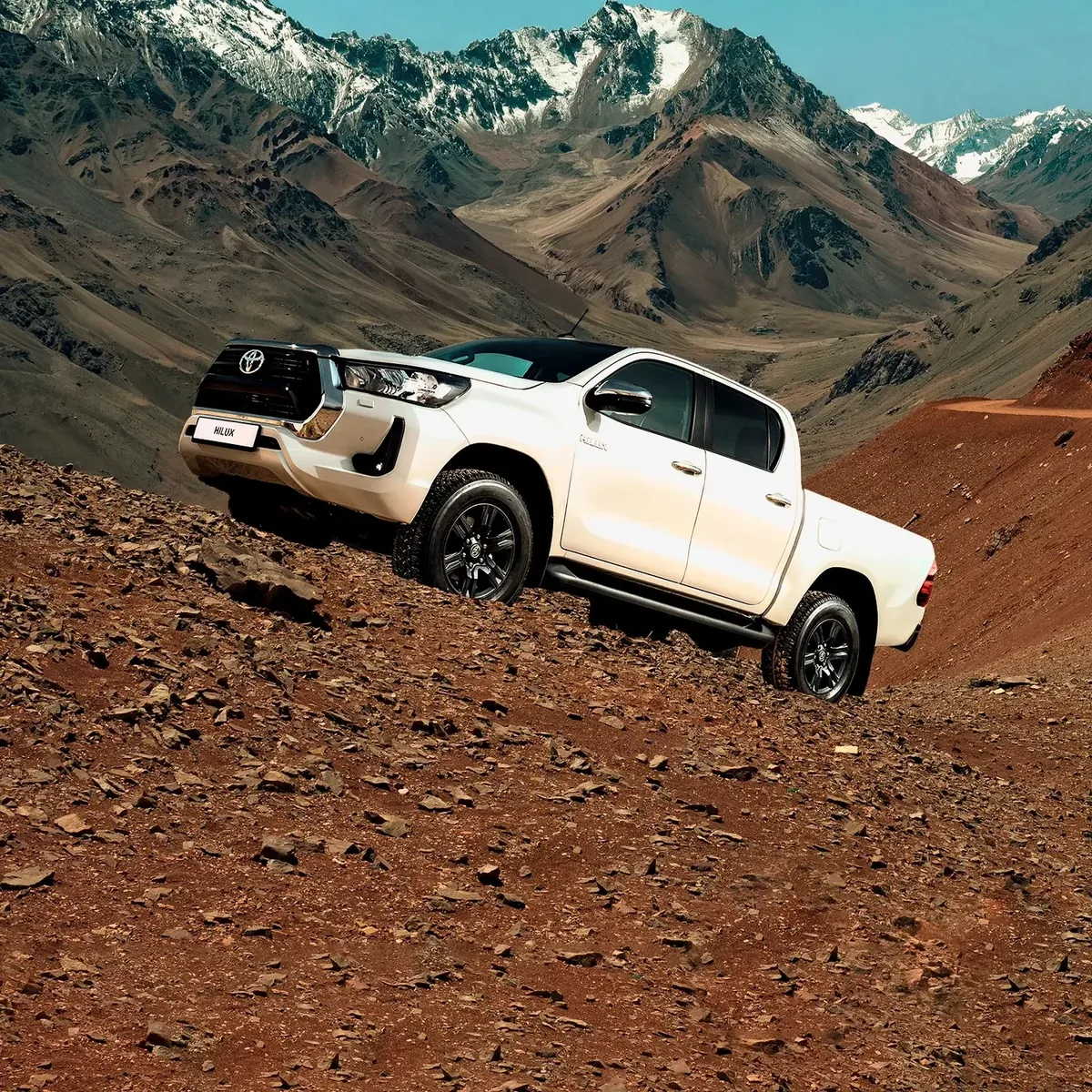
- Uspallata Pass (Mendoza): the column of O'Higgins and Las Heras. Today it's National Route 7 covered on the High Mountain tour.
- Come Caballos Pass (La Rioja): distraction operations.
- Guana Pass (San Juan): distraction operations.
- Portillo Pass (Mendoza): distraction operations.
- Planchón Pass (Mendoza): distraction operations.
Covering the crossing route today
The Uspallata pass, used by O'Higgins and Las Heras's column, coincides with the current National Route 7. This is the traditional Argentina-Chile crossing route, and can be covered on the High Mountain tour. Historic stops are:
- Uspallata: town where the army made its intermediate base.
- Las Cuevas: border pass, where the old Cristo Redentor of the Andes was.
- Cristo Redentor: monument to peace between Argentina and Chile, built with bronze from cannons of San Martín's era.
The Army of the Andes in numbers
- 5,423 soldiers (mounted grenadiers, infantry, artillery)
- 9,281 pack mules
- 1,600 horses
- 700 cattle for food
- 23 days the cordillera crossing lasted
- Altitudes exceeding 4,000 meters above sea level
The battles that defined Chile and Peru
- Battle of Chacabuco (February 12, 1817): patriot victory that liberated Chile.
- Battle of Maipú (April 5, 1818): consolidation of Chilean independence.
- Liberation of Peru (1820–1821): liberating expedition culminating in Lima.
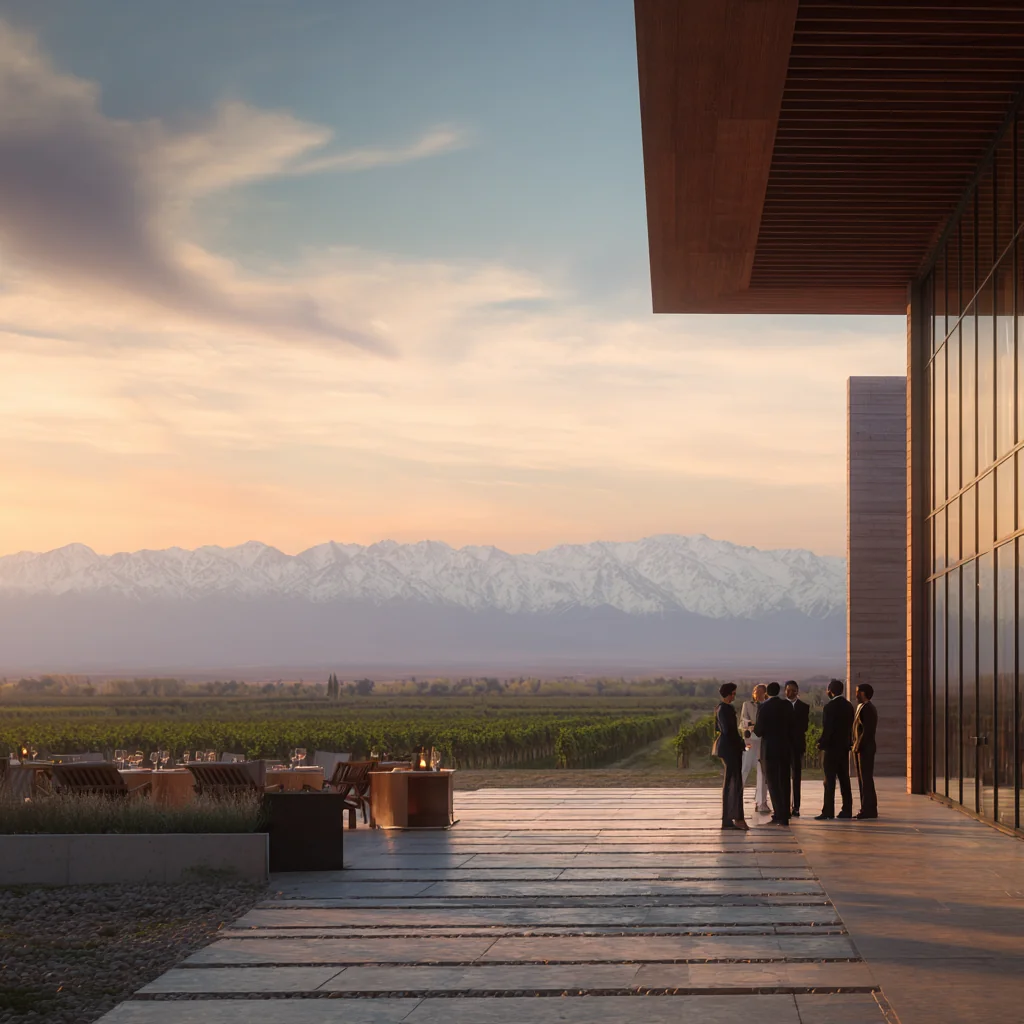
Mendoza's "Maipú," where today there are wineries, received that name in honor of the battle. If you want to tour Maipú's historic wineries, you have all details on the Maipú winery tour page.
Combining history with wine tourism
A proposal we recommend for travelers interested in history:
- Day 1: City tour of Mendoza (Plaza Independencia, Cerro de la Gloria, San Martín's House, Foundational Area Museum).
- Day 2: High Mountain tour covering Route 7 (the crossing route of O'Higgins and Las Heras).
- Day 3: Maipú winery tour (the zone that received the name of the decisive battle).
Related places in Argentina
If you're interested in deepening San Martín history, after Mendoza you can visit:
- Buenos Aires: National Historical Museum, mausoleum in the Cathedral.
- Yapeyú (Corrientes): San Martín's hometown.
- San Lorenzo (Santa Fe): convent where he fought his first battle.
Frequently asked questions
How much time is needed to know the historic places?
One day is enough for Plaza Independencia, Cerro de la Gloria, San Martín's House and Foundational Area Museum. Another day for the Plumerillo camp and Route 7 (High Mountain).
Are there specialized historic tours?
Yes. Discovery Wine Mendoza can build a city tour with historical focus, with guide specialized in Argentine and San Martín history.
Is it interesting for kids?
Yes, especially Cerro de la Gloria for its monument and views. For older kids (8+), the crossing history is fascinating.
If you want to organize a trip combining San Martín history with Mendoza wine tourism, contact us via WhatsApp. We build custom thematic itineraries.
More questions? Check our FAQ with 25 common questions about tours, prices, logistics, and Alta Montaña.
High Mountain Tour: history and nature
Historic routes · Unique landscapes · Expert guide